Reforestation Species of the Isthmian-Atlantic Slope — Rancho Garza
Illustrated Tree Compendium
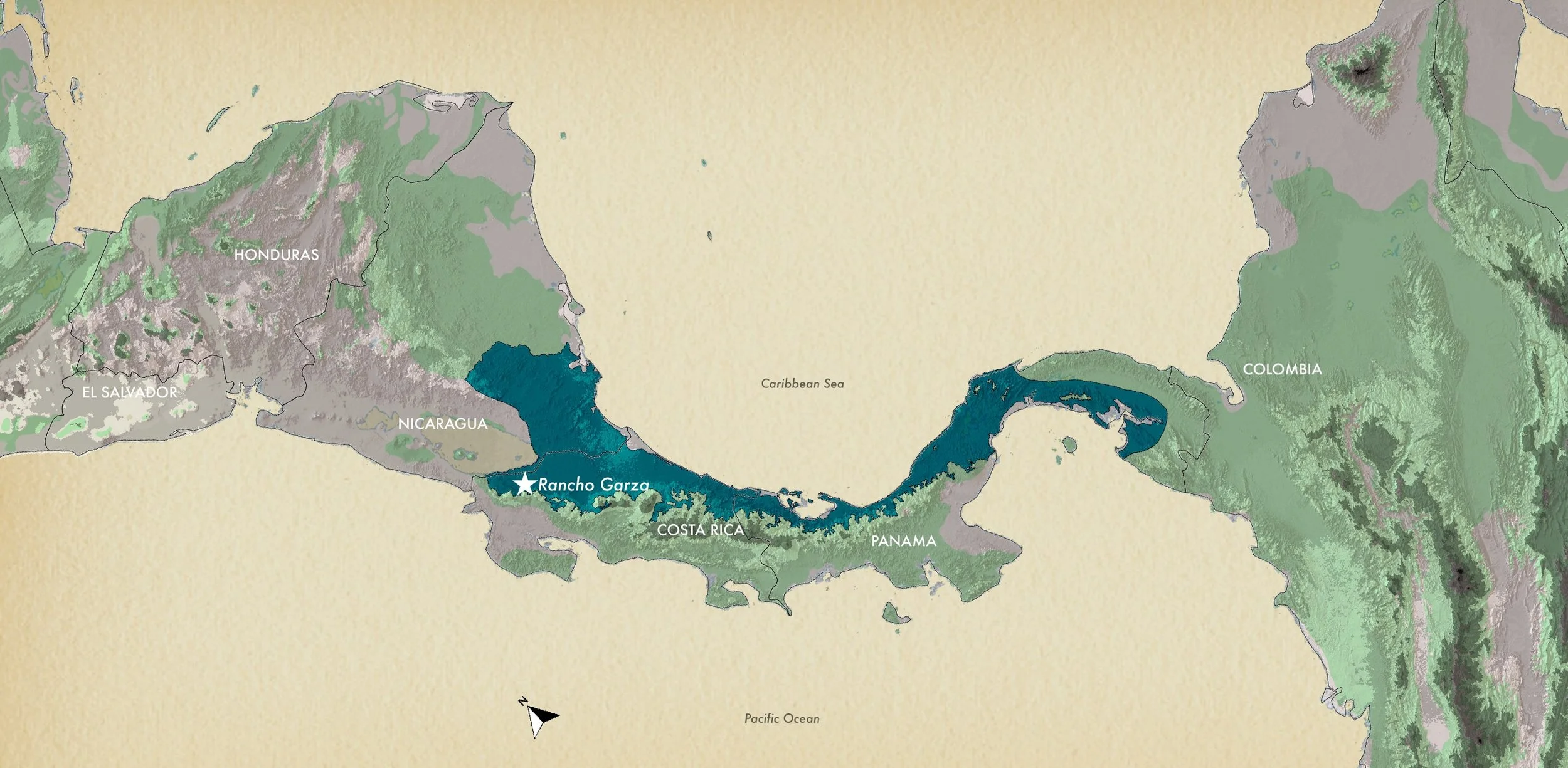
Isthmian-Atlantic Moist Forests Ecoregion
Tropical & Subtropical Moist Broadleaf Forests Biome
About This Compendium
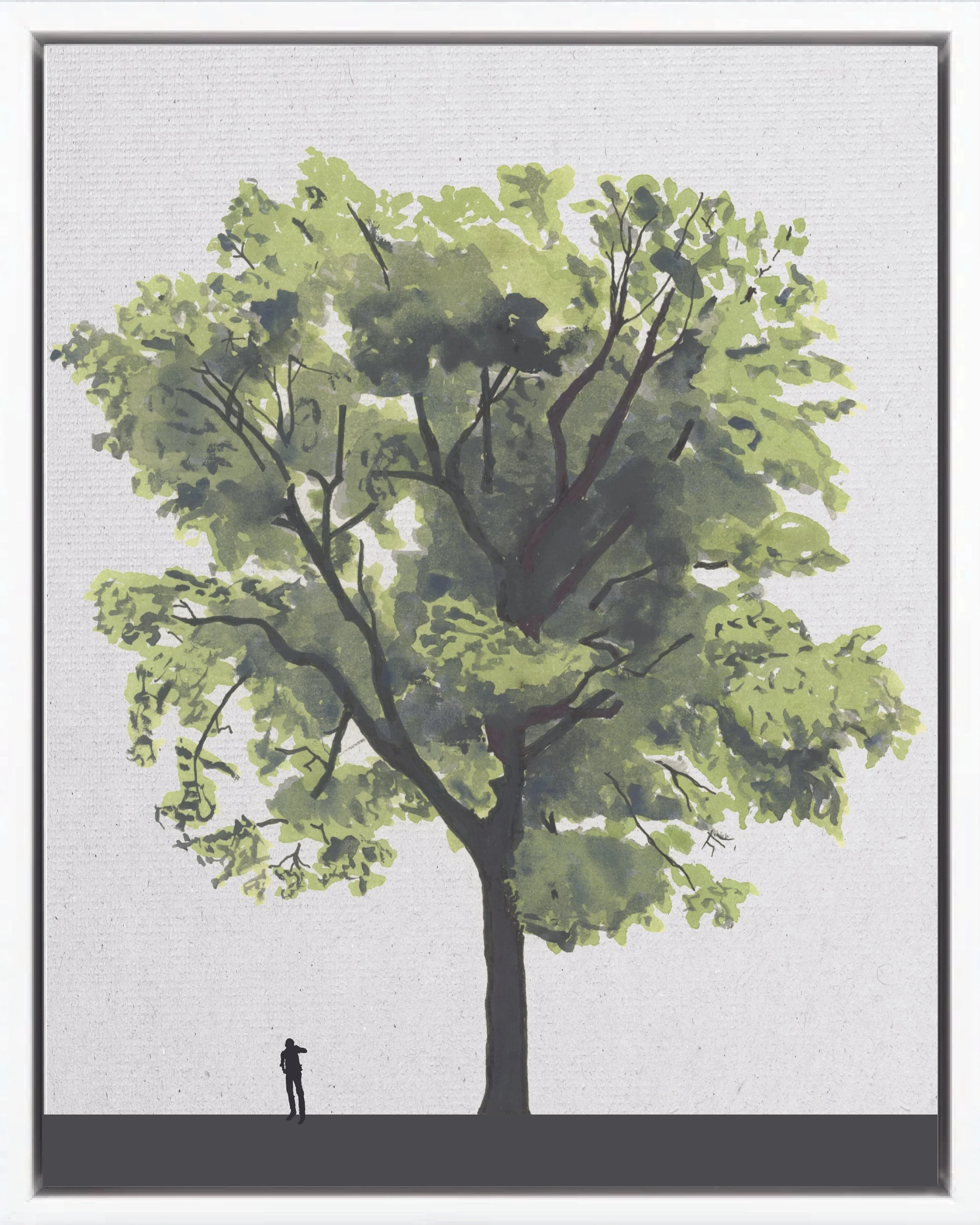
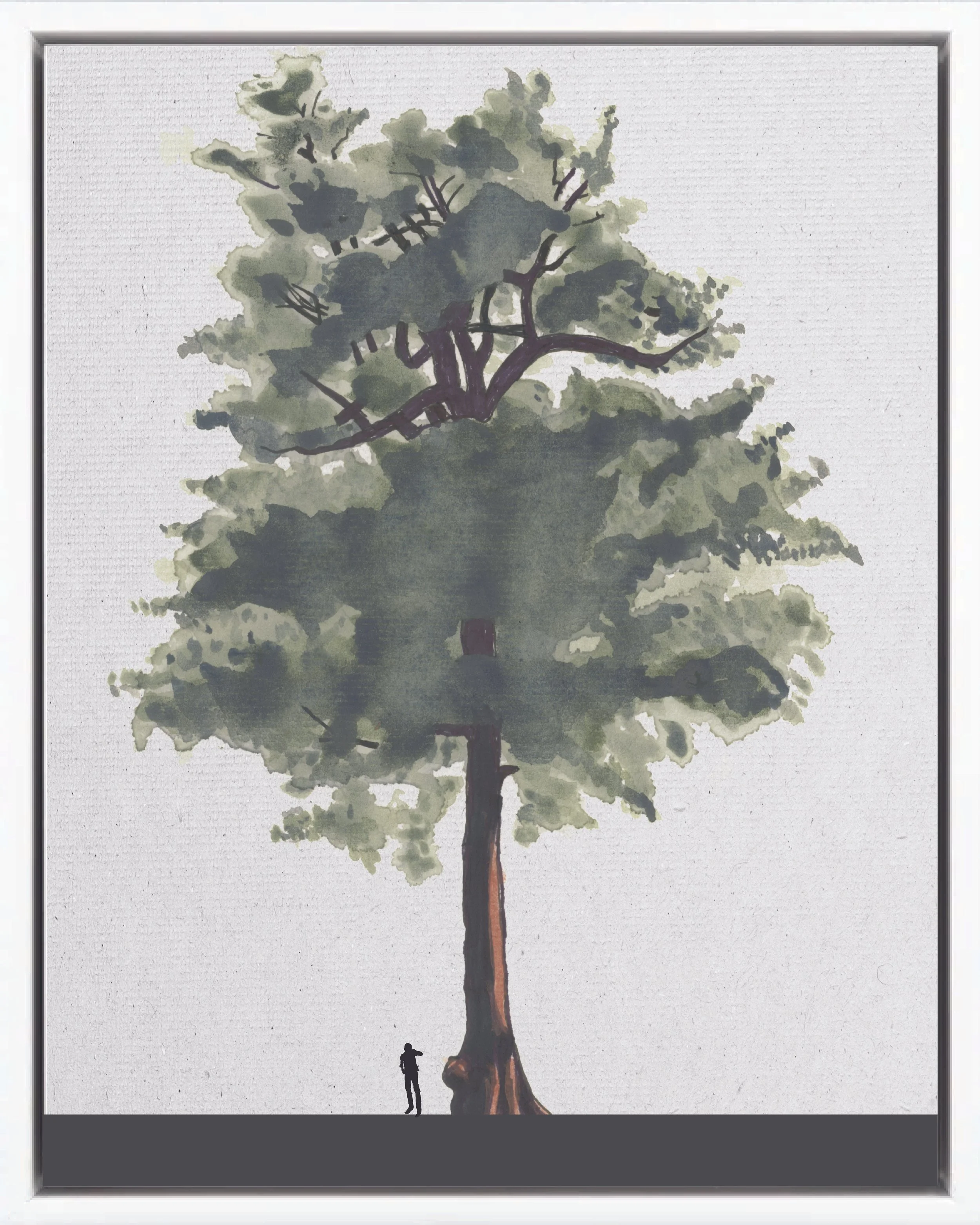
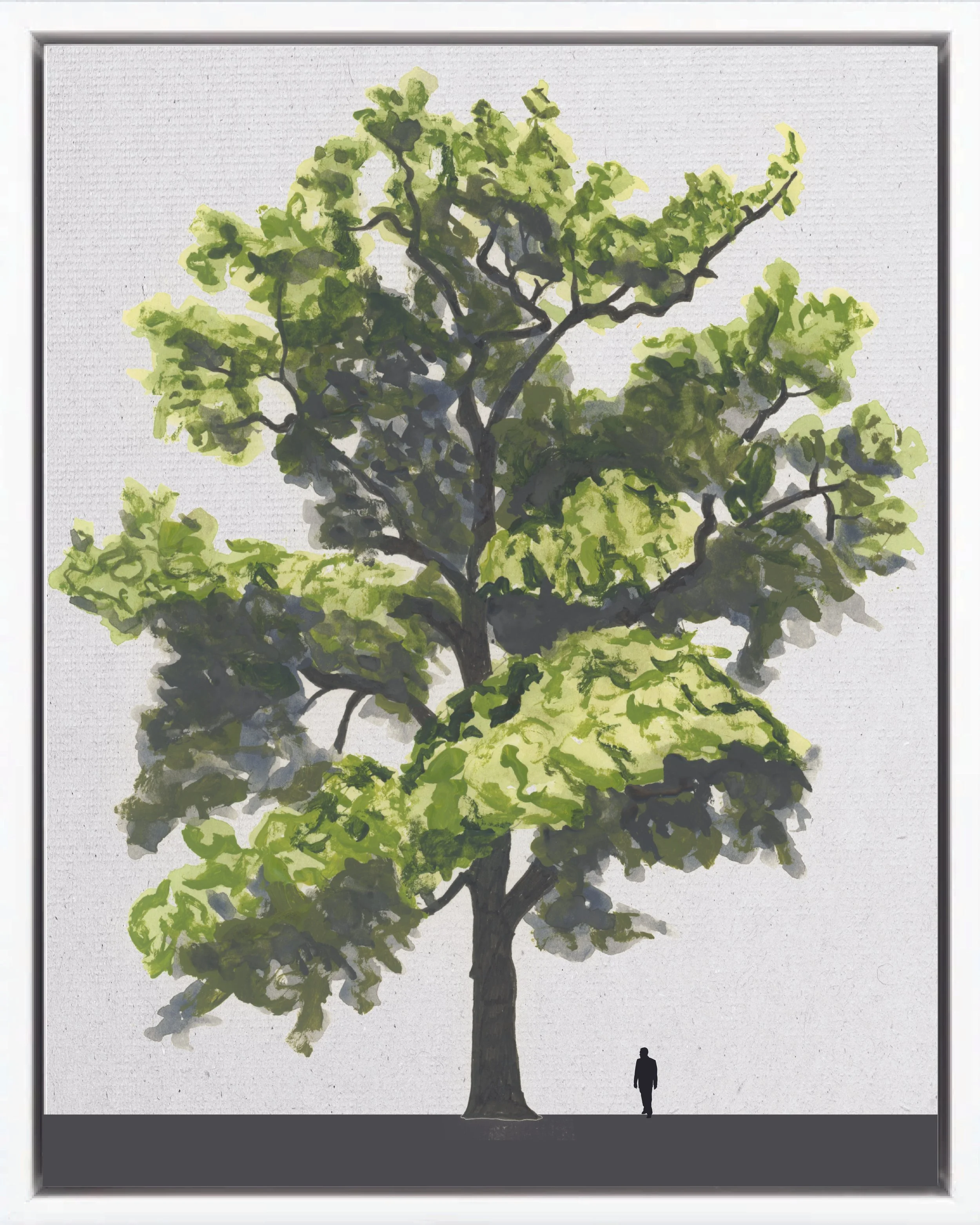
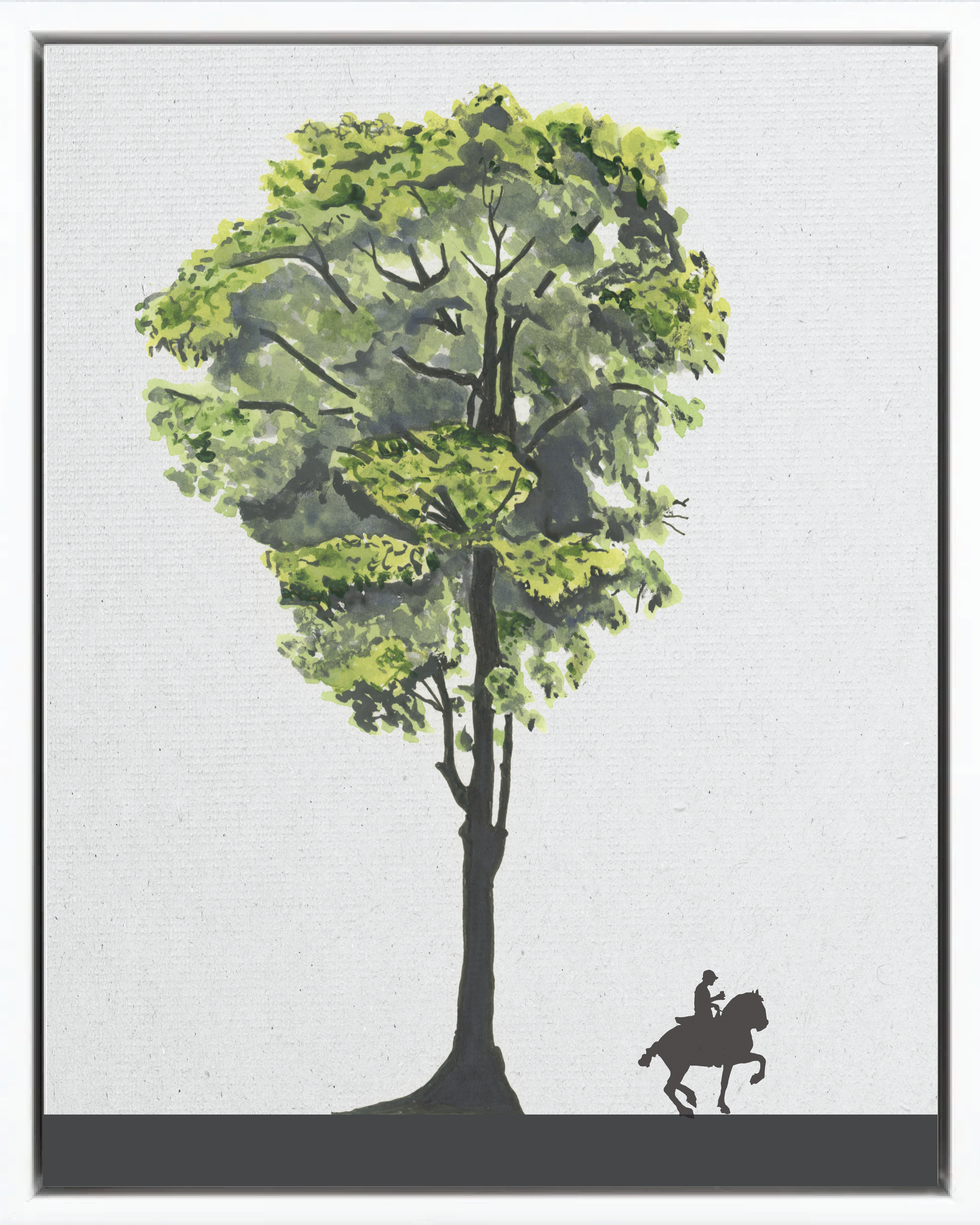
This compendium documents the tree species we have drawn upon in reforesting Rancho Garza, on the Caribbean-facing slope of the Rincón de la Vieja volcano in Costa Rica's Zona Norte. The site lies within the Isthmian-Atlantic Moist Forests ecoregion and the broader Tropical Moist Broadleaf Forest biome, and it is our hope that the species here hold value for reforestation across this wider region.
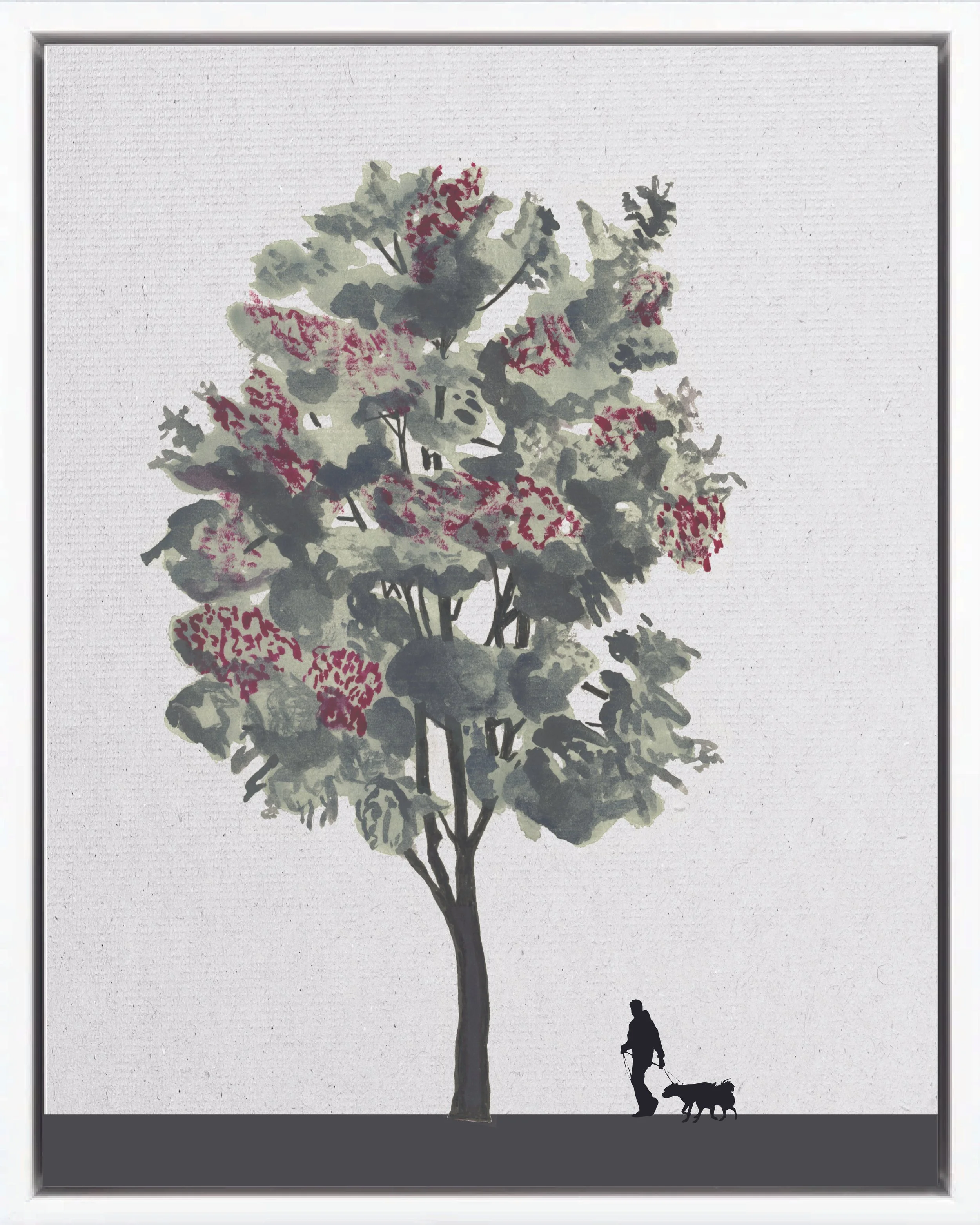
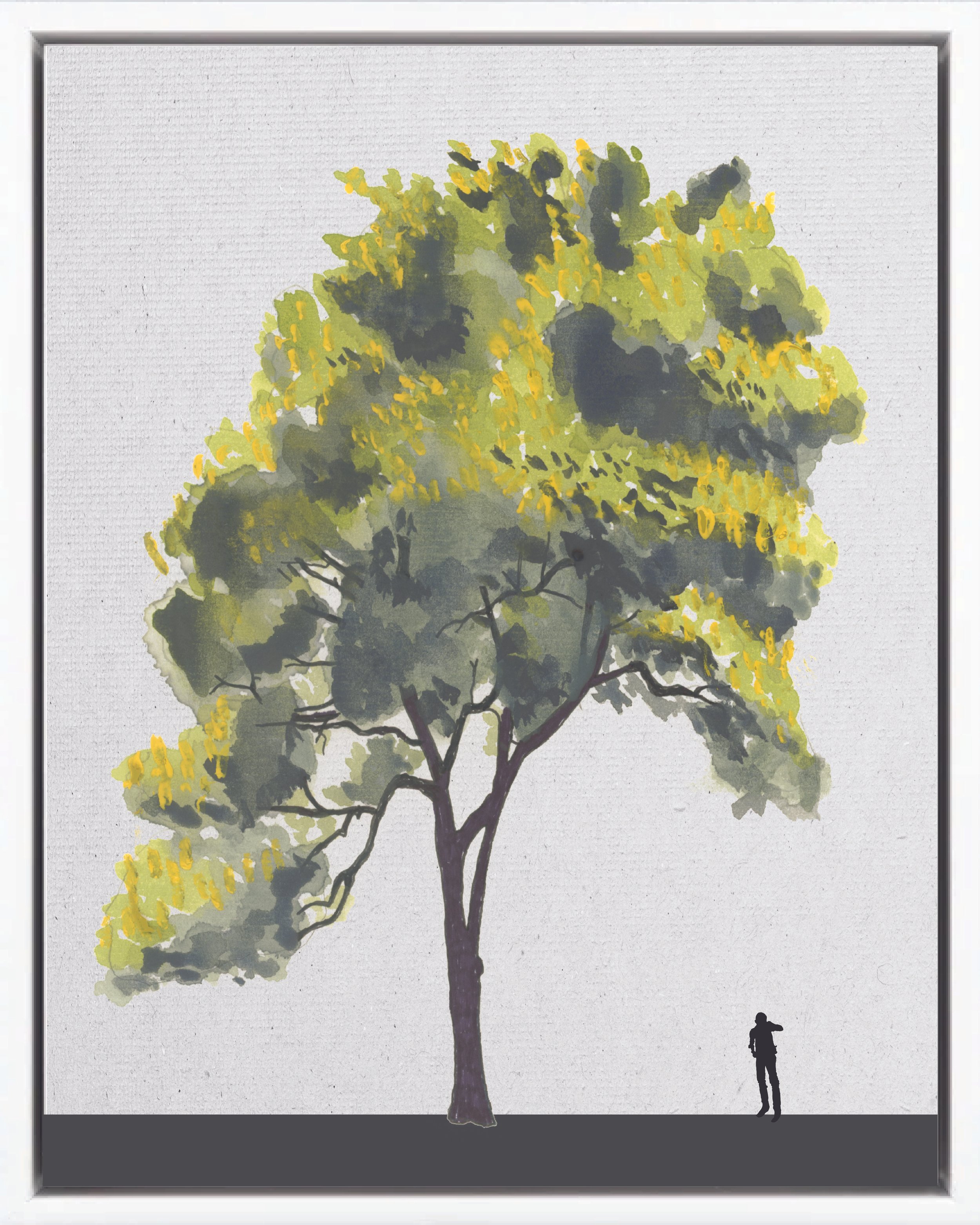
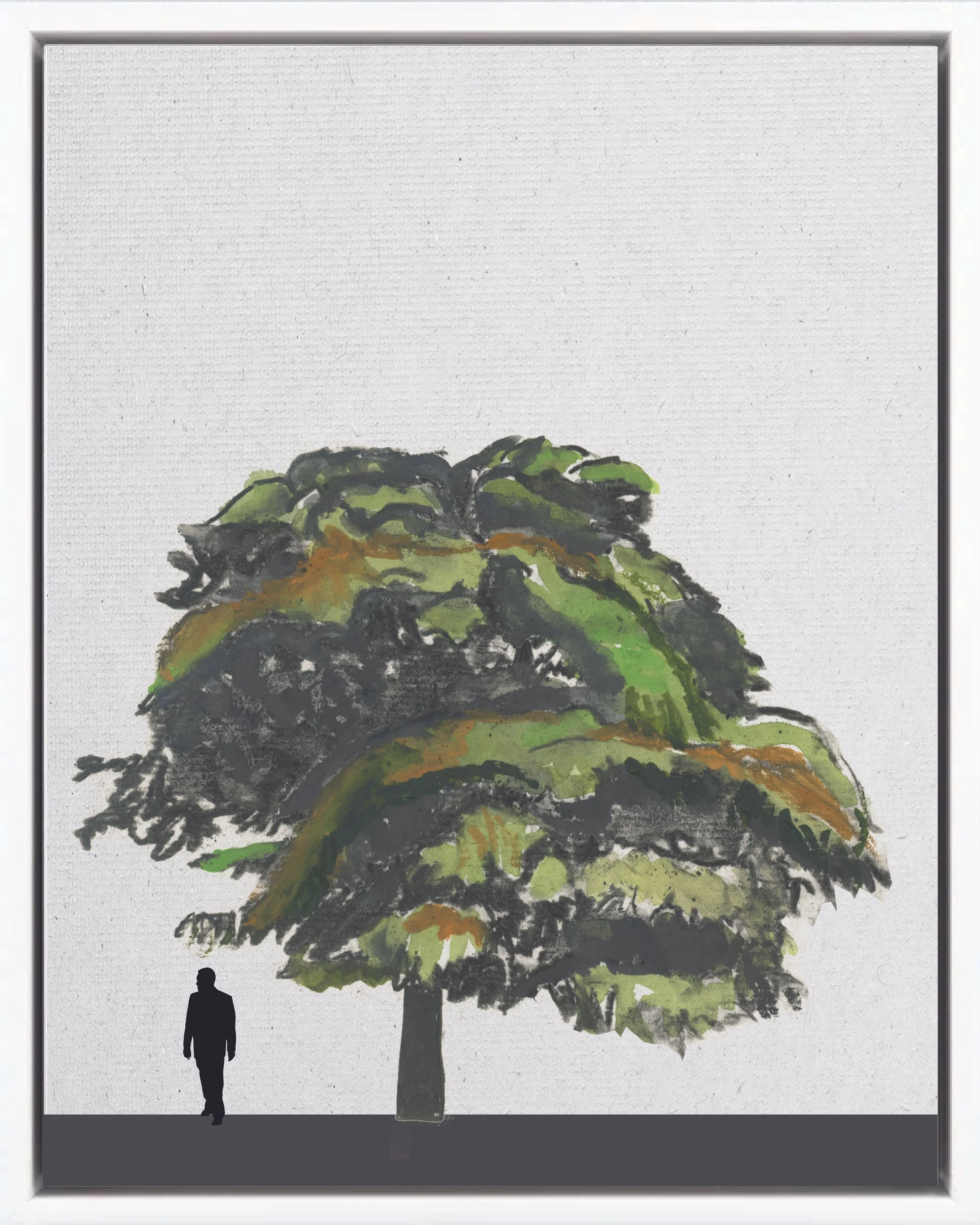
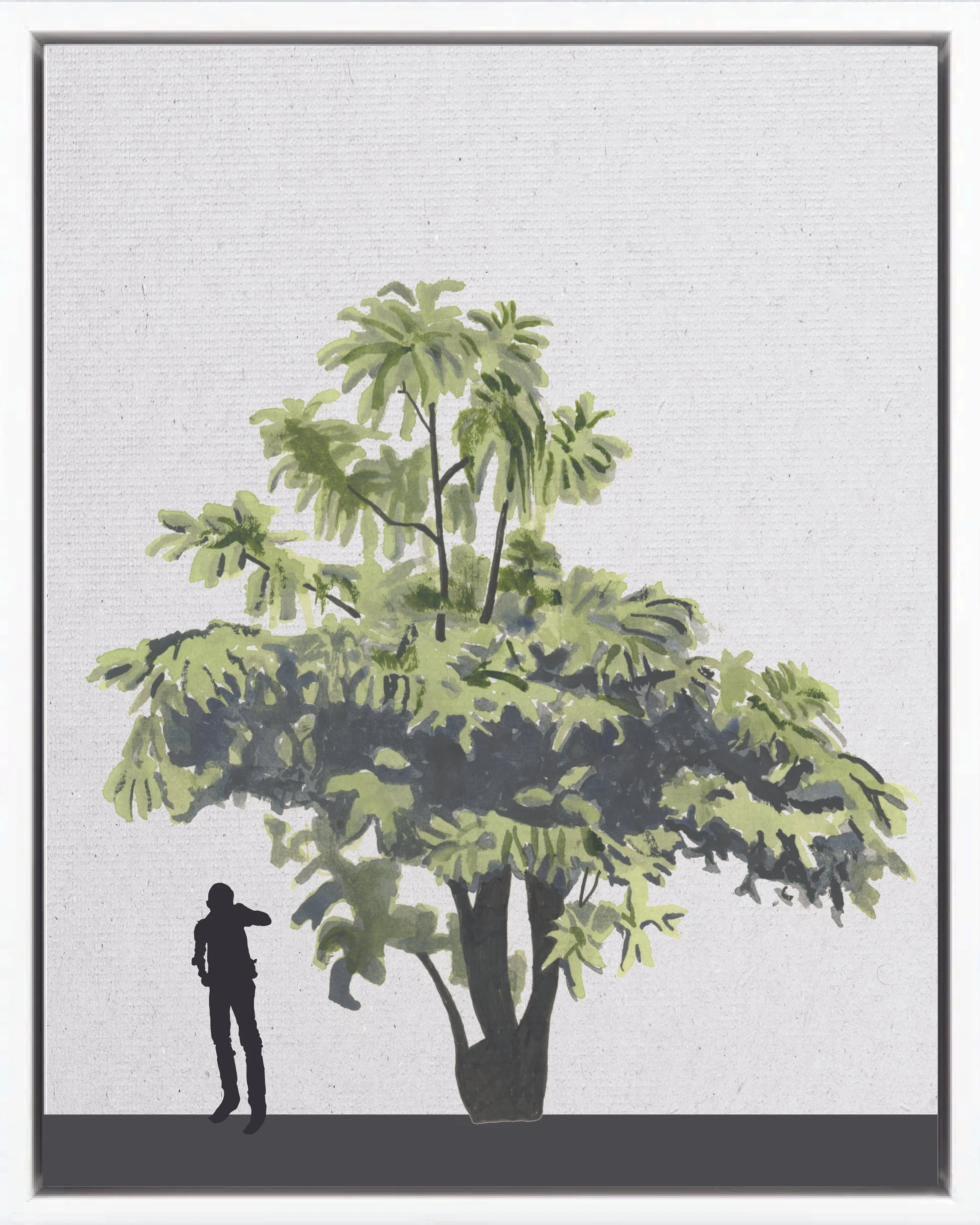
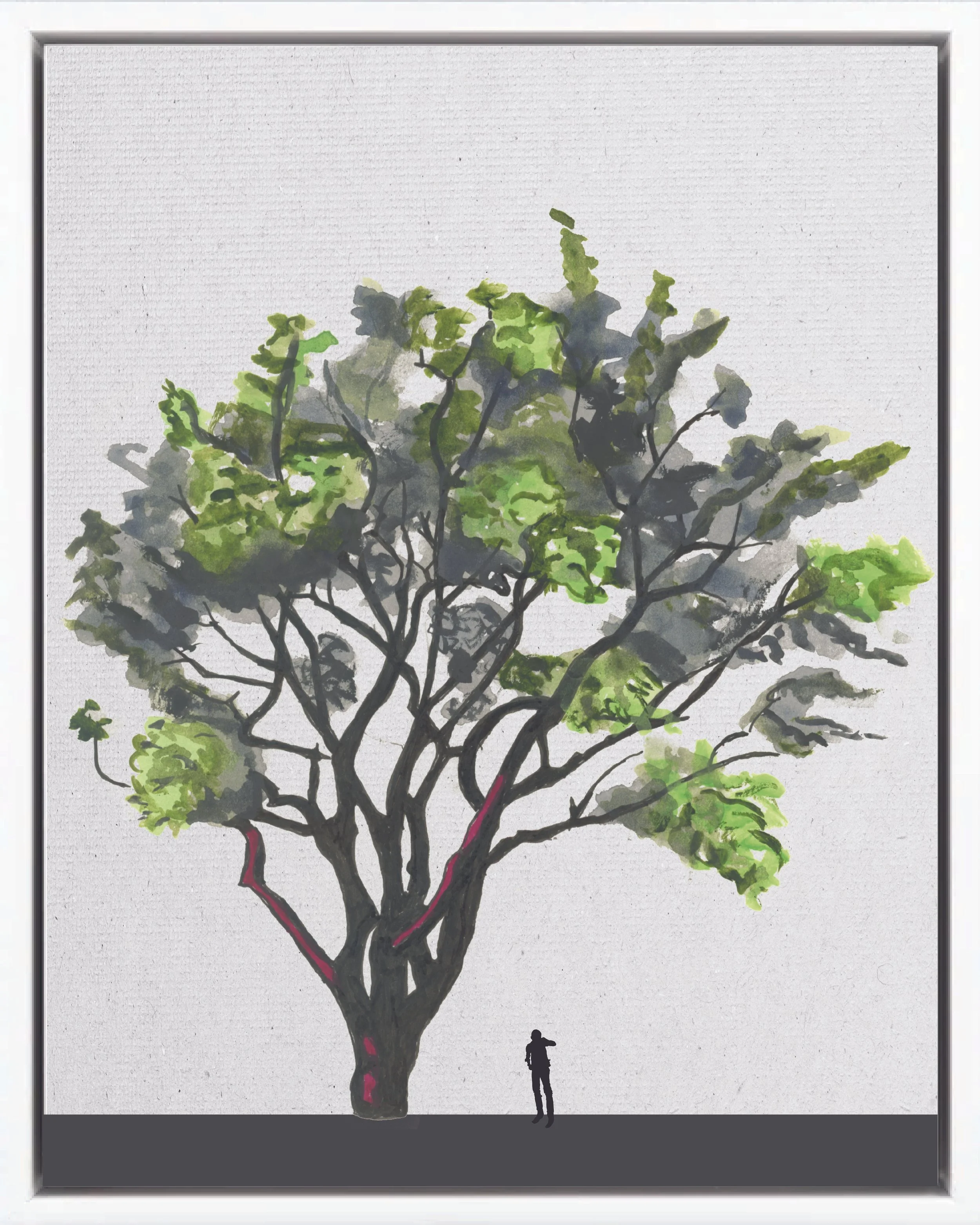
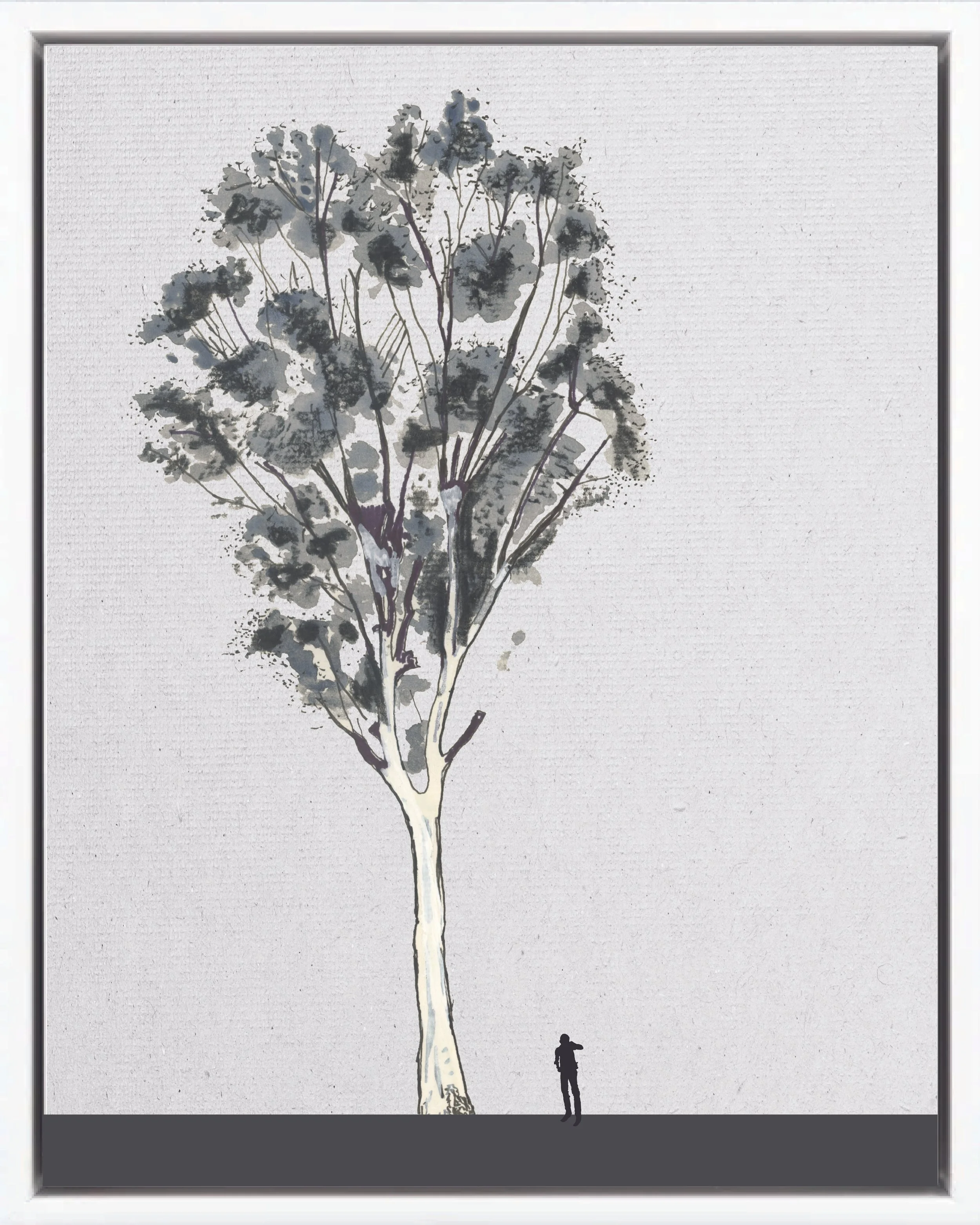
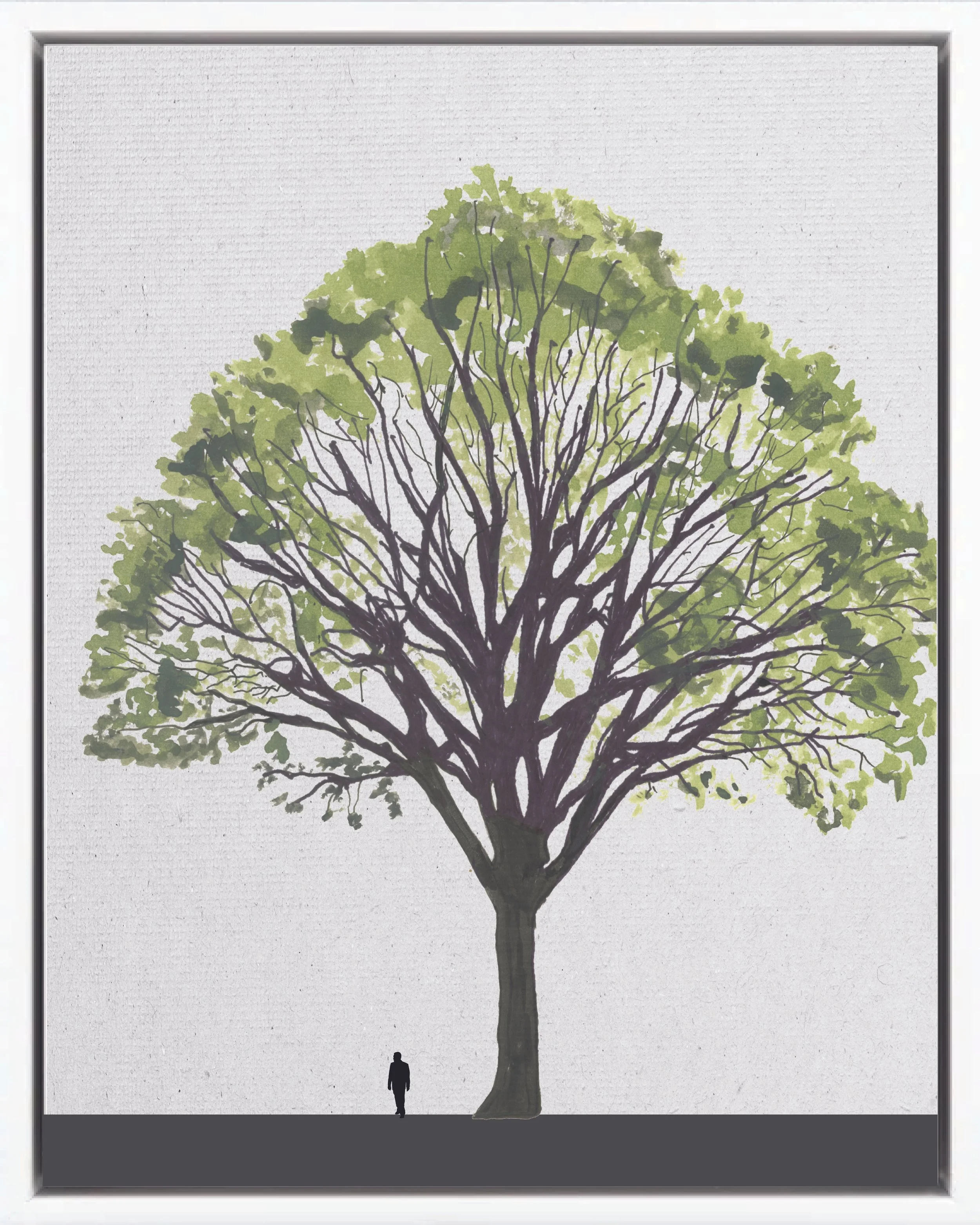
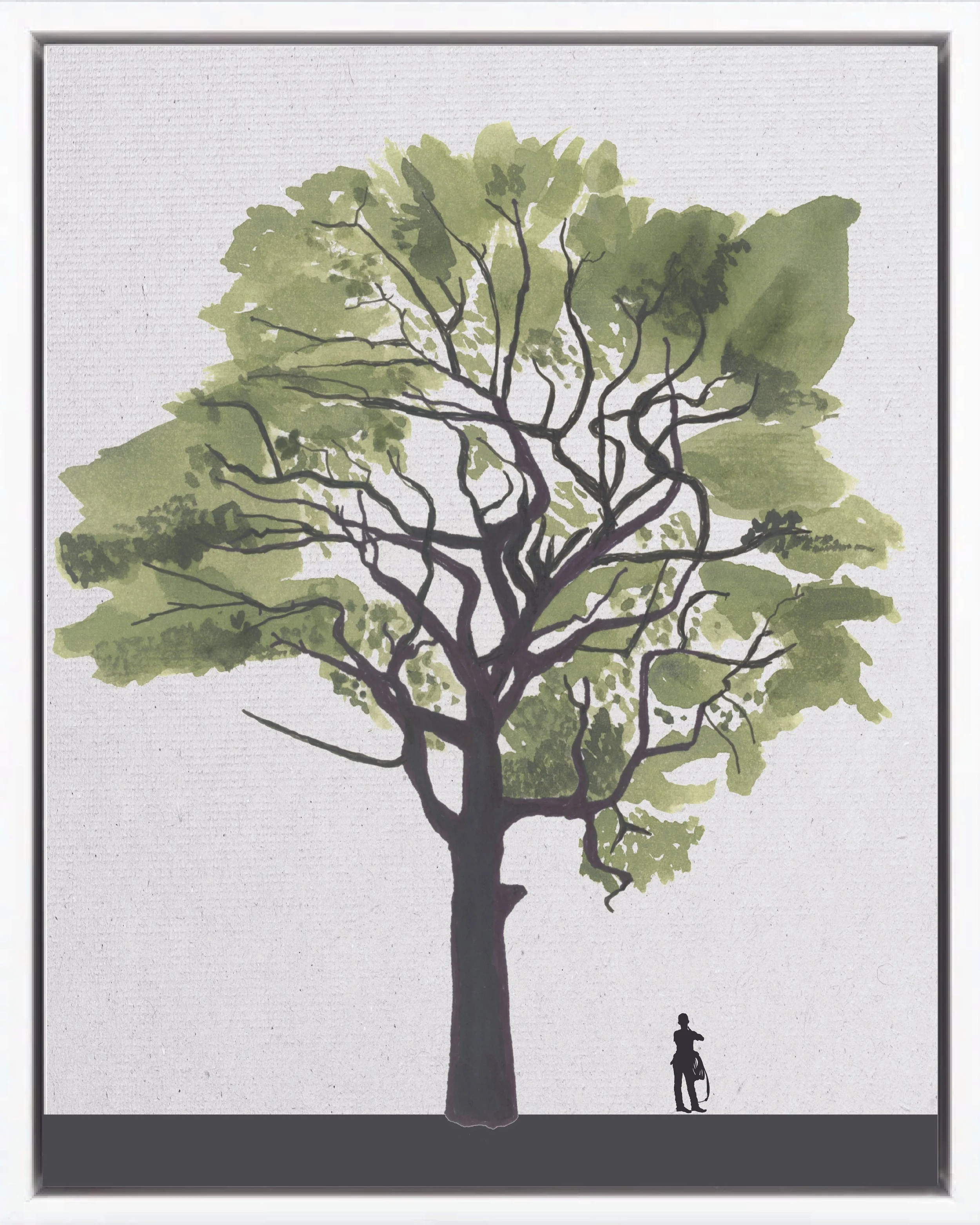
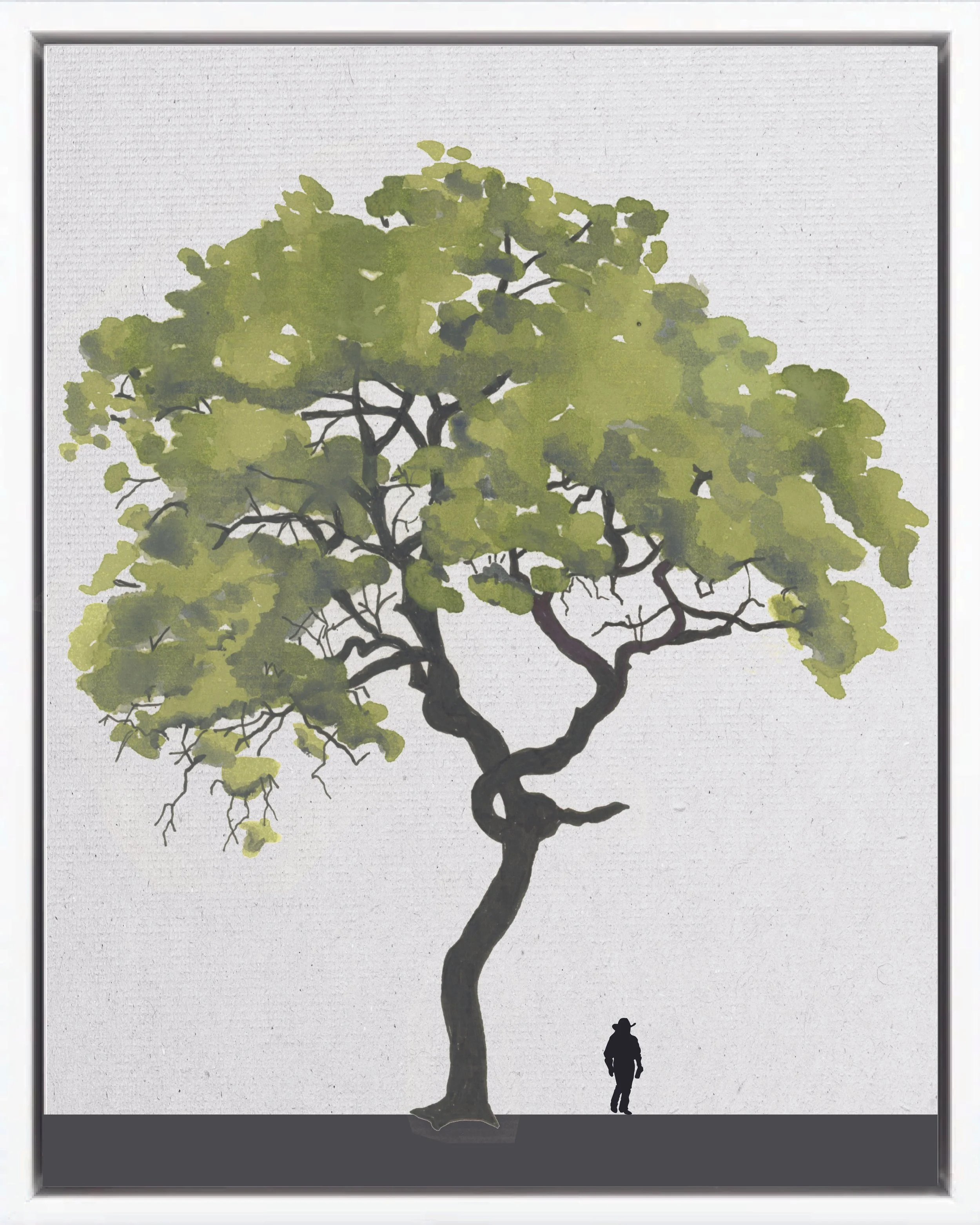
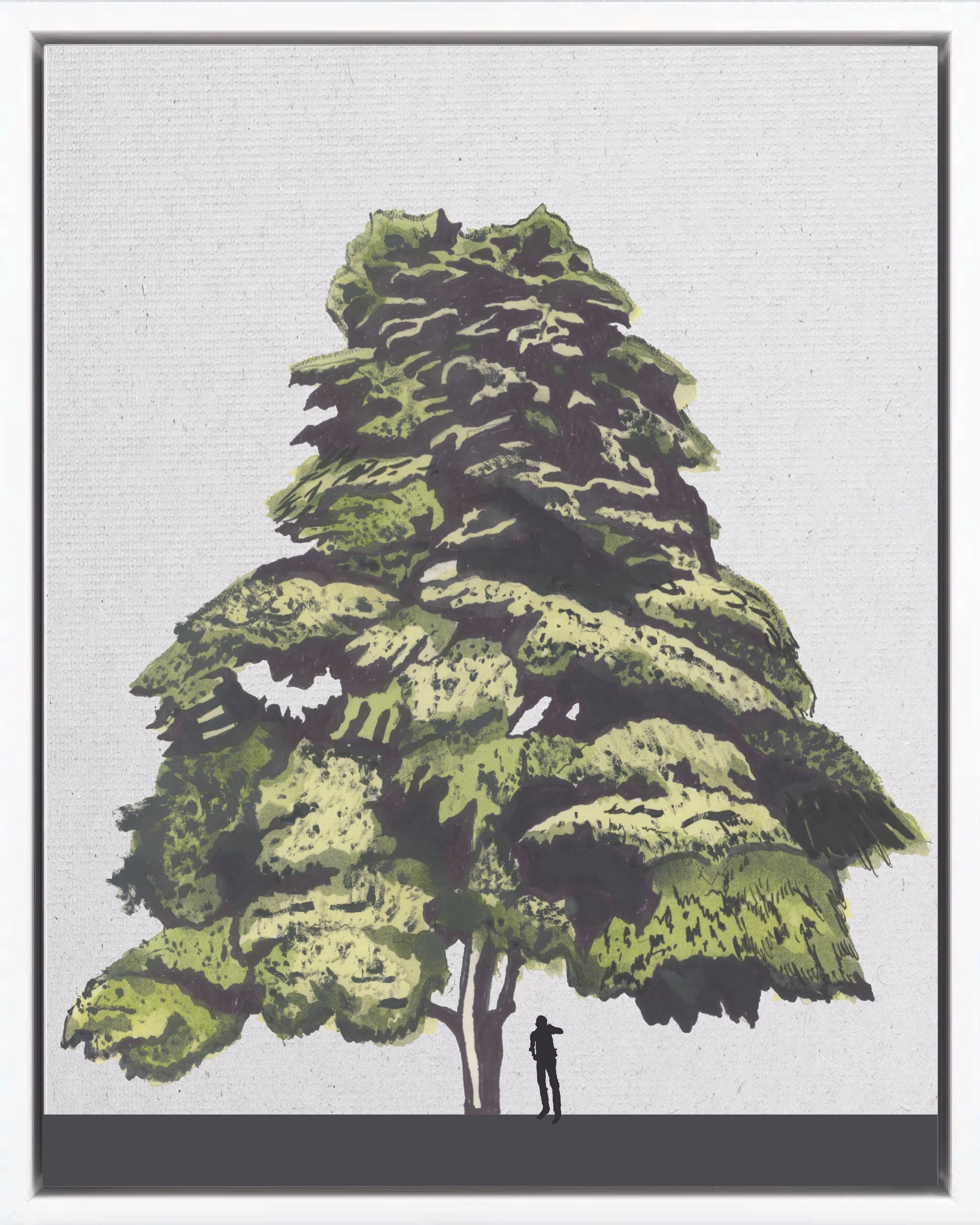
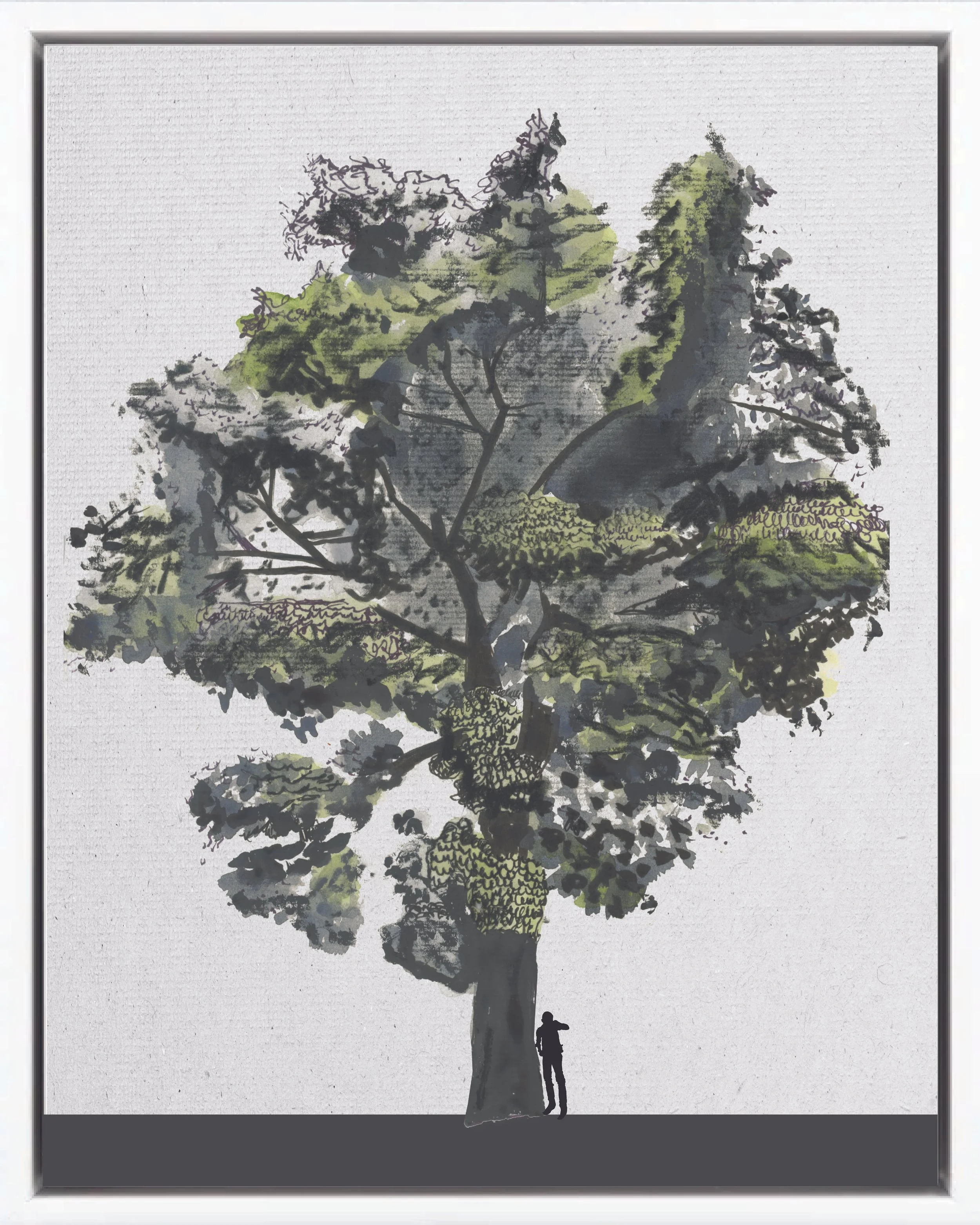
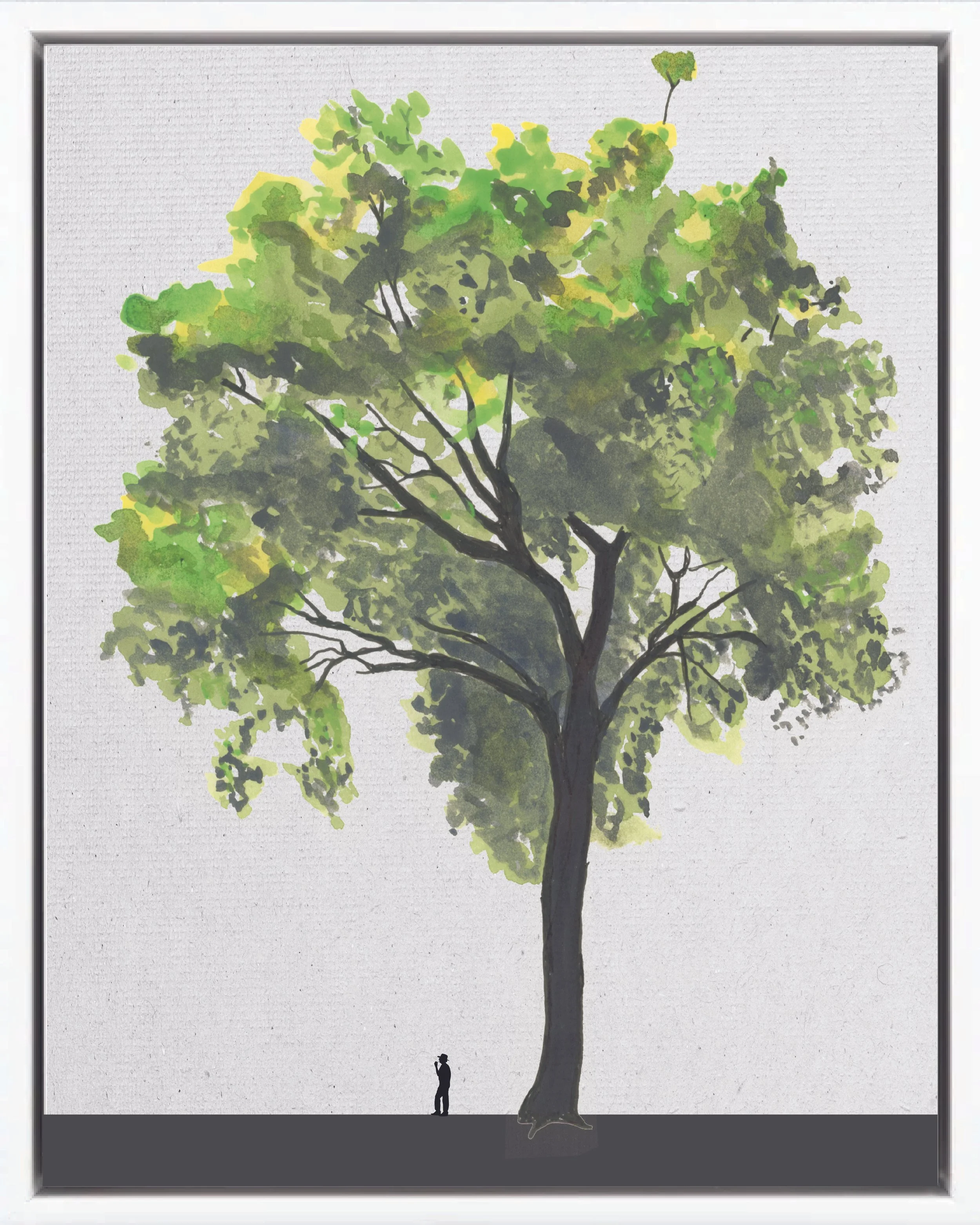
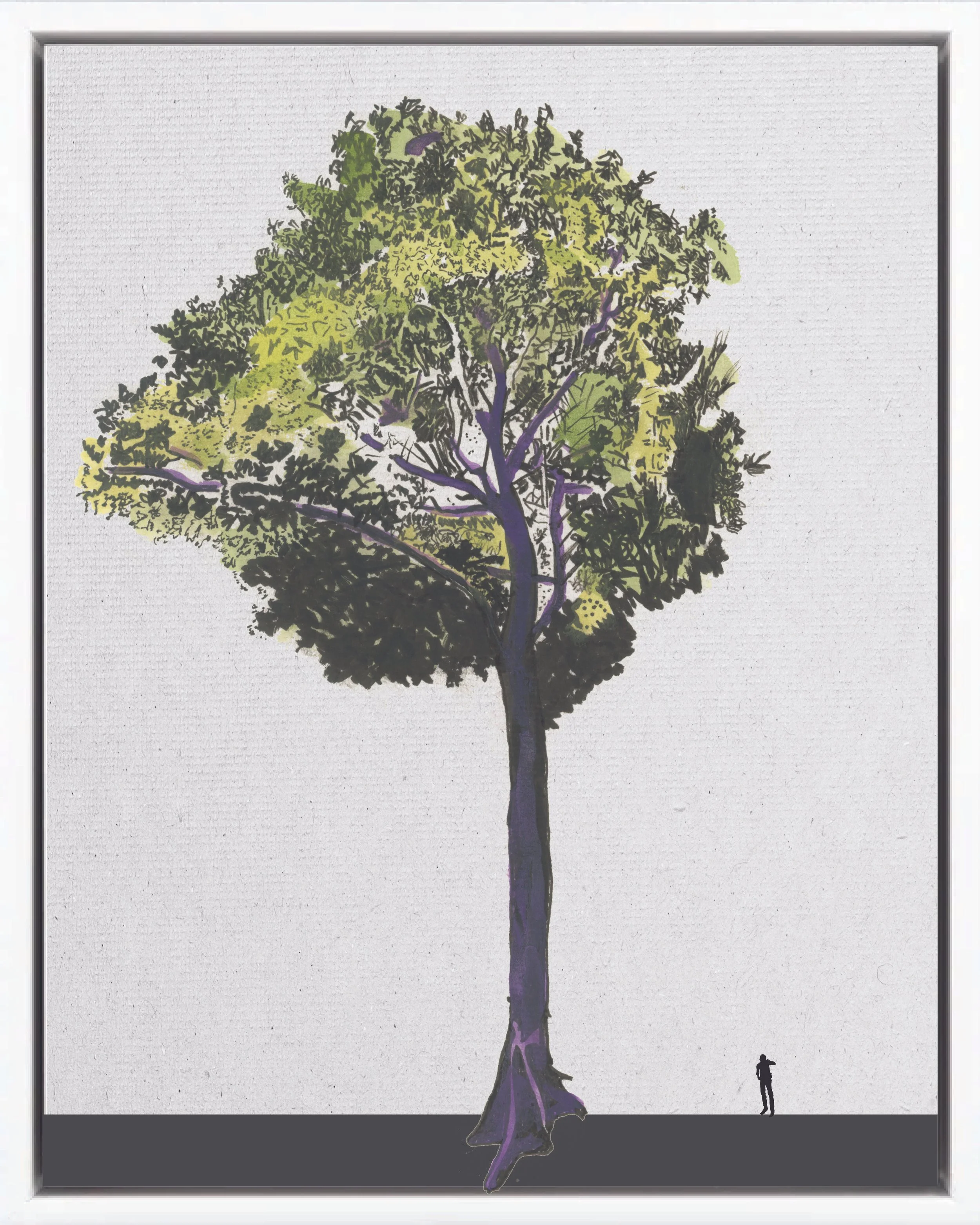
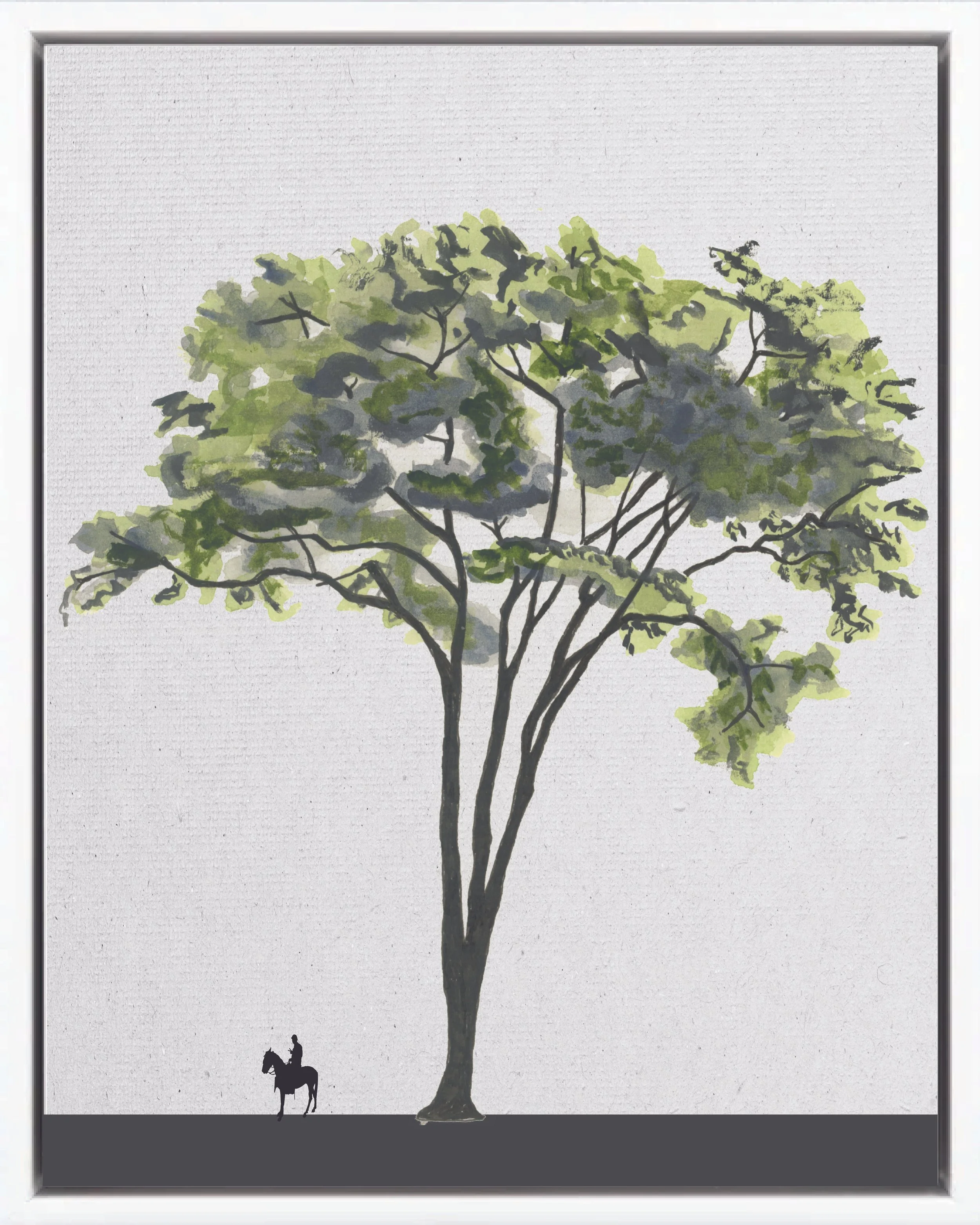
The trees are organized by successional guild: a continuum from short-lived, light-demanding pioneers to slow-growing, shade-tolerant climax trees. Contemporary restoration ecology increasingly treats this continuum as a gradient rather than a set of rigid boxes, and these accounts are best read in that spirit. All tree images are rendered in ink and watercolor by Malcolm Wyer.
We thank the Instituto Costarricense de Electricidad (ICE), whose forest nursery donation program has supplied the seedlings we have planted at Rancho Garza over the years, without which this work would not have been possible.
Table of Contents
Pioneer Species
a. Fast Pioneers
b. Nitrogen-Fixing PioneersSecondary Species
a. Early Secondary
b. Late SecondaryClimax Species
a. Climax Canopy
b. Climax Emergent
c. Understory
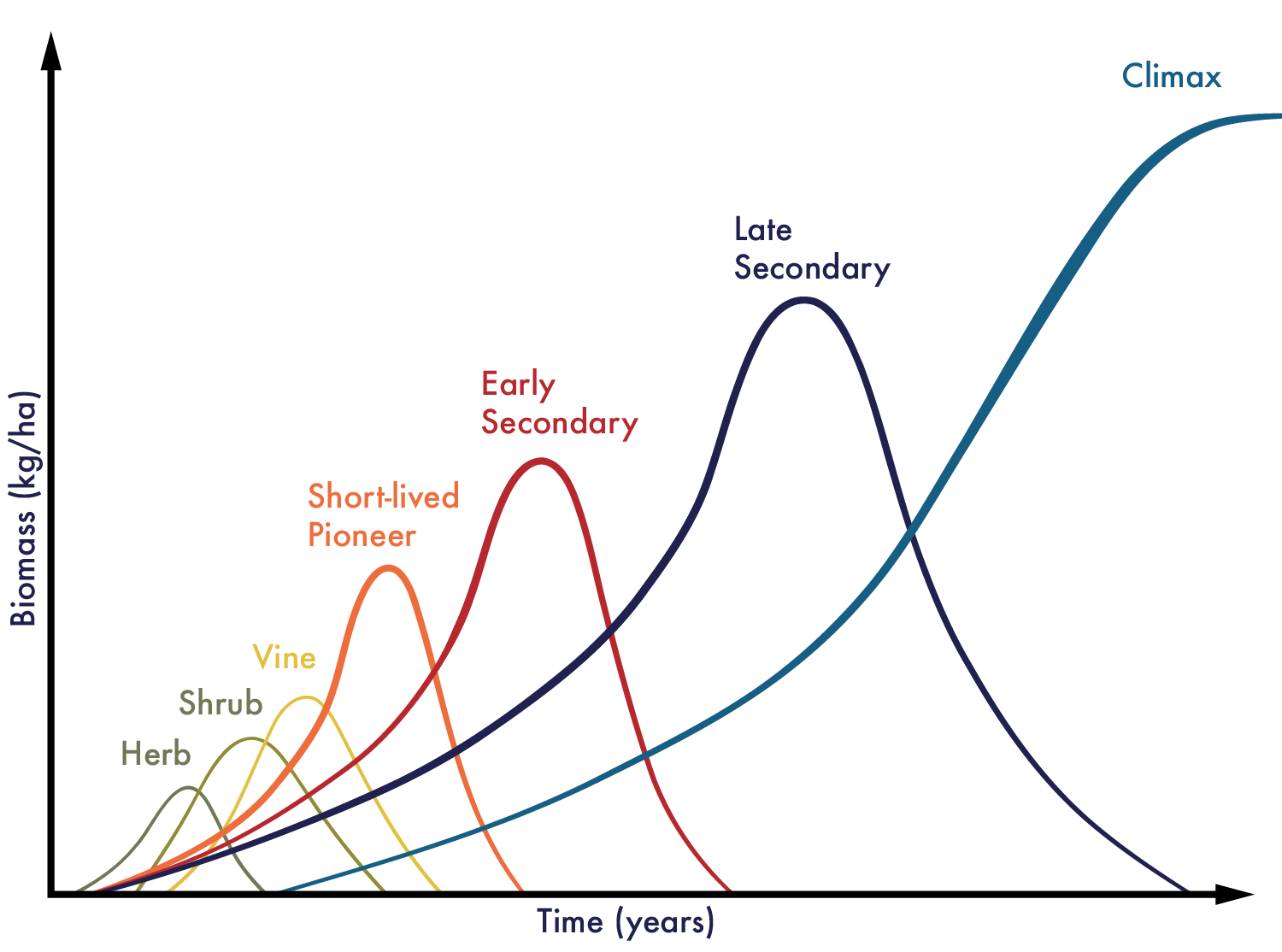
From Pioneers to Climax: The Shape of Succession
Tree functional groups across tropical forest succession. During the first five years, herbaceous life forms (herb, shrub, vine) establish and are replaced by short-lived pioneer trees, followed in turn by long-lived pioneers and shade-tolerant species (Finegan, 1996); the corresponding terminology of Budowski (1965) is shown in parentheses. Plotted as biomass over time, each functional group rises and declines at a characteristic point in the sequence — but rather than replacing one another in discrete steps, the guilds overlap continuously, illustrating why successional guilds are best understood as positions along a gradient rather than fixed categories.
Budowski, G. (1965). Distribution of tropical American rain forest species in the light of successional processes. Turrialba, 15(1), 40–42.
Finegan, B. (1996). Pattern and process in neotropical secondary rain forests: the first 100 years of succession. Trends in Ecology & Evolution, 11(3), 119–124.
I. Pioneer Species
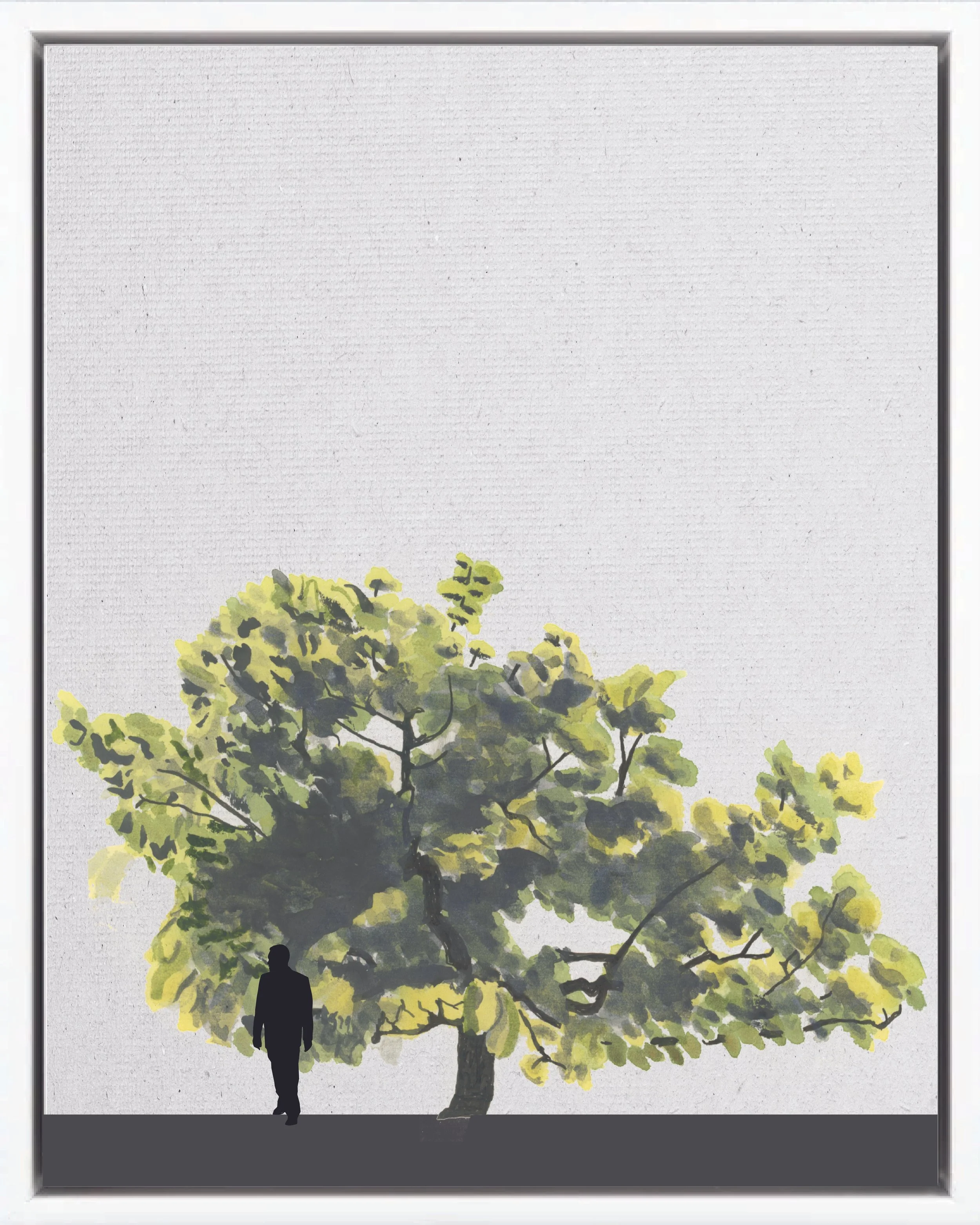
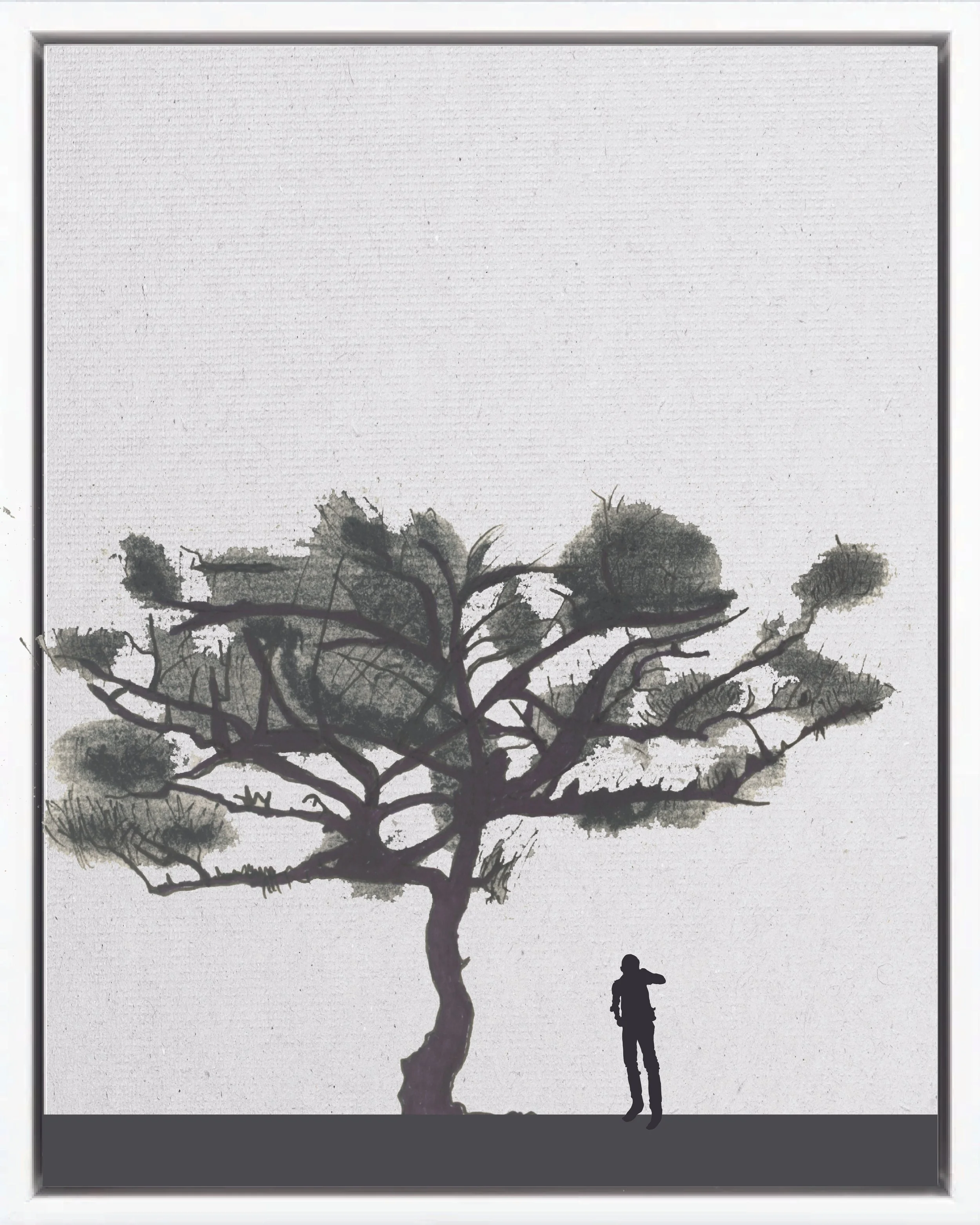
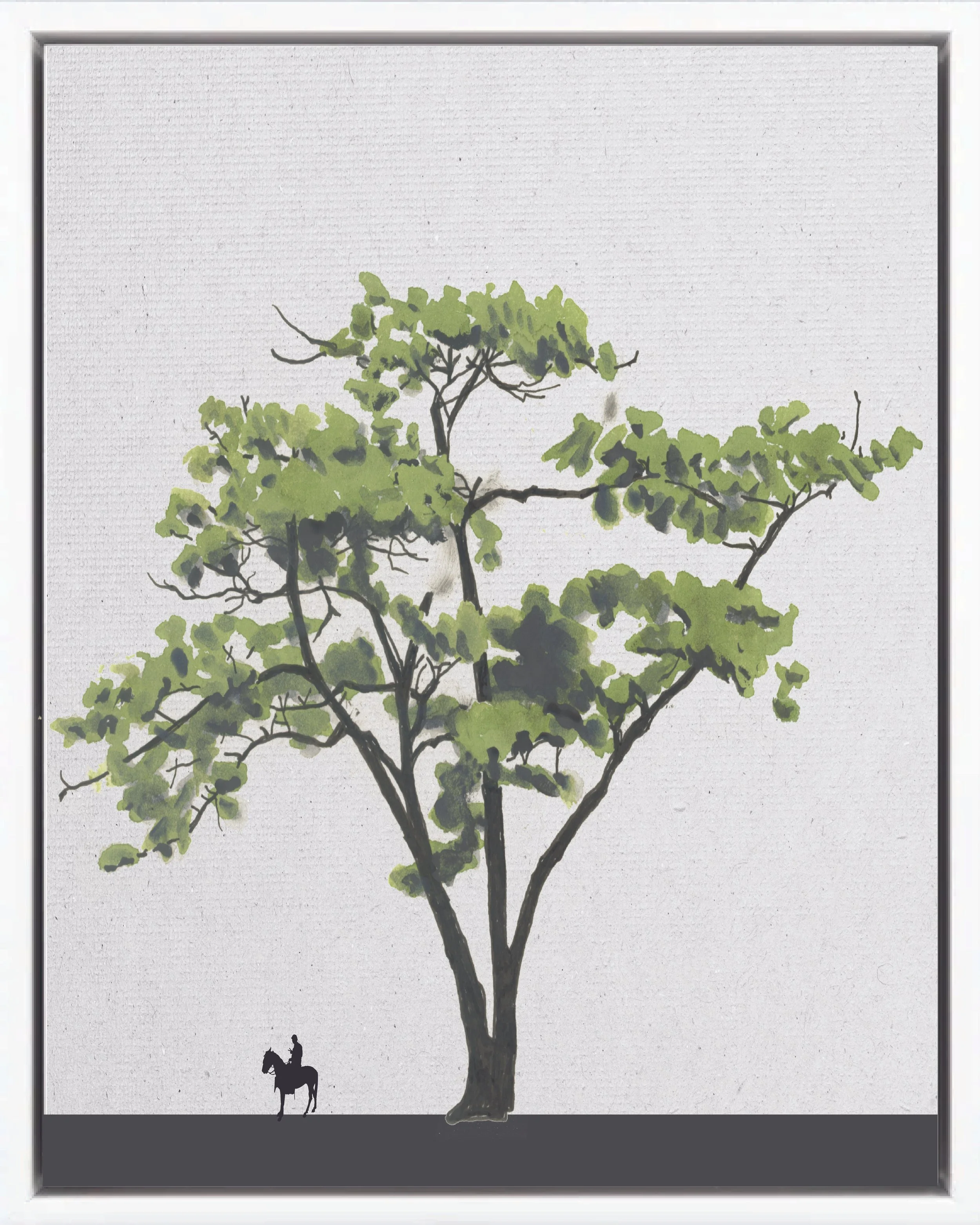
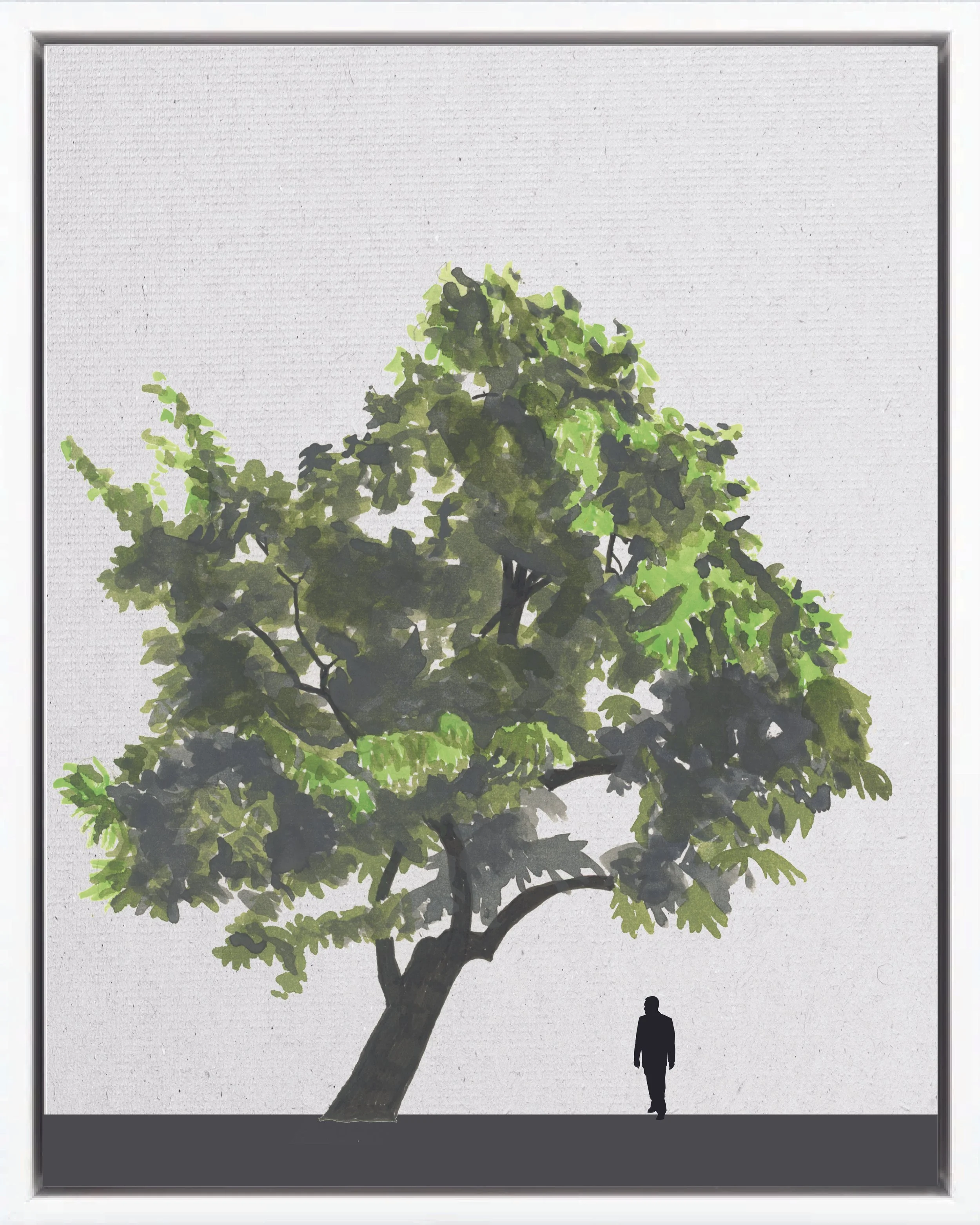
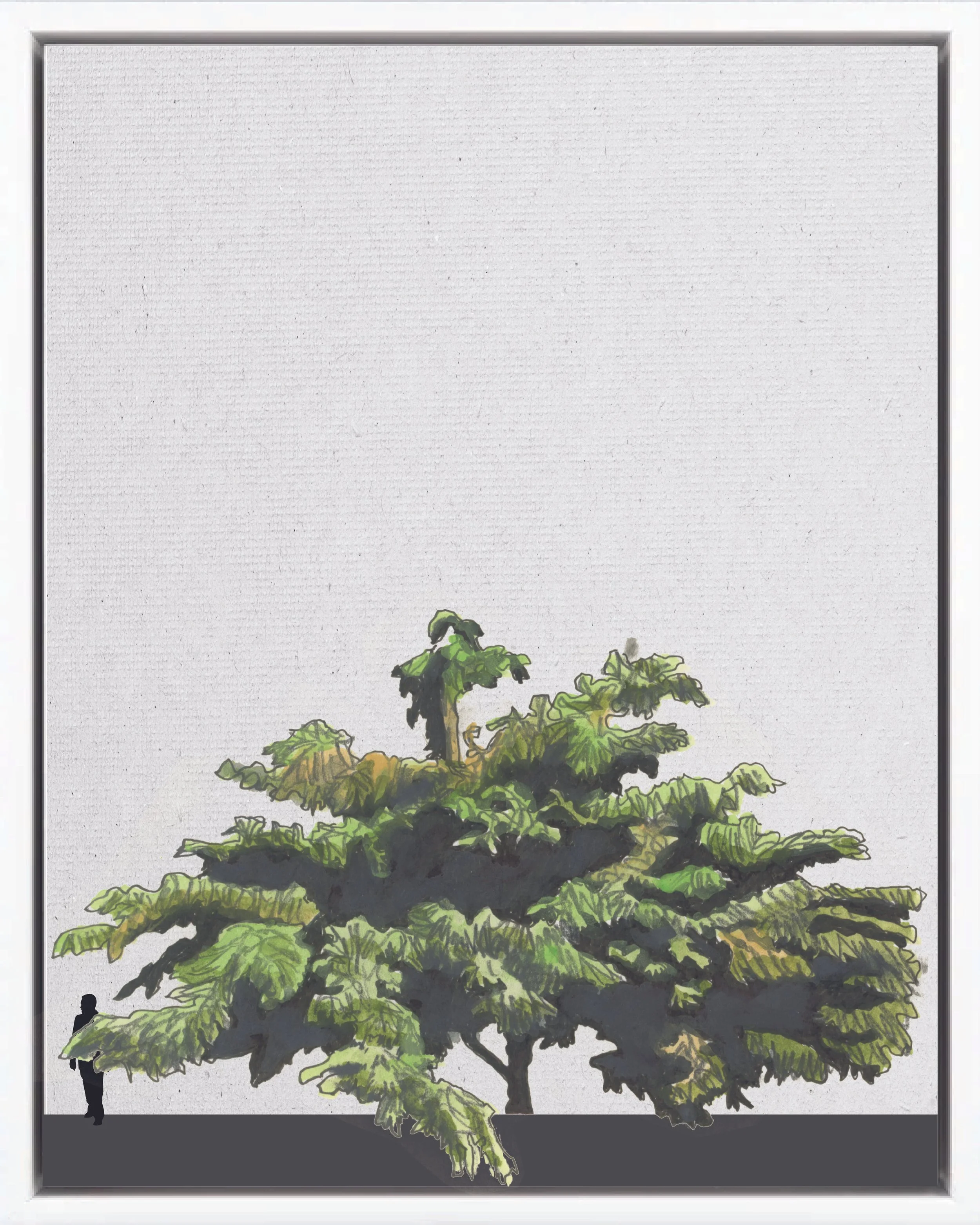
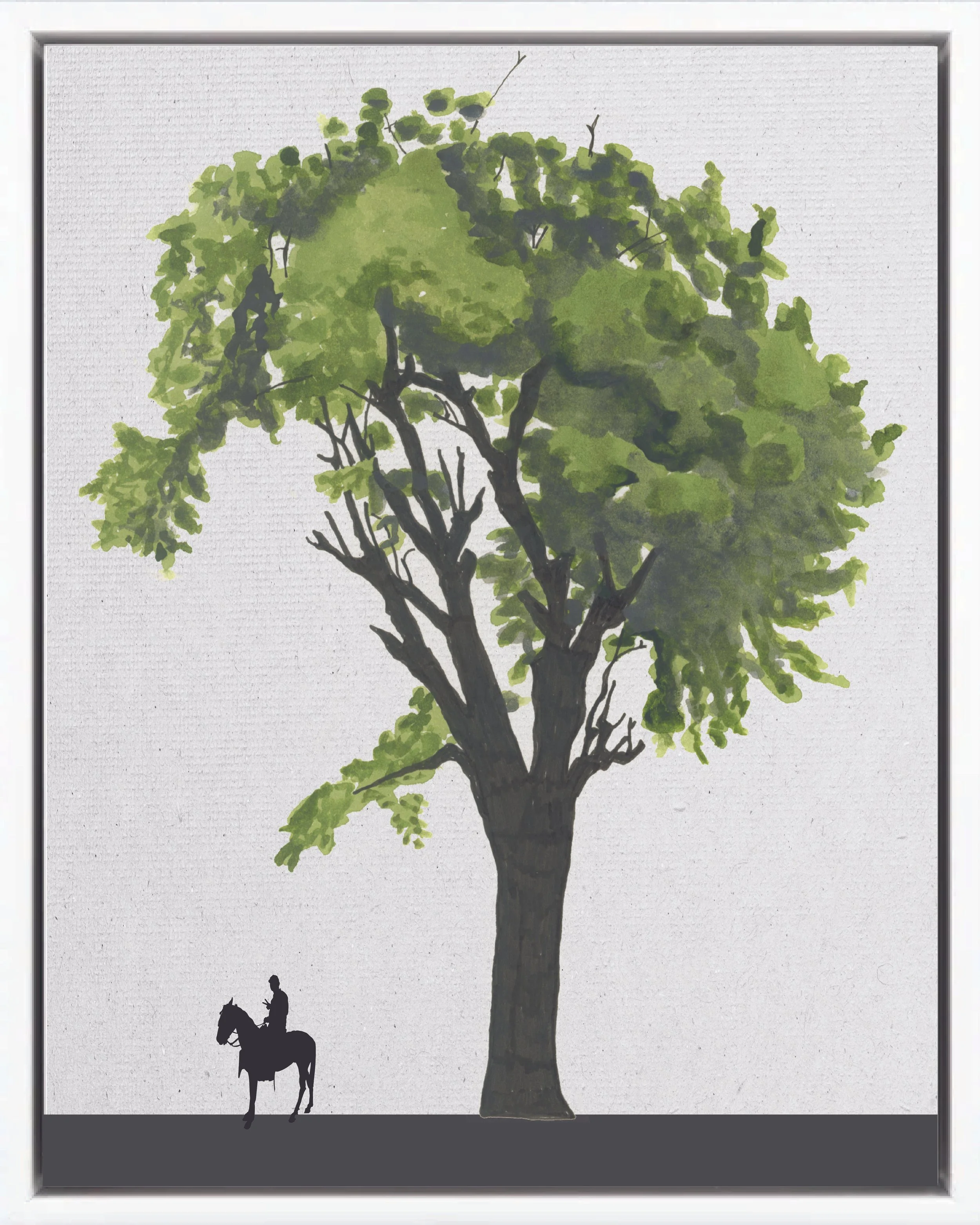
Pioneer species are the first colonizers of bare or disturbed ground — short-lived, fast-growing, and dependent on full sun, with seeds that require light to germinate. They do the essential first work of establishing cover and softening harsh edge conditions, but they cannot regenerate in shade and are gradually replaced as the canopy above them closes.
Fast Pioneers
-
![]()
Gallinazo
Schizolobium parahyba
-
![]()
Guarumo
Cecropia spp.
-
![]()
Güitite
Acnistus arborescens
-
![]()
Indio Desnudo
Bursera simaruba
-
![]()
Eucalipto
Eucalyptus spp.
-
![]()
Papaturro
Coccoloba caracasana
-
![]()
Guácimo
Guazuma ulmifolia
-
![]()
Balsa
Ochroma pyramidale


Nitrogen-Fixing Pioneers
-
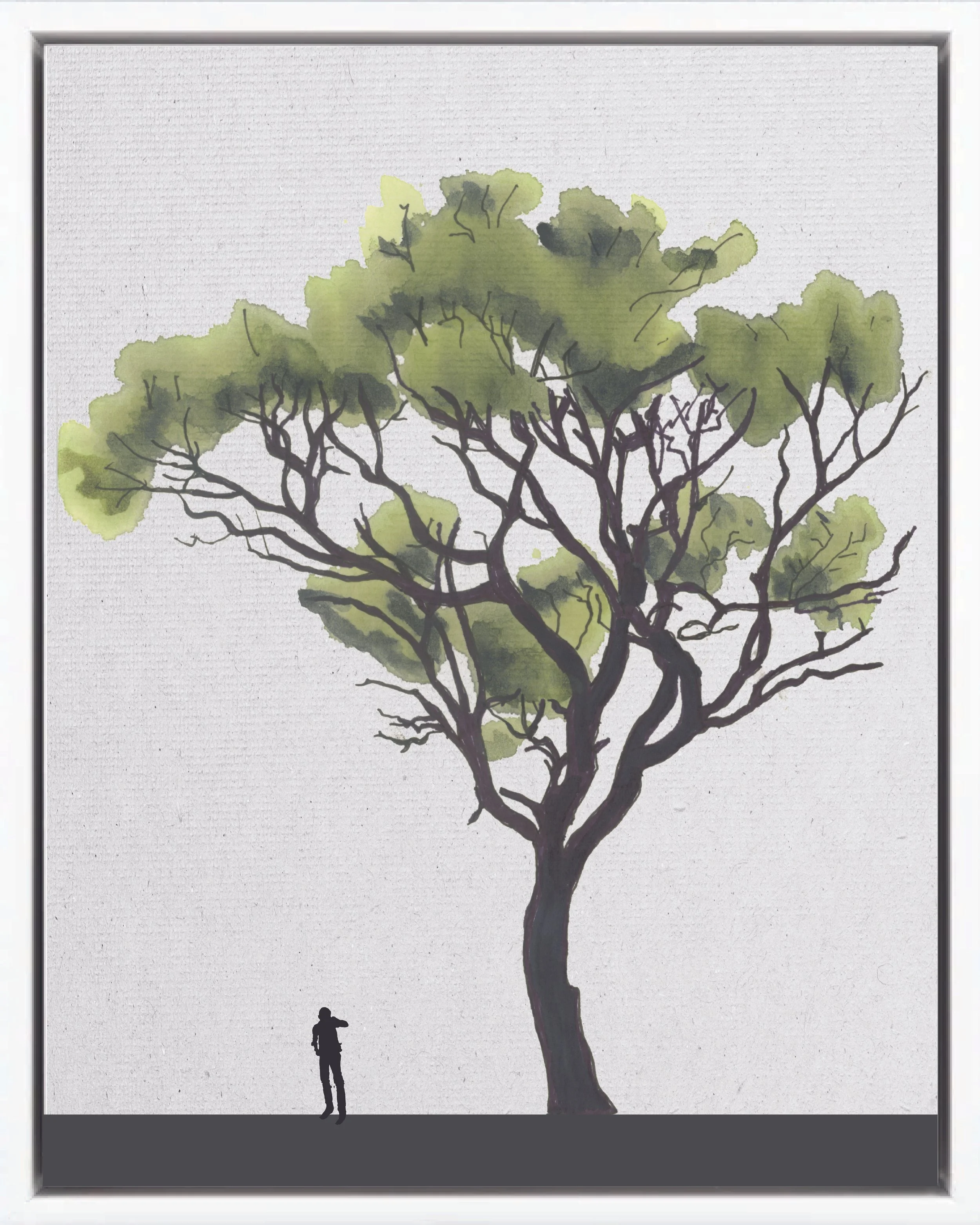
![]()
Guachipelín
Diphysa americana
-
![]()
Guaba
Inga edulis
-
![]()
Guaba Machete
Inga edulis
-
![]()
Guajiniquil
Inga jinicuil
2. Secondary Species
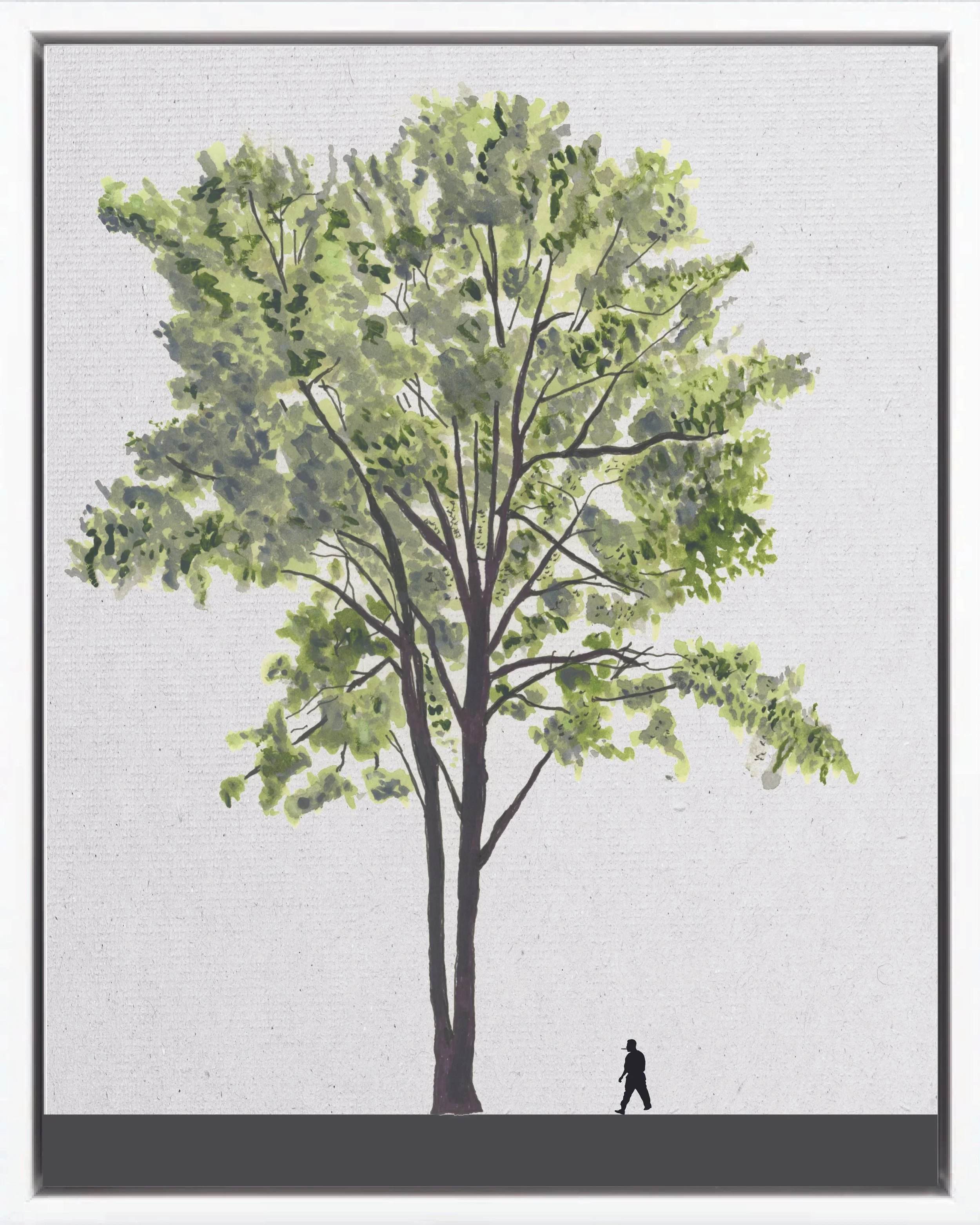
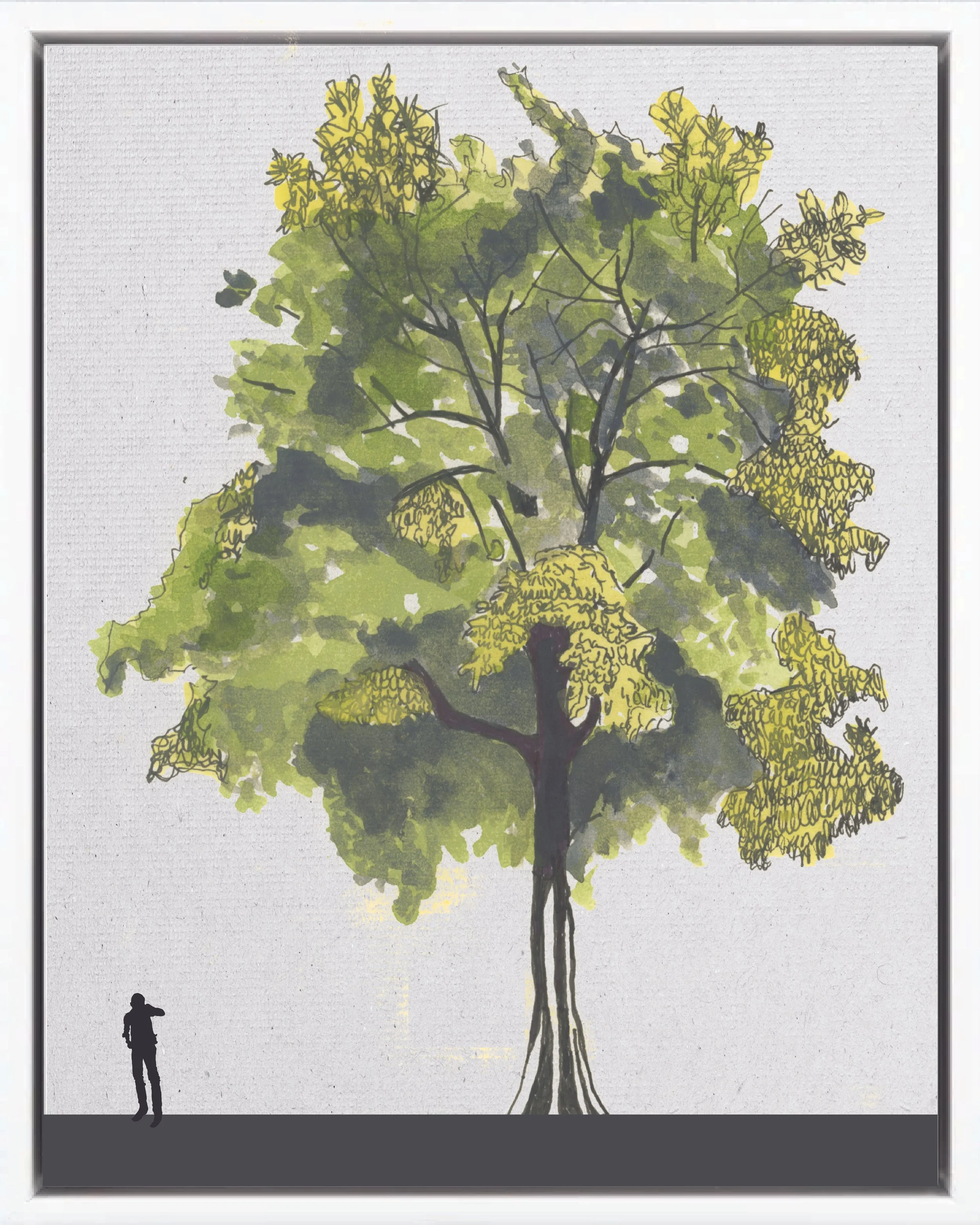
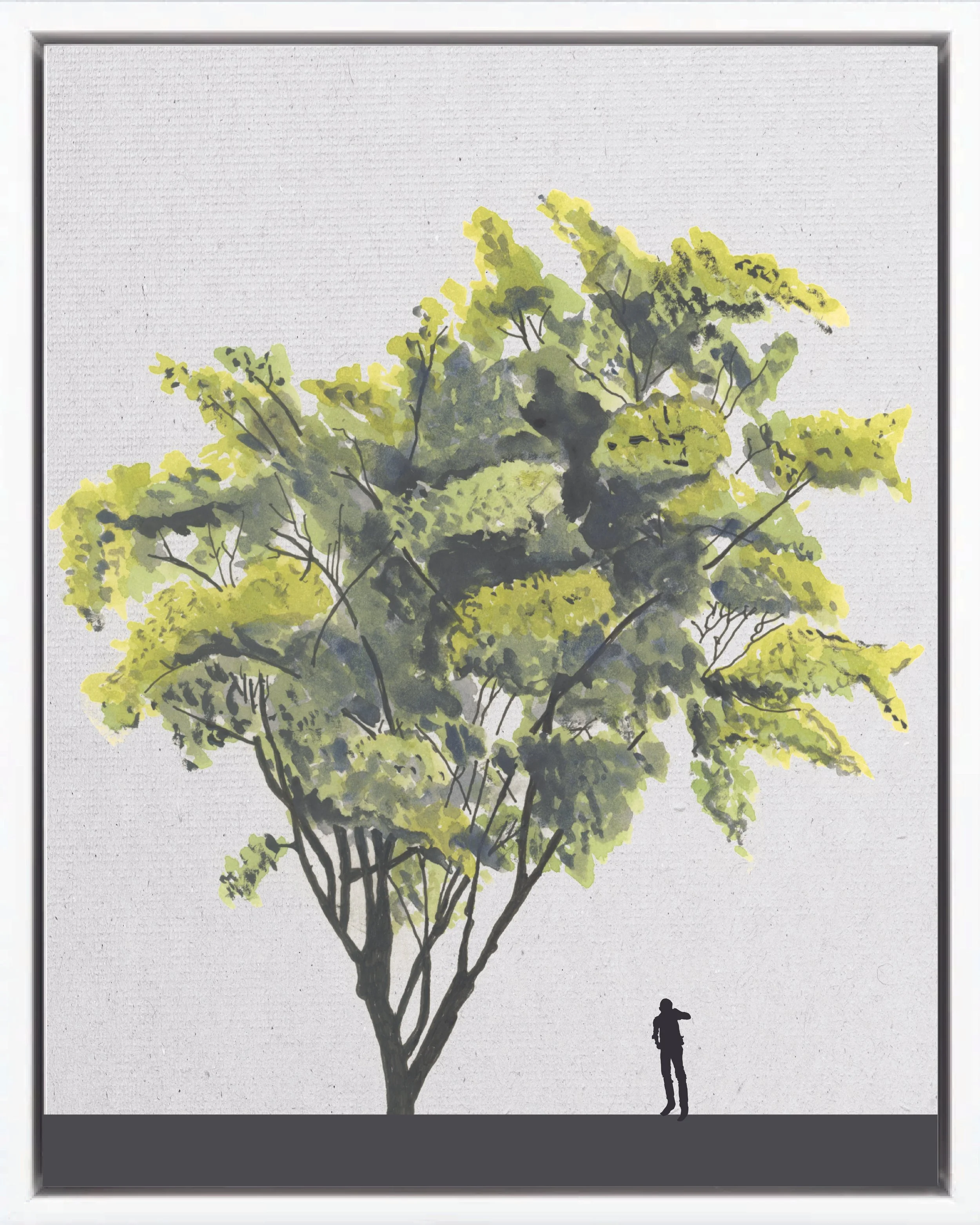
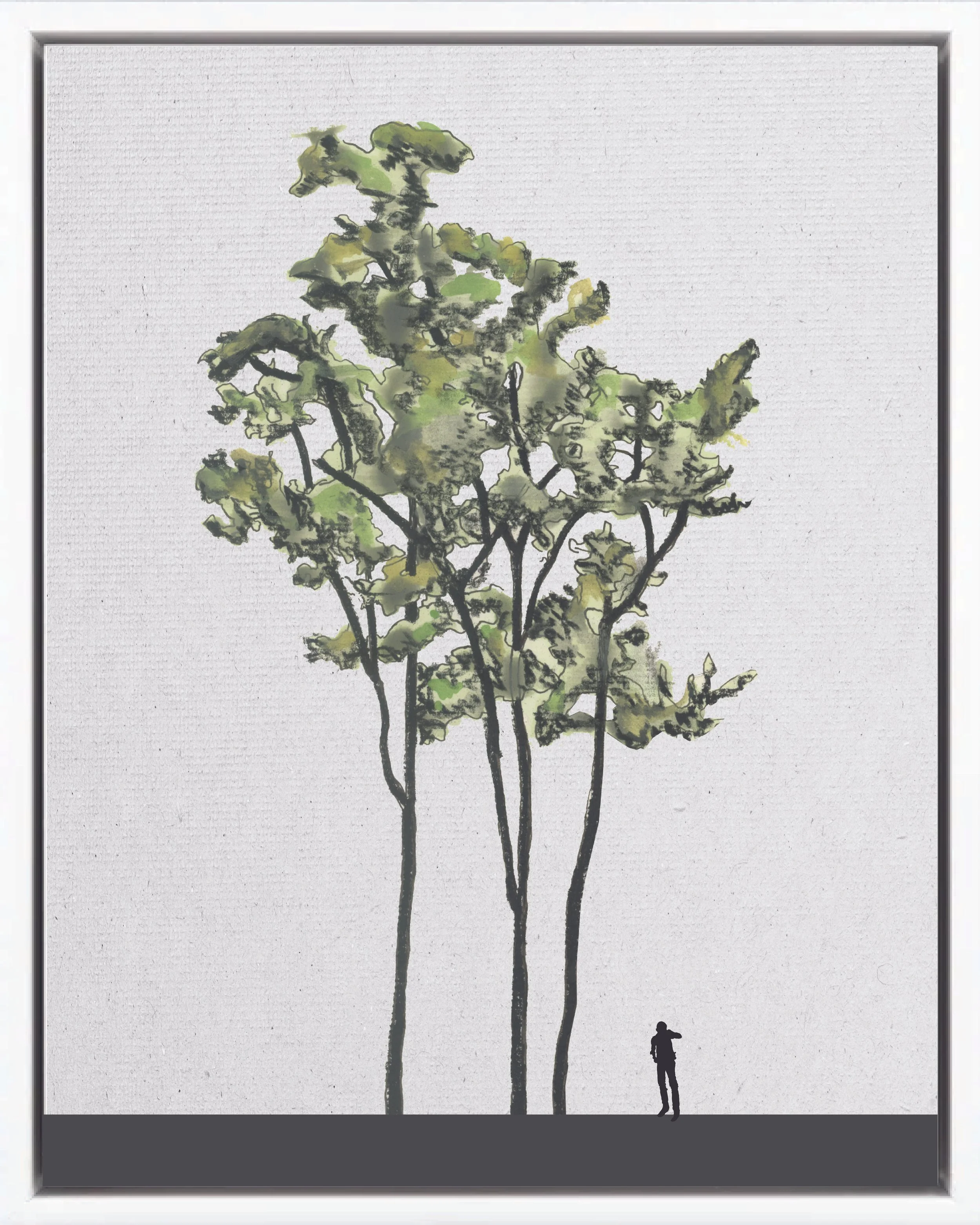
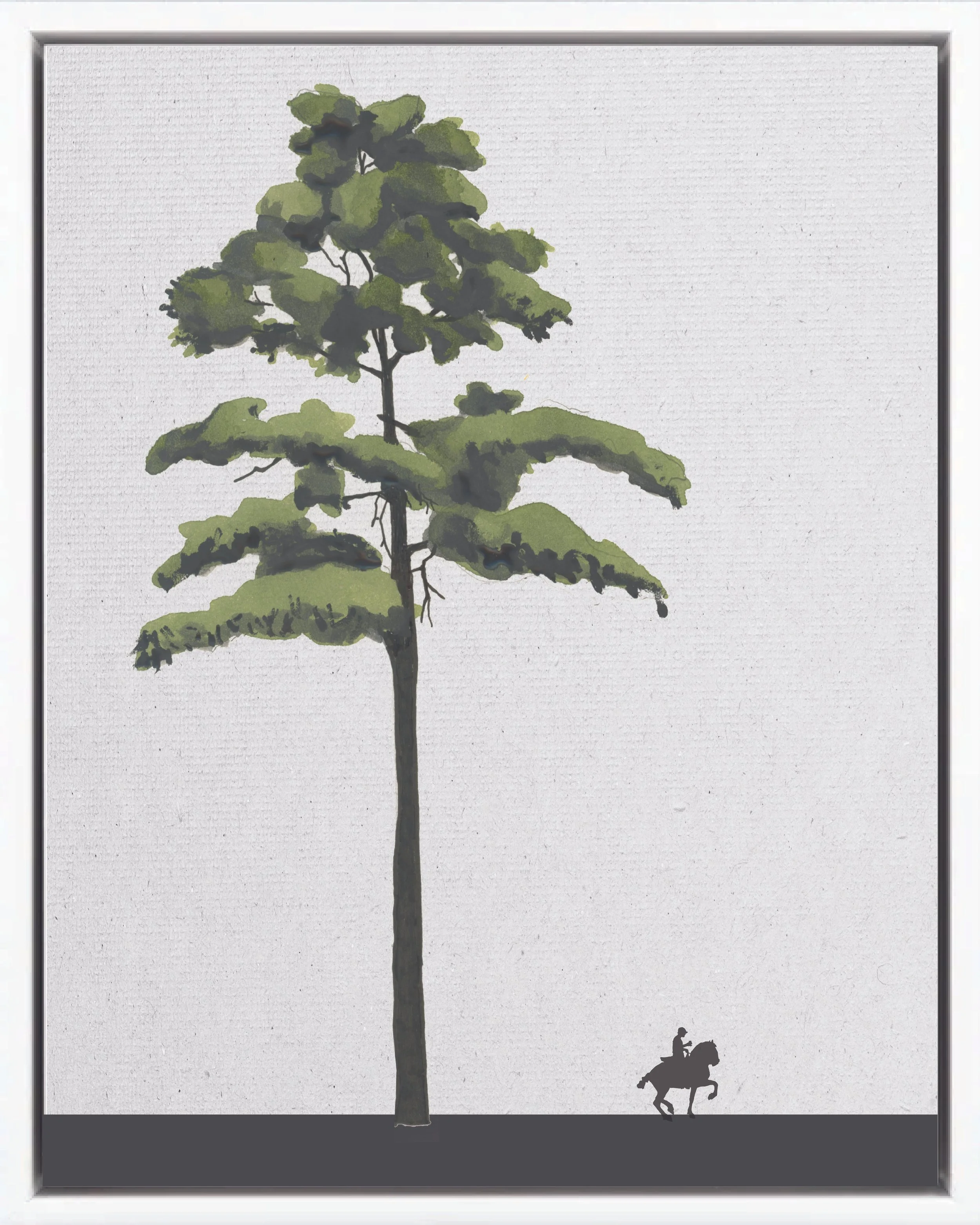
Secondary species (early and late) form the bridge between pioneer cover and mature forest structure, growing more slowly and tolerating more shade than pioneers while still building toward a closed canopy. Early secondary trees remain fast and light-demanding, while late secondary species grow denser wood and greater shade tolerance as they persist into the transitional canopy.
Early Secondary
-
![]()
Chaperno
Lonchocarpus ferrugineus
-
![]()
Poponjoche
Pachira aquatica
-
![]()
Sotacaballo
Zygia longifolia
-
![]()
Laurel
Cordia alliodora
-
![]()
Cebo
Vochysia guatemalensis
Late Secondary
-
![]()
Cedro Amargo
Cedrela odorata
-
![]()
Cocobolo
Dalbergia retusa
-
![]()
Cortez Amarillo
Handroanthua ochraceus
-
![]()
Madroño
Calycophyllum candidissimum
3. Climax Species
Climax species are the slow-growing, shade-tolerant hardwoods that ultimately define the forest's mature structure, capable of germinating and persisting even in low light beneath an existing canopy. At Rancho Garza this single guild spans canopy, emergent, and understory positions — from towering emergents like Ceiba and Almendro amarillo down to shade-adapted understory trees like Aguacatillo and Cirrí colorado.
Climax Canopy
-
![]()
Nispero
Pouteria spp.
-
![]()
Ojoche
Brosimum alicastrum
-
![]()
Espavel
Anacardium excelsum
-
![]()
Higuerón
Ficus inspida
-
![Hand drawn tree study of Almendro de Rio (cabbage angelin) as a climax neotropical reforestation species]()
Almendro de Rio
Andira inermis
-
![]()
Caoba
Swietenia macrophylla
-
![]()
Pilón
Heyeronima alchorneoides
-
![]()
Fruta Dorada
Virola koschnyi
-
![]()
Ron Ron
Astronium graveolens

Climax Emergent
-
![]()
Cortez Negro
Handroanthus impetiginosus
-
![]()
Almendro Amarillo
Dipteryx panamensis
-
![]()
Ceiba
Ceiba pentandra
-
![]()
Cenízaro
Samanea saman
-
![]()
Guanacaste
Enterolobium cyclocarpum
-
![]()
Sura
Terminalia oblonga
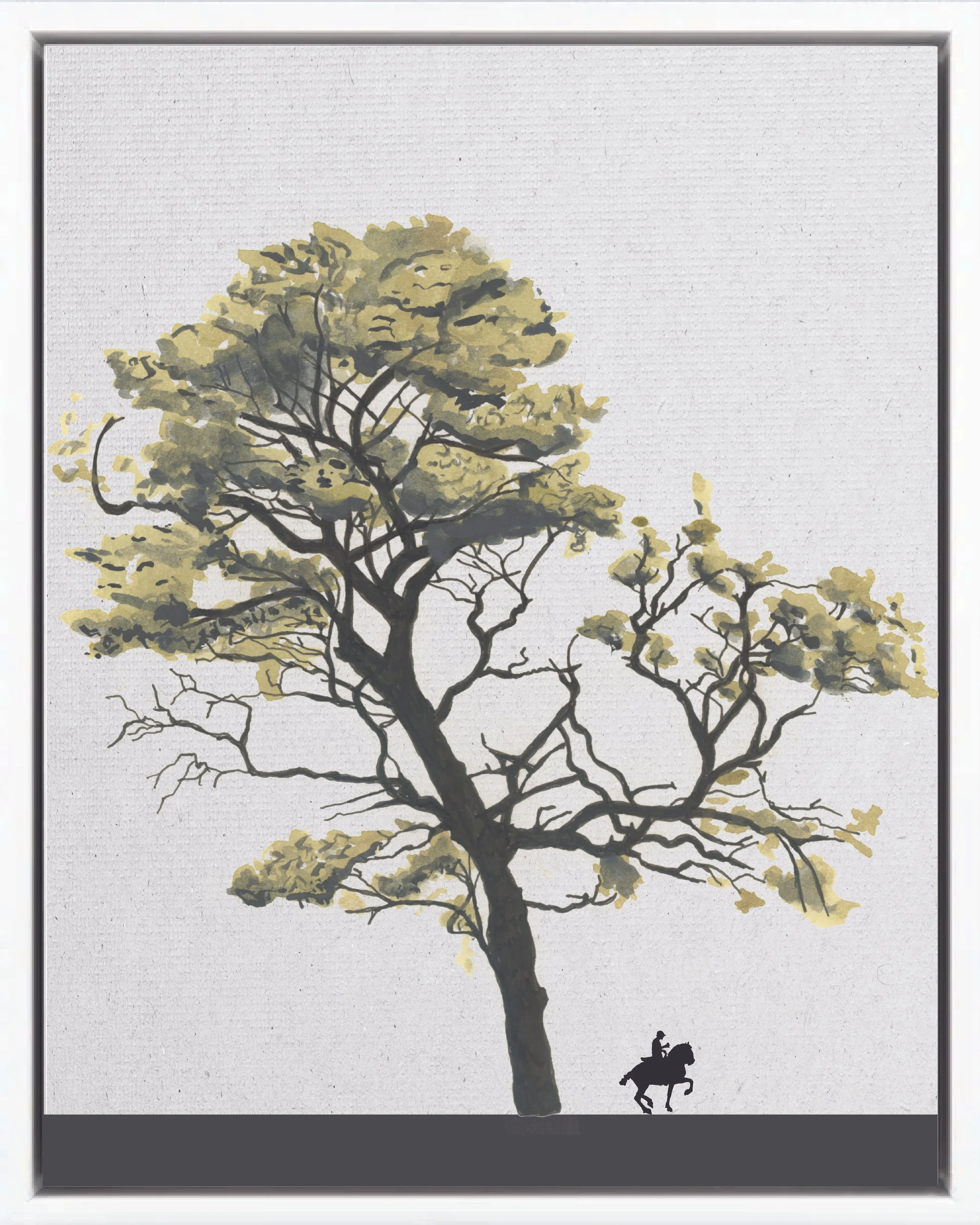
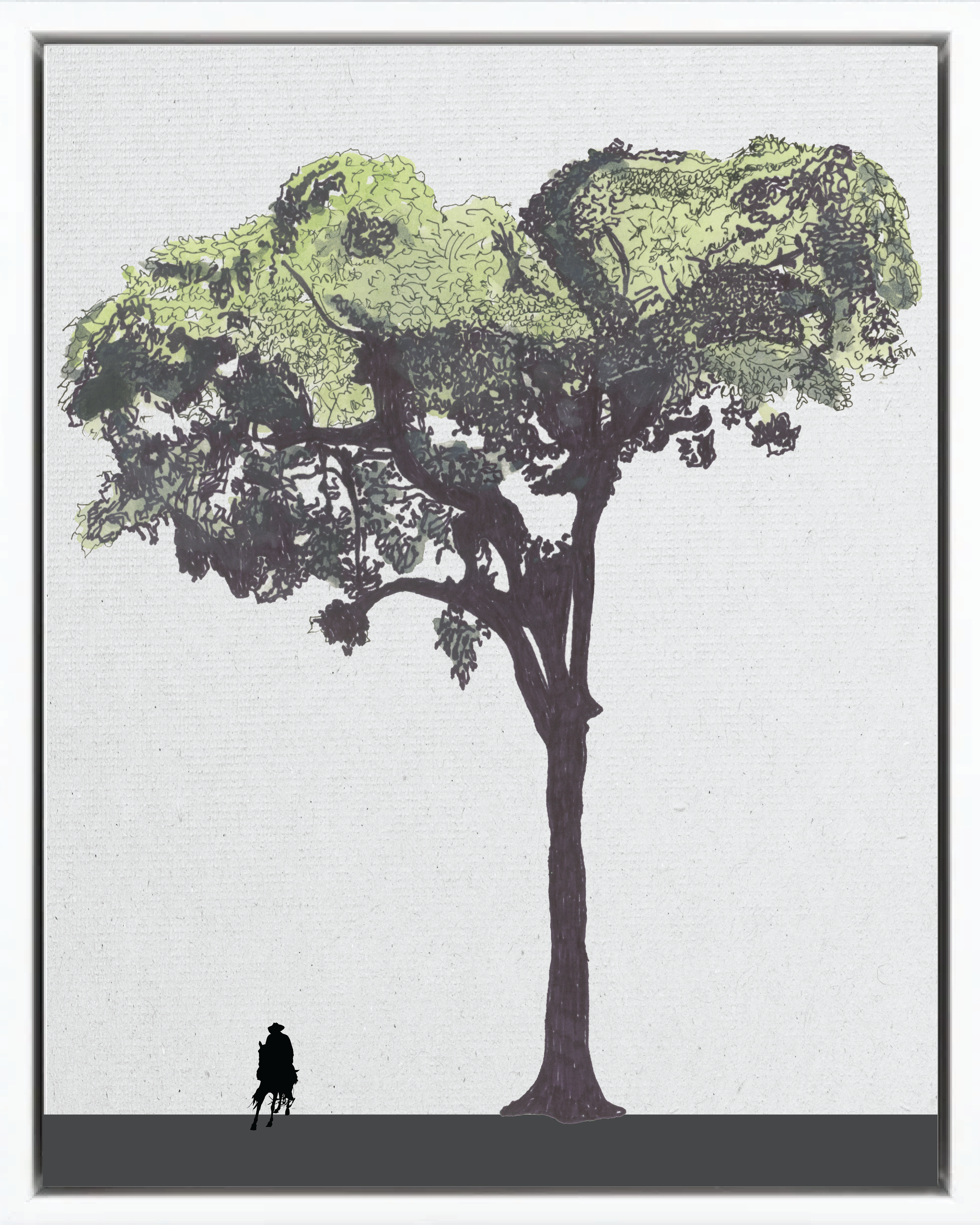

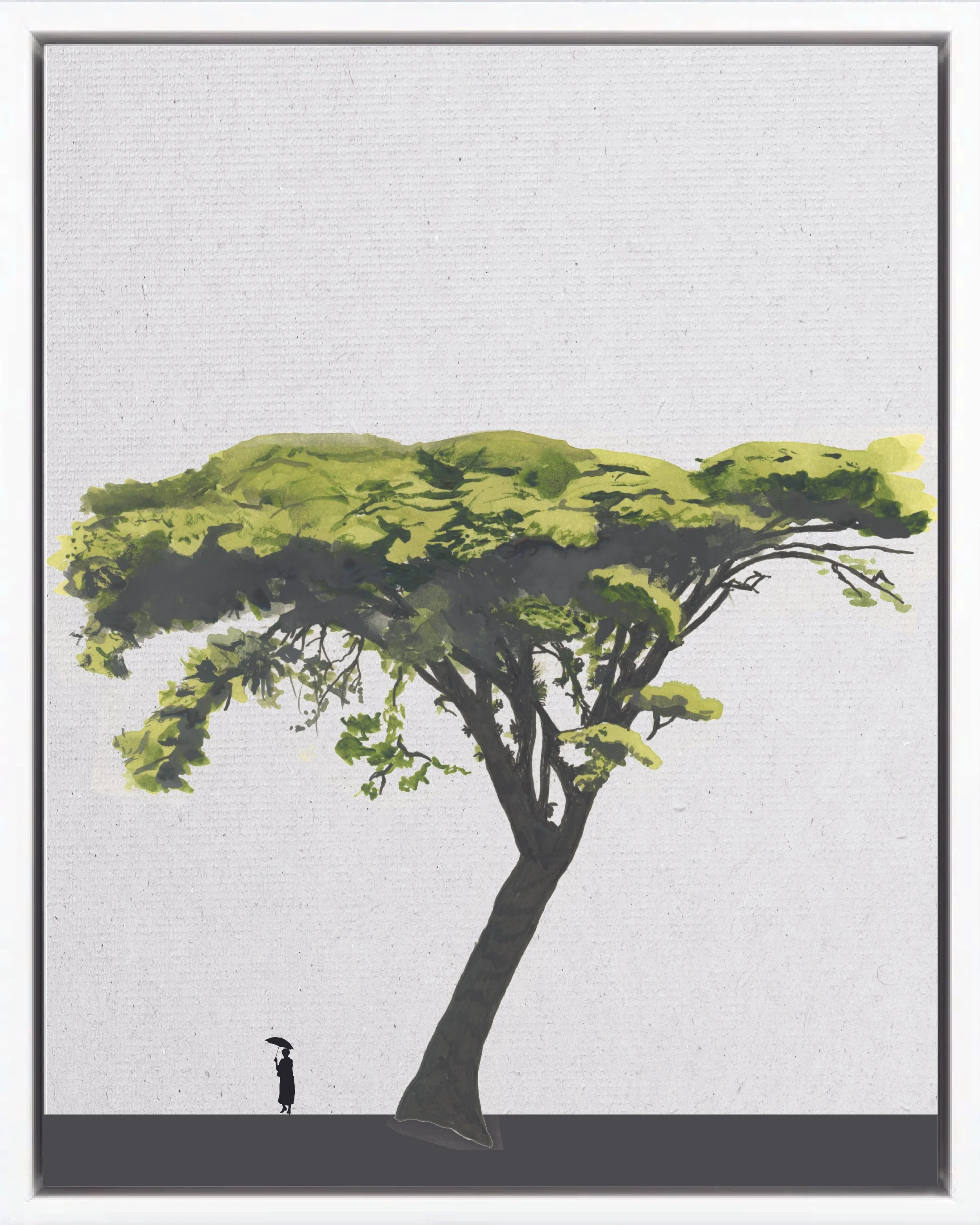
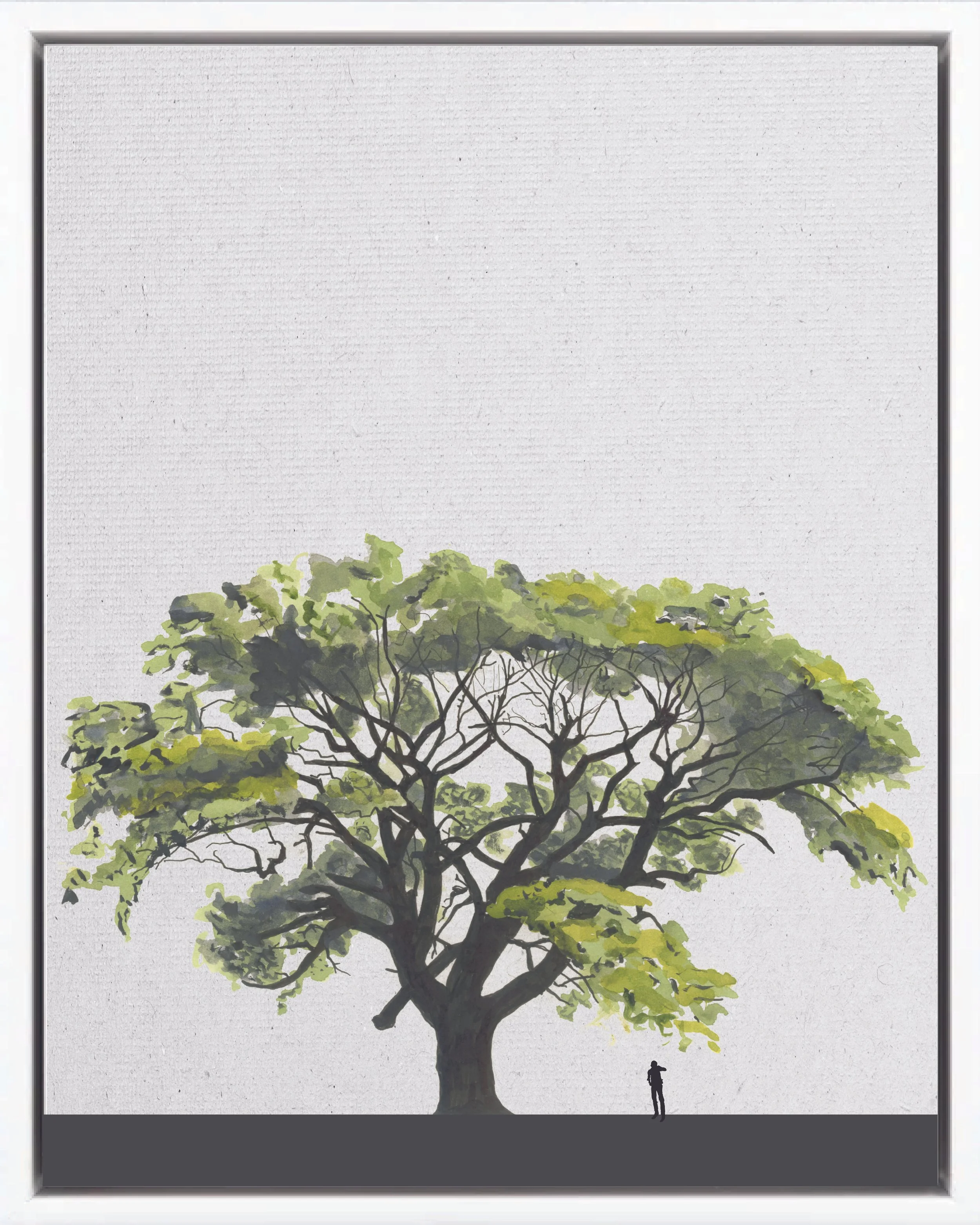
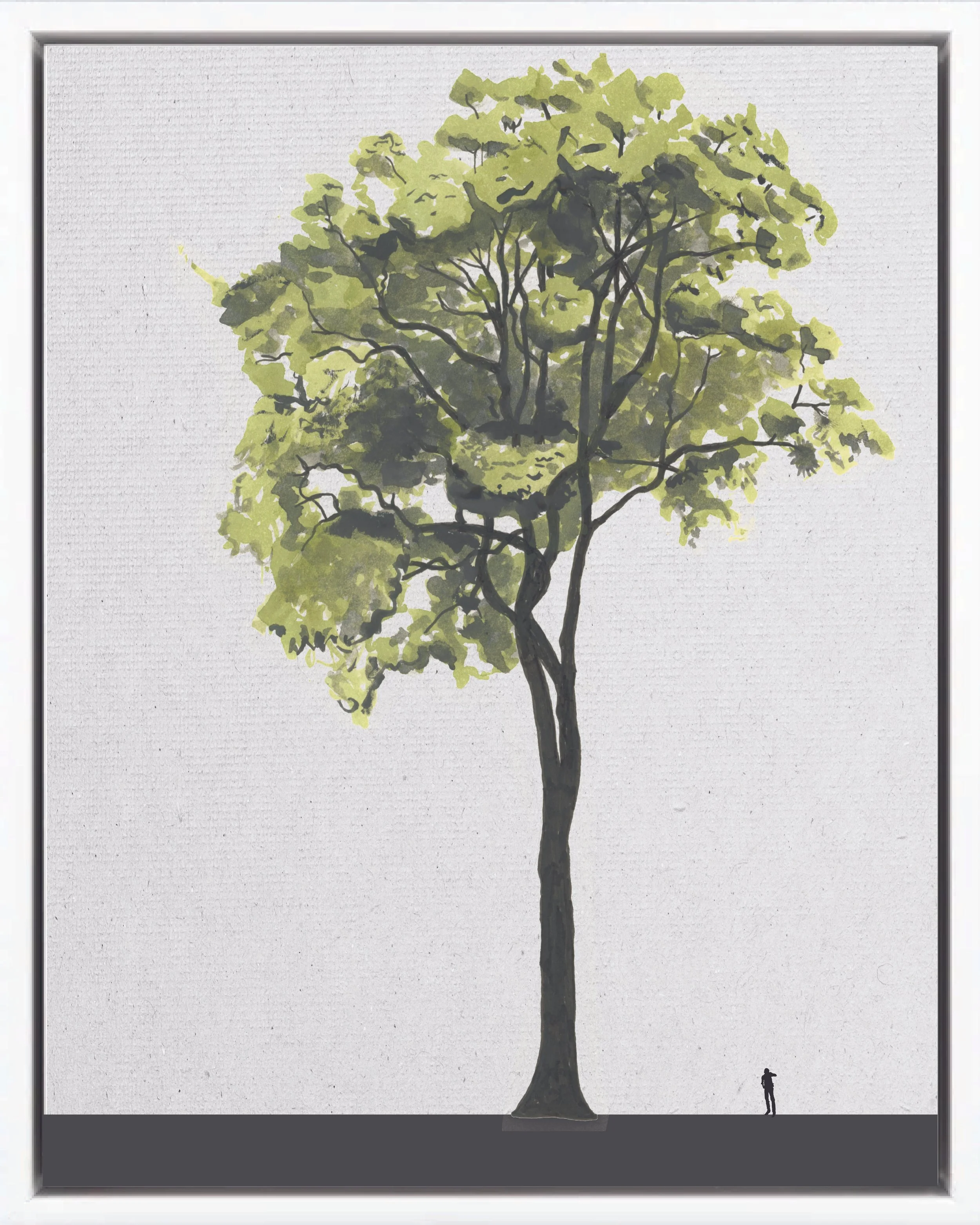
Understory
-
![]()
Cirri Colorado
Mauria heterophylla
-
![]()
Aguacatillo
Ocotea/ Nectandra spp.
-
![]()
Muñeco
Cordia collococca