Map of neotropical realm
Illustrated Tree Compendium
Reforestation Species of the Isthmian-Atlantic Slope — Rancho Garza
Successional guilds describe where a species sits along a continuum from short-lived, light-demanding pioneers to slow-growing, shade-tolerant climax trees. Contemporary restoration ecology increasingly treats this continuum as a gradient rather than a set of rigid boxes.
Pioneer Species
a. Fast Pioneers
b. Nitrogen-Fixing PioneersSecondary Species
a. Early Secondary
b. Late SecondaryClimax Species
a. Climax Canopy
b. Emergent Canopy
GRadient diagram of successional guilds
I. Pioneer Species
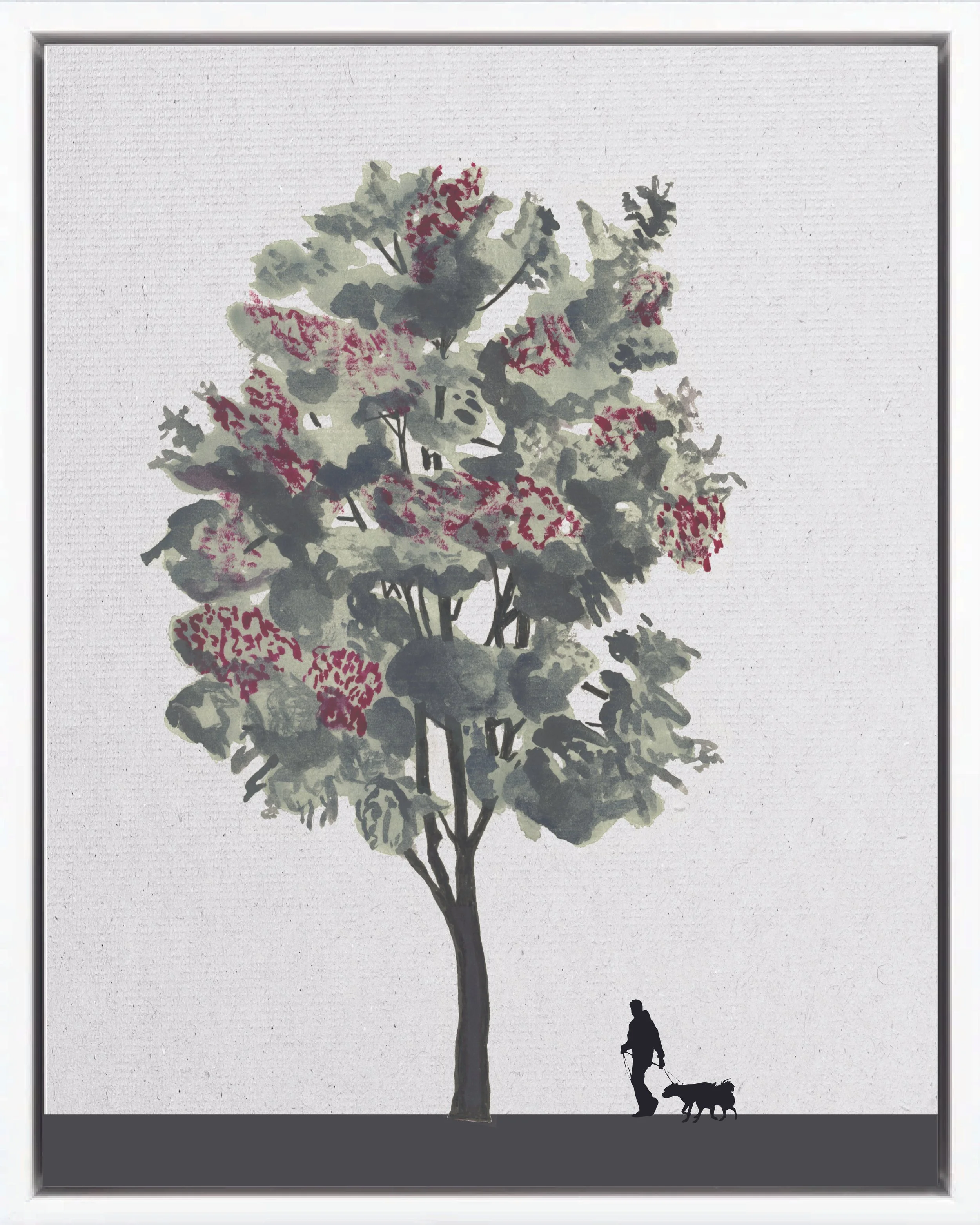
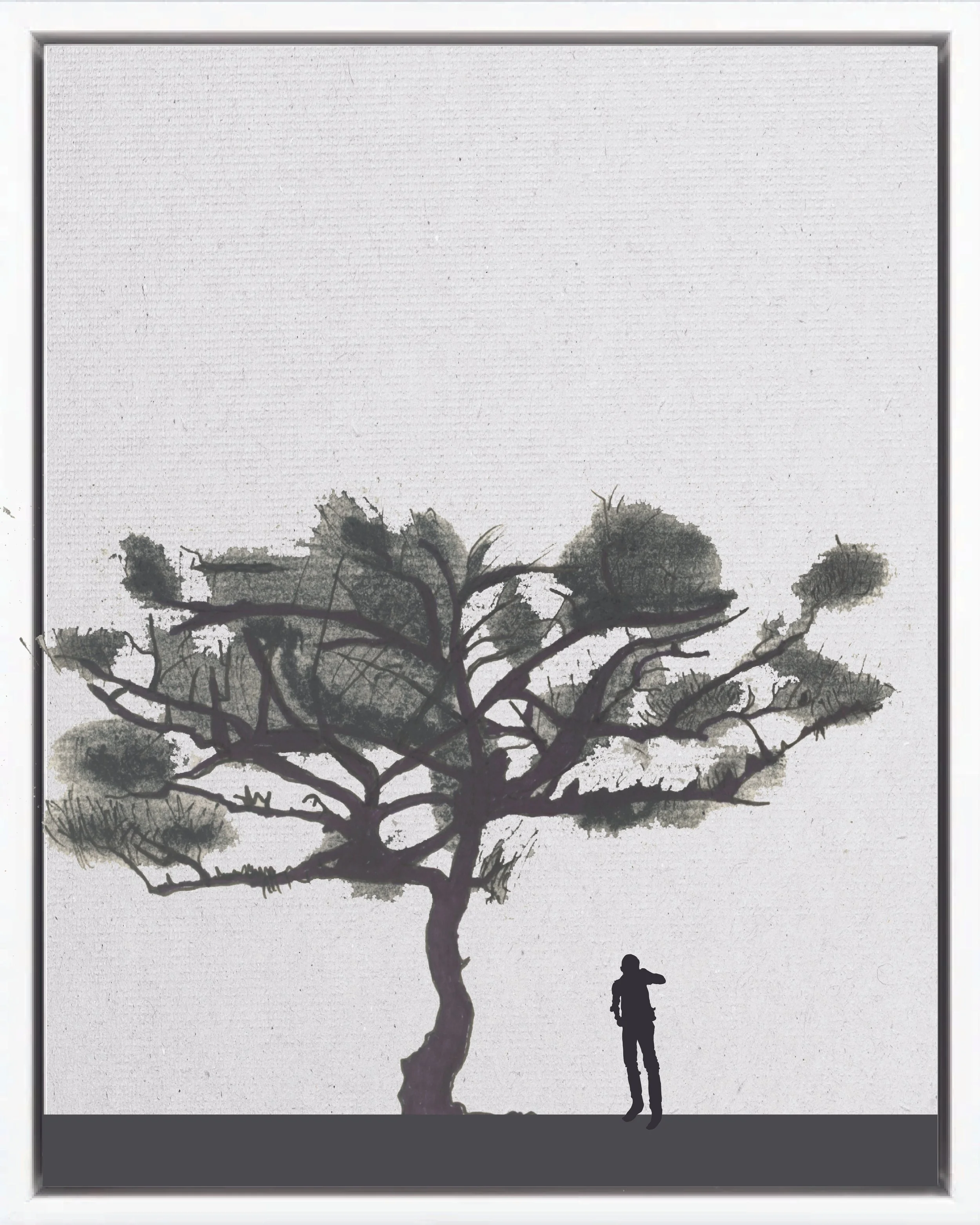
Pioneer species are the first colonizers of bare or disturbed ground — short-lived, fast-growing, and dependent on full sun, with seeds that require light to germinate. They do the essential first work of establishing cover and softening harsh edge conditions, but they cannot regenerate in shade and are gradually replaced as the canopy above them closes.
Fast Pioneers
-
![]()
Gallinazo
Schizolobium parahyba
-
![]()
Guarumo
Cecropia spp.
-
![]()
Güitite
Acnistus arborescens
-
![]()
Indio Desnudo
Bursera simaruba
-
![]()
Eucalipto
Eucalyptus spp.
-
![]()
Guácimo
Guazuma ulmifolia
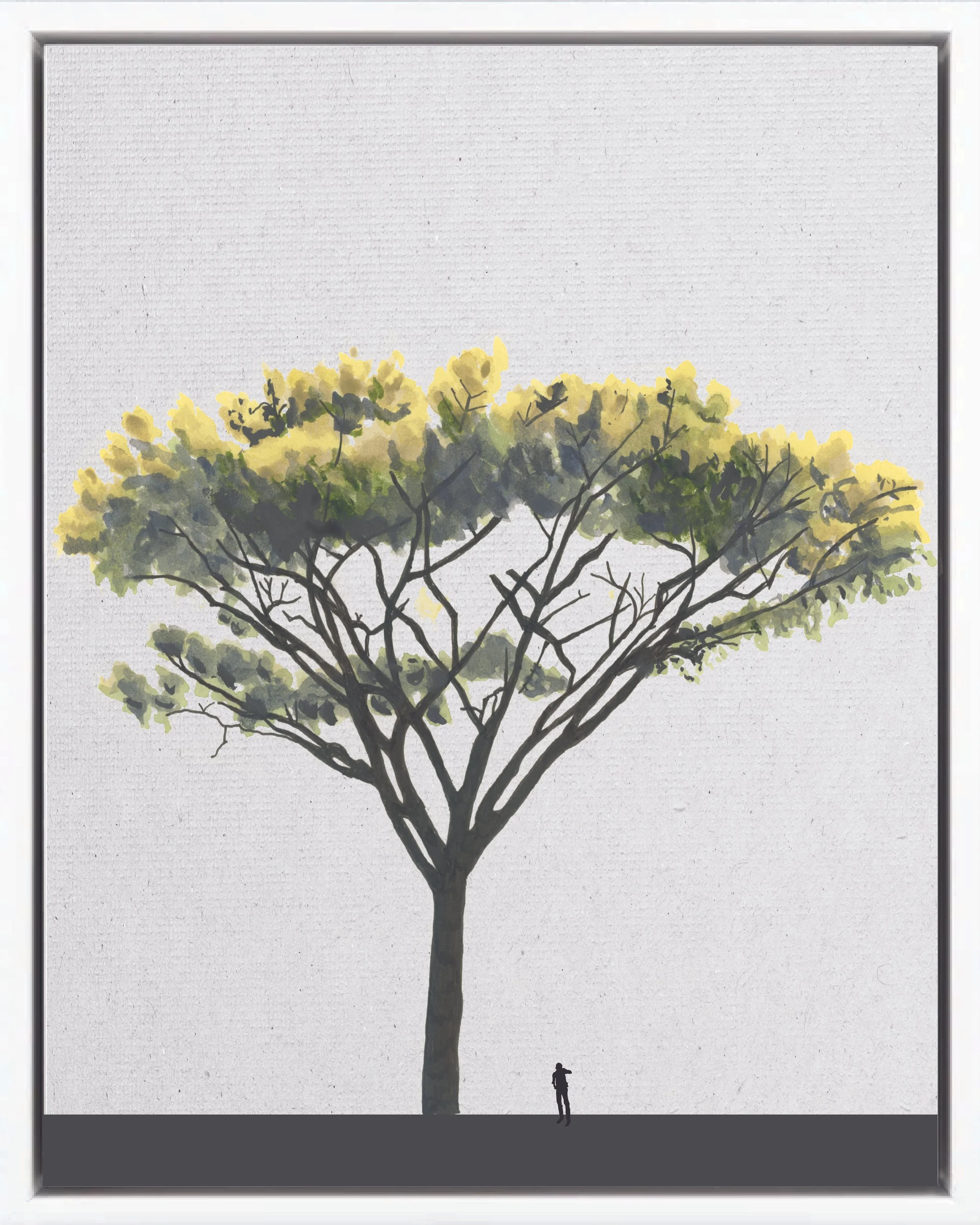
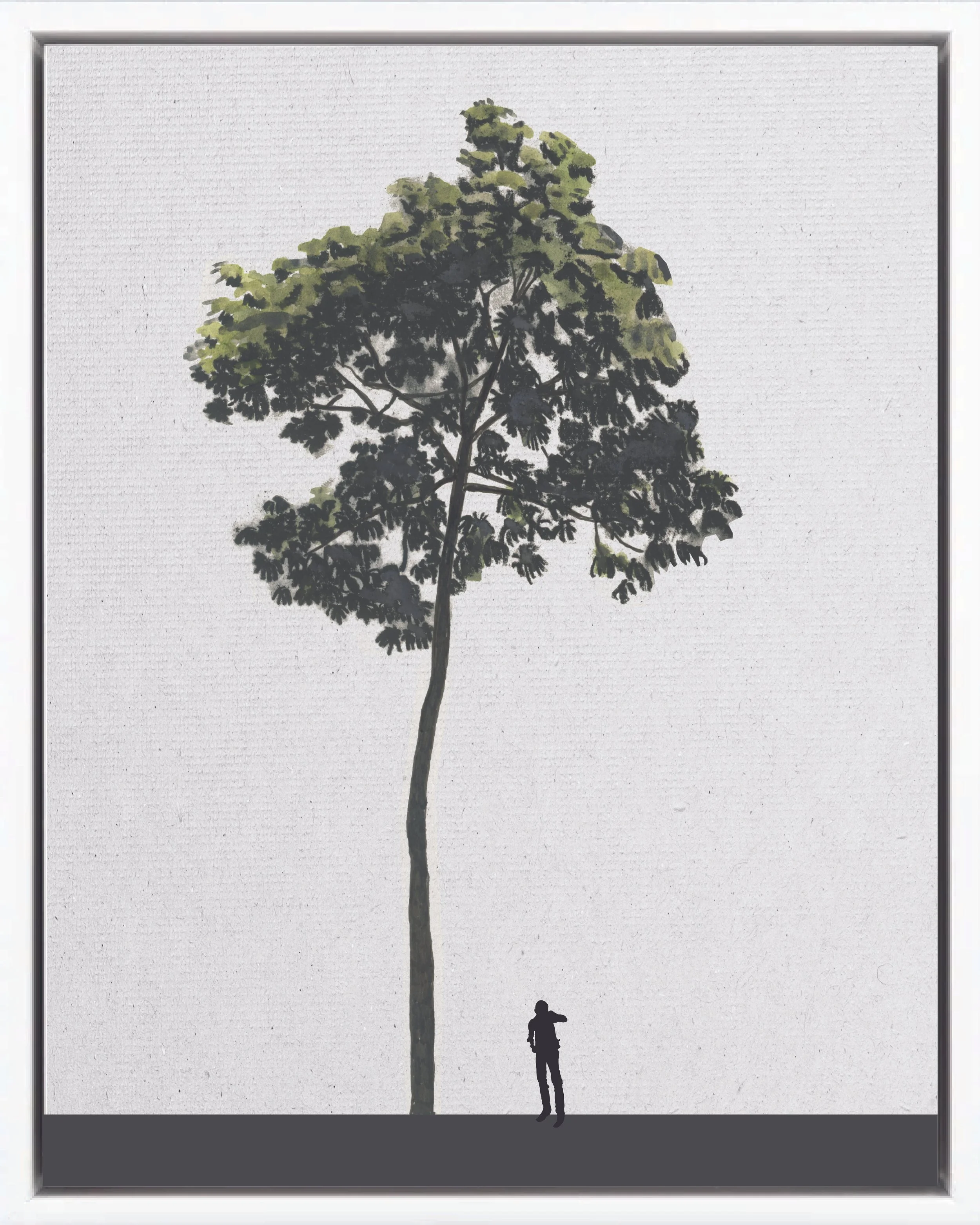
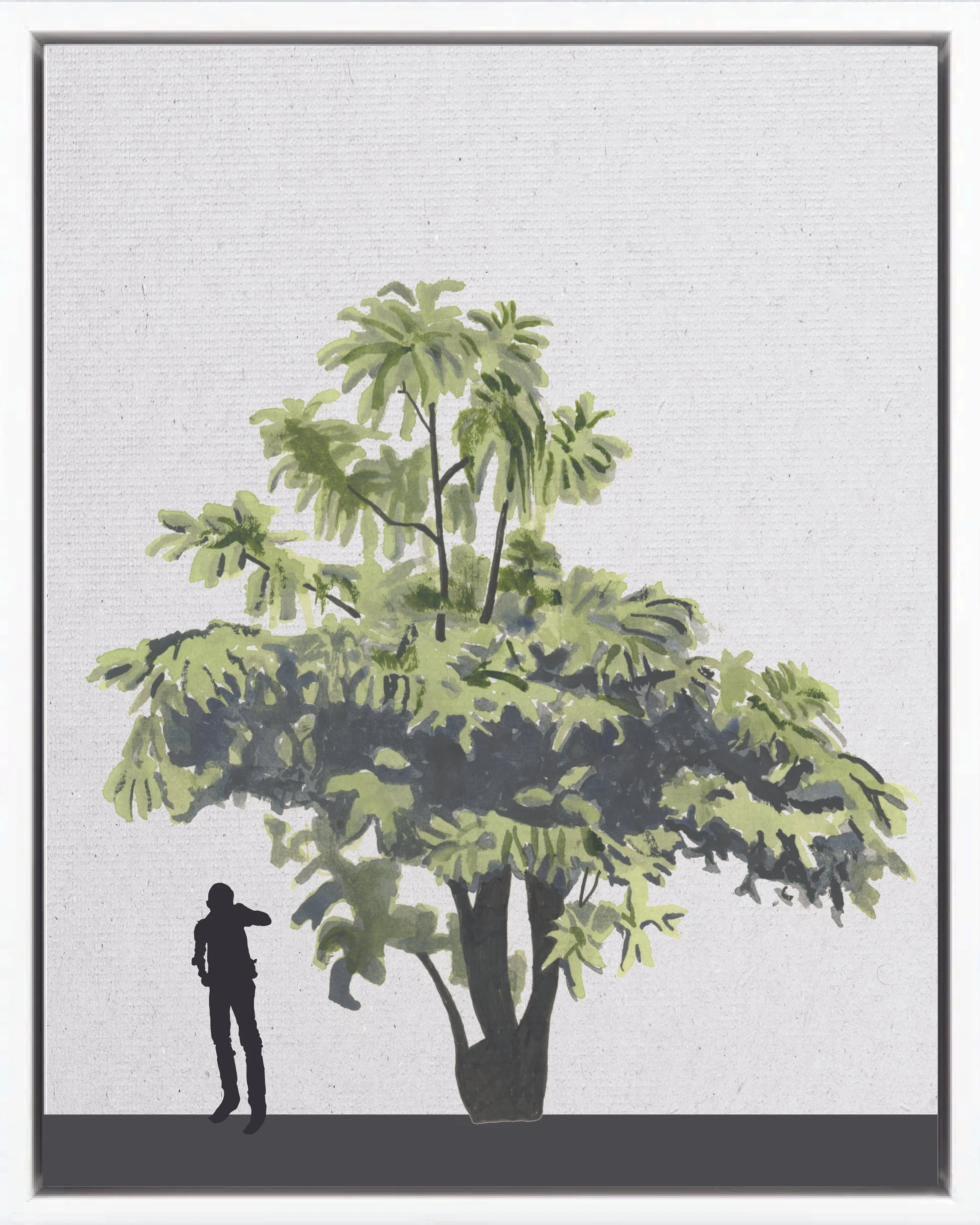
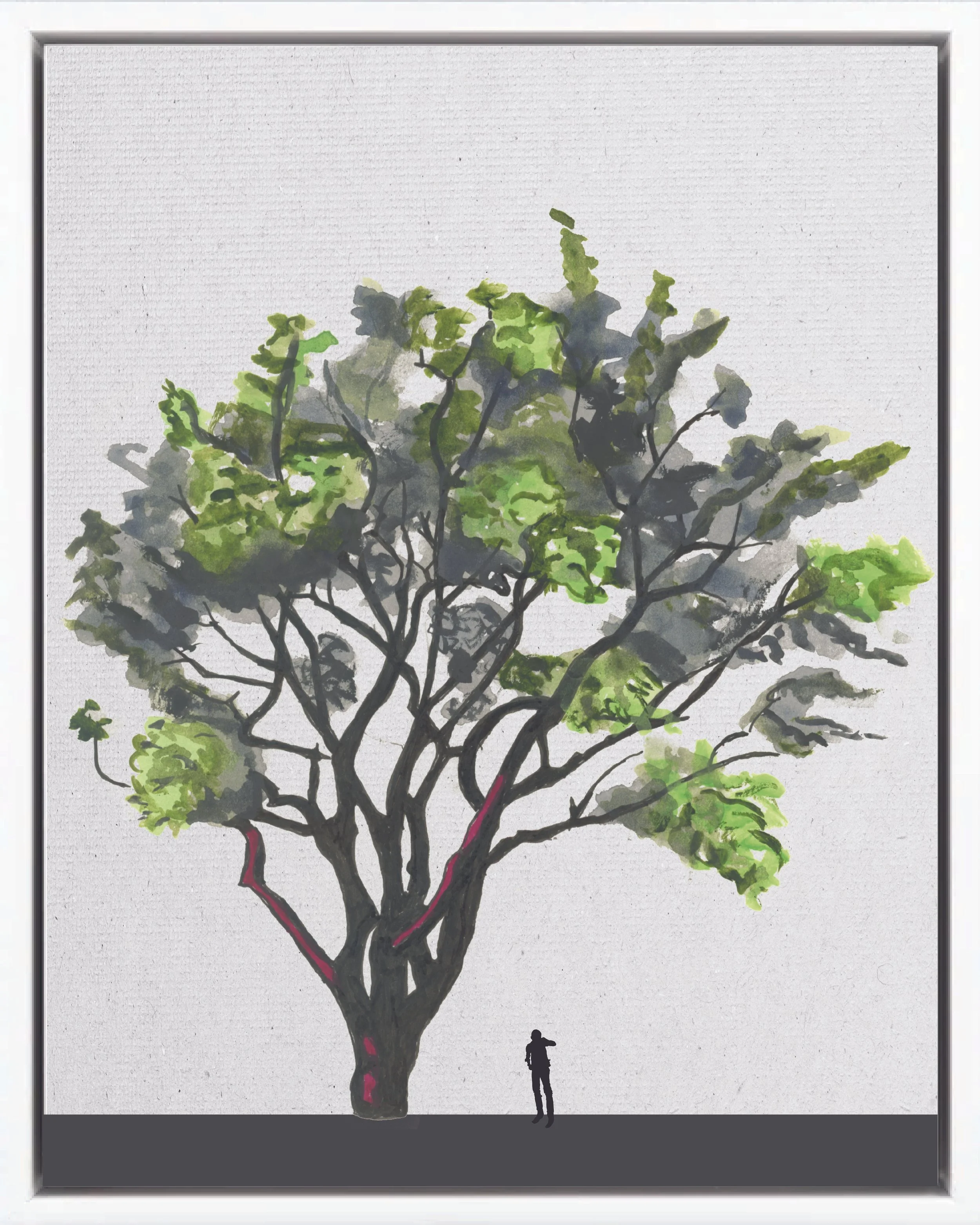
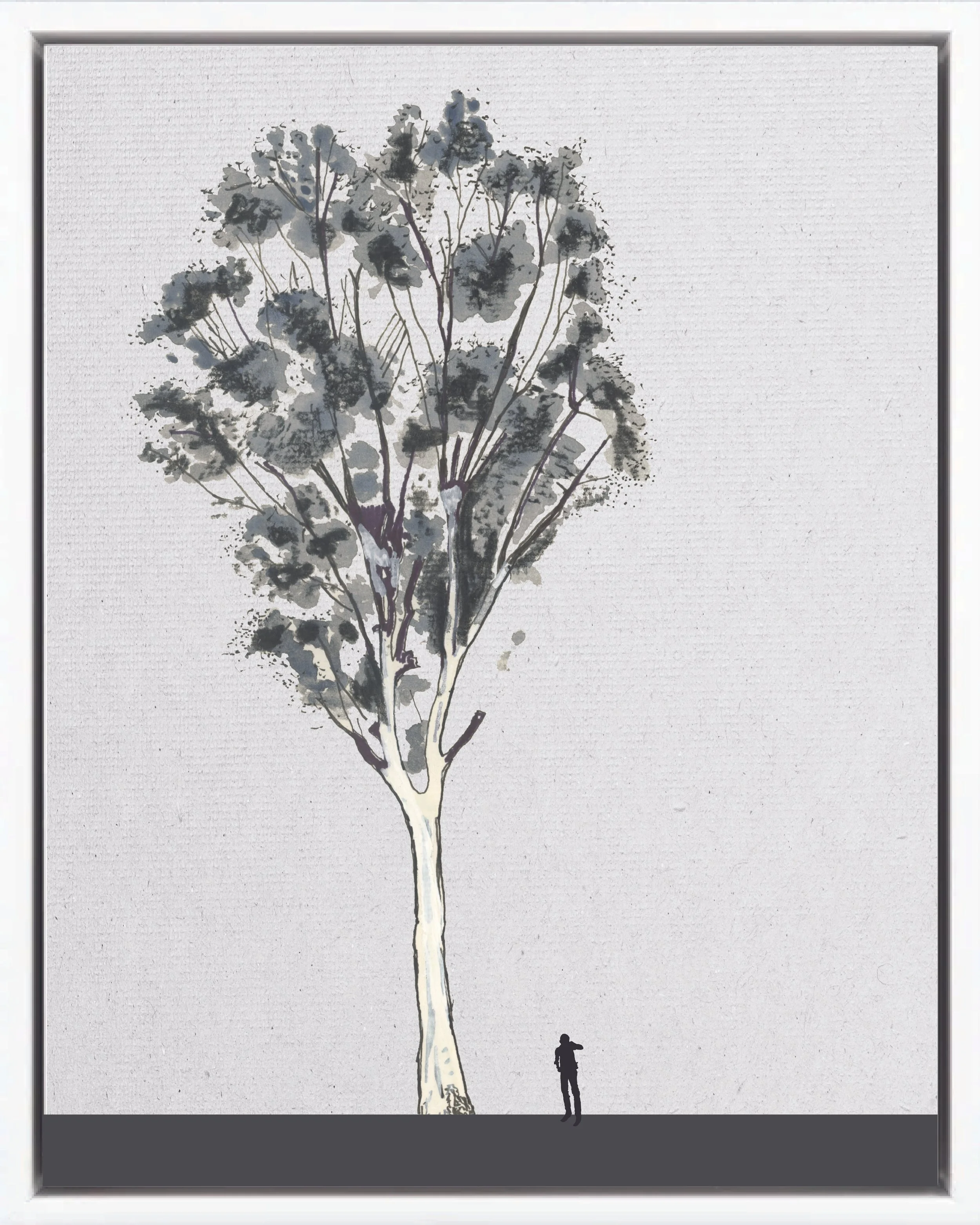
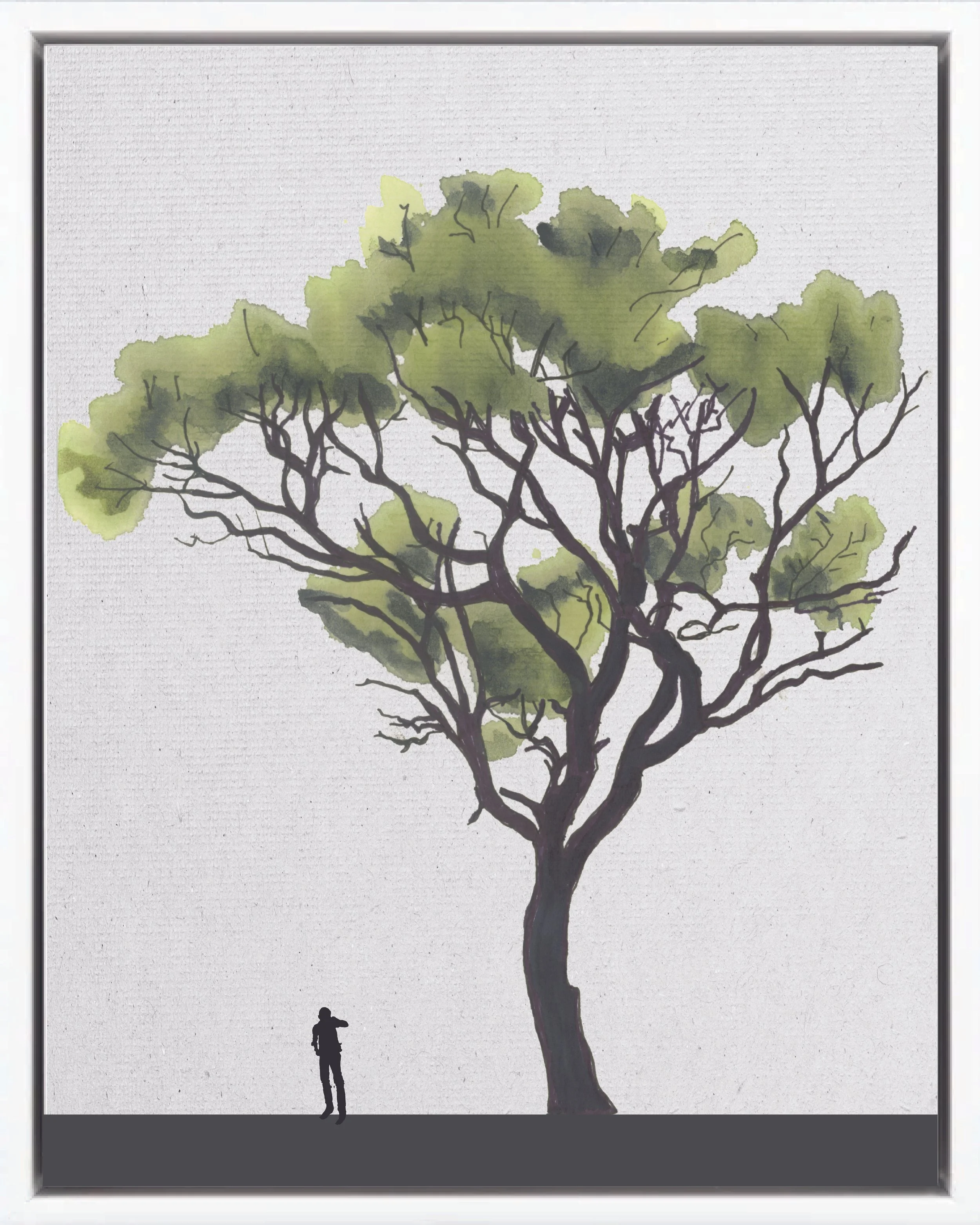
Nitrogen-Fixing Pioneers
-
![]()
Guachipelín
Diphysa americana
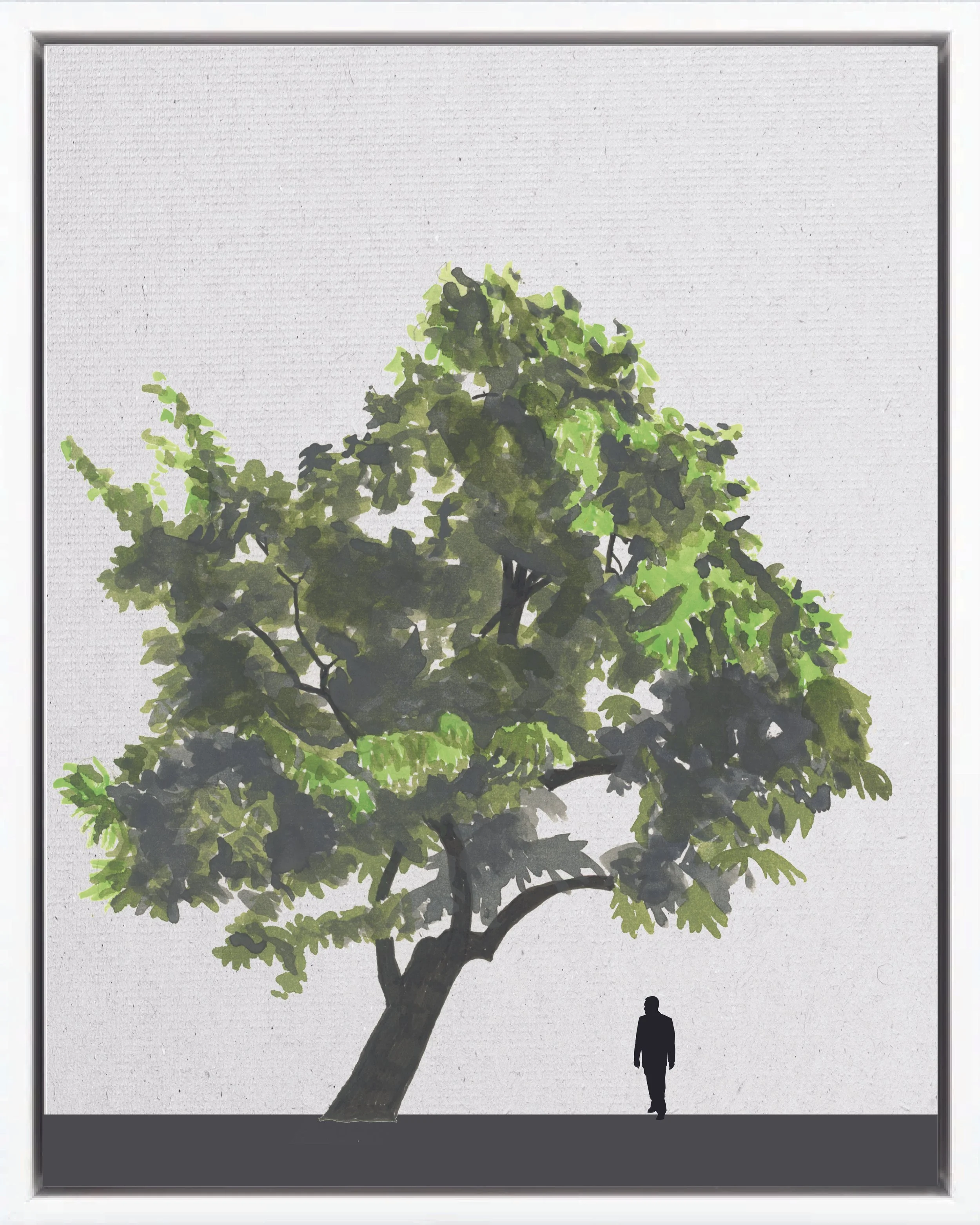
-
![]()
Guaba
Inga edulis
2. Secondary Species
Secondary species (early and late) form the bridge between pioneer cover and mature forest structure, growing more slowly and tolerating more shade than pioneers while still building toward a closed canopy. Early secondary trees remain fast and light-demanding, while late secondary species grow denser wood and greater shade tolerance as they persist into the transitional canopy.
Early Secondary
-
![]()
Chaperno
Lonchocarpus ferrugineus
-
![]()
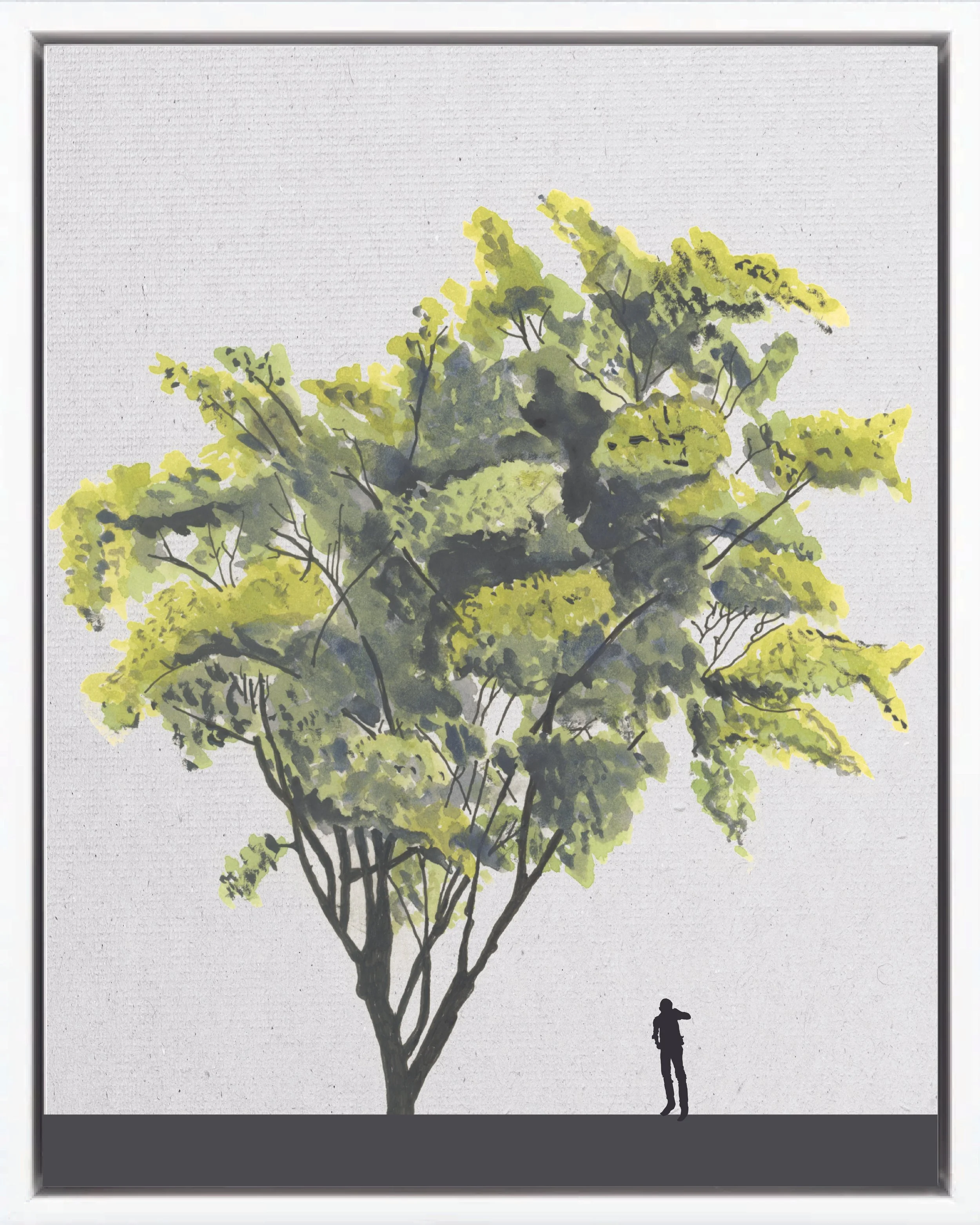
Poponjoche
Pachira aquatica
-
![]()
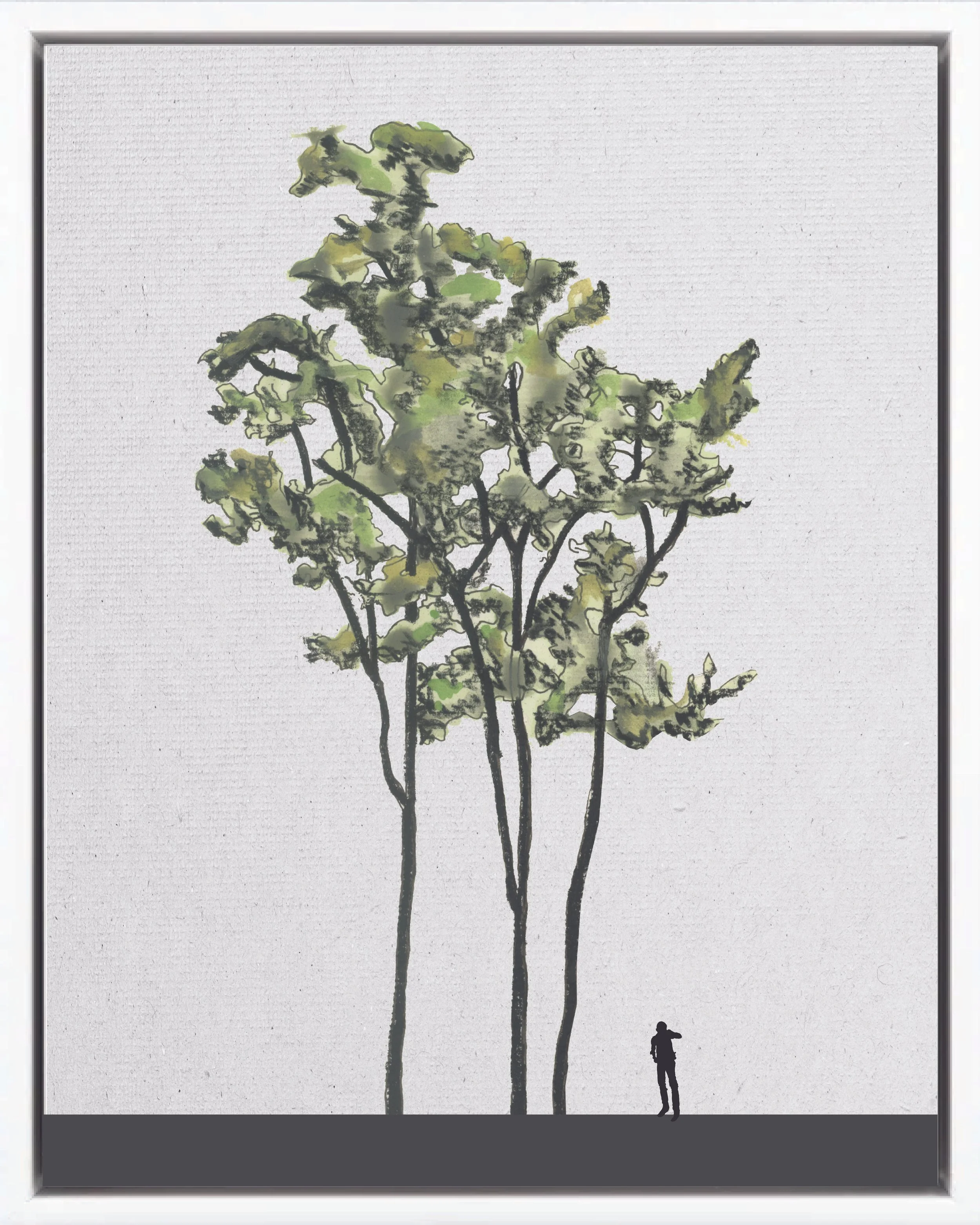
Sotacaballo
Zygia longifolia
-
![]()
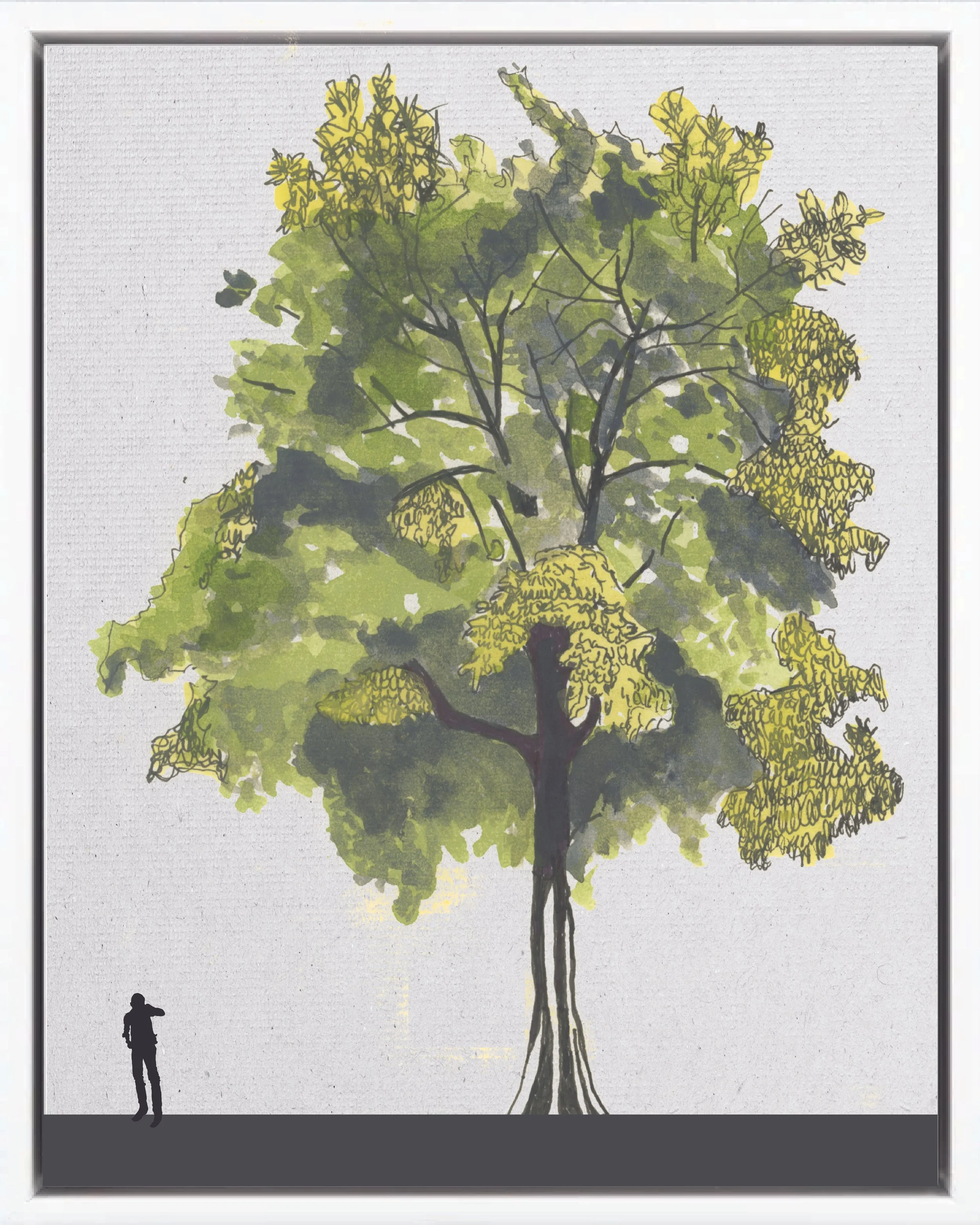
Laurel
Cordia alliodora
-
![]()
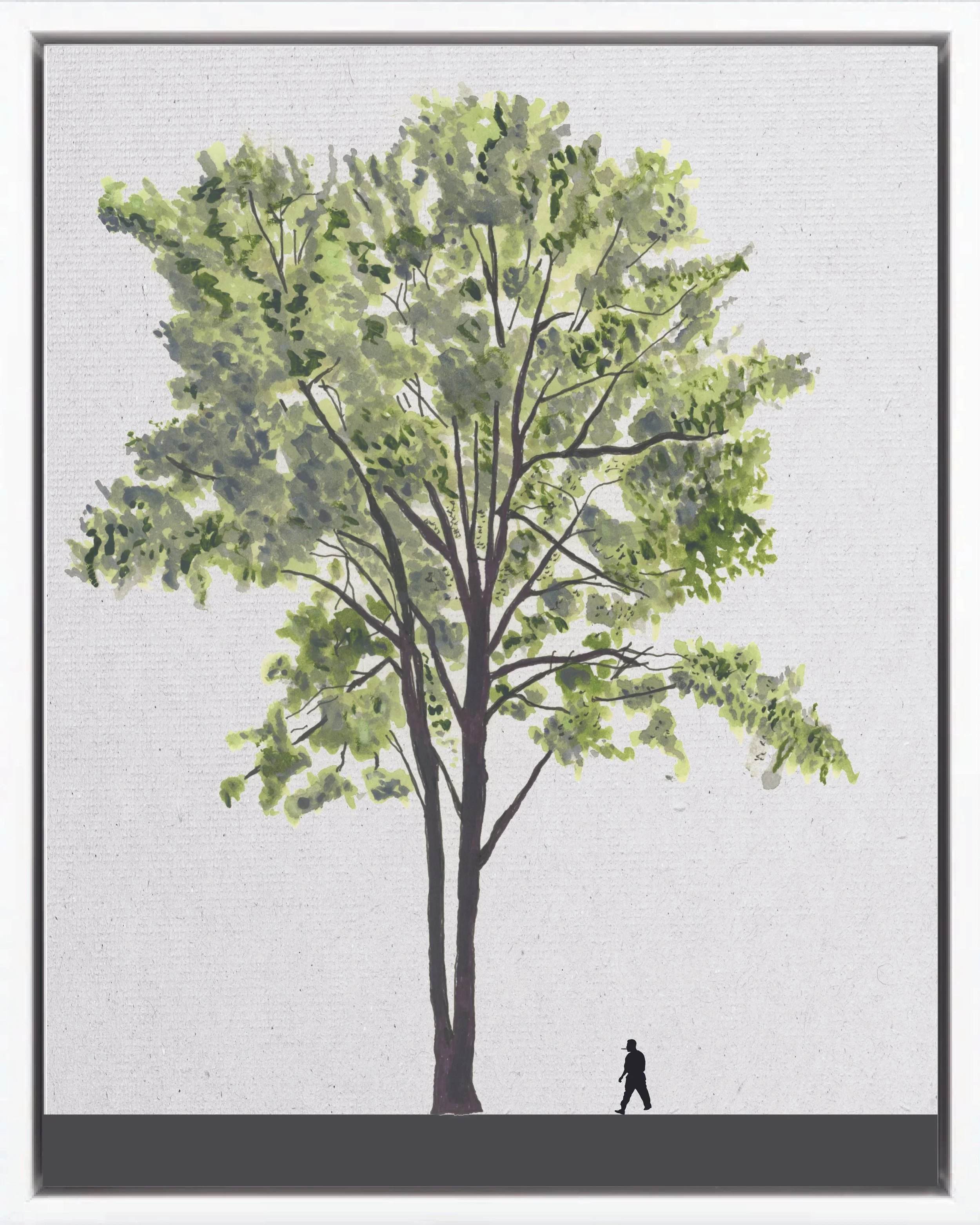
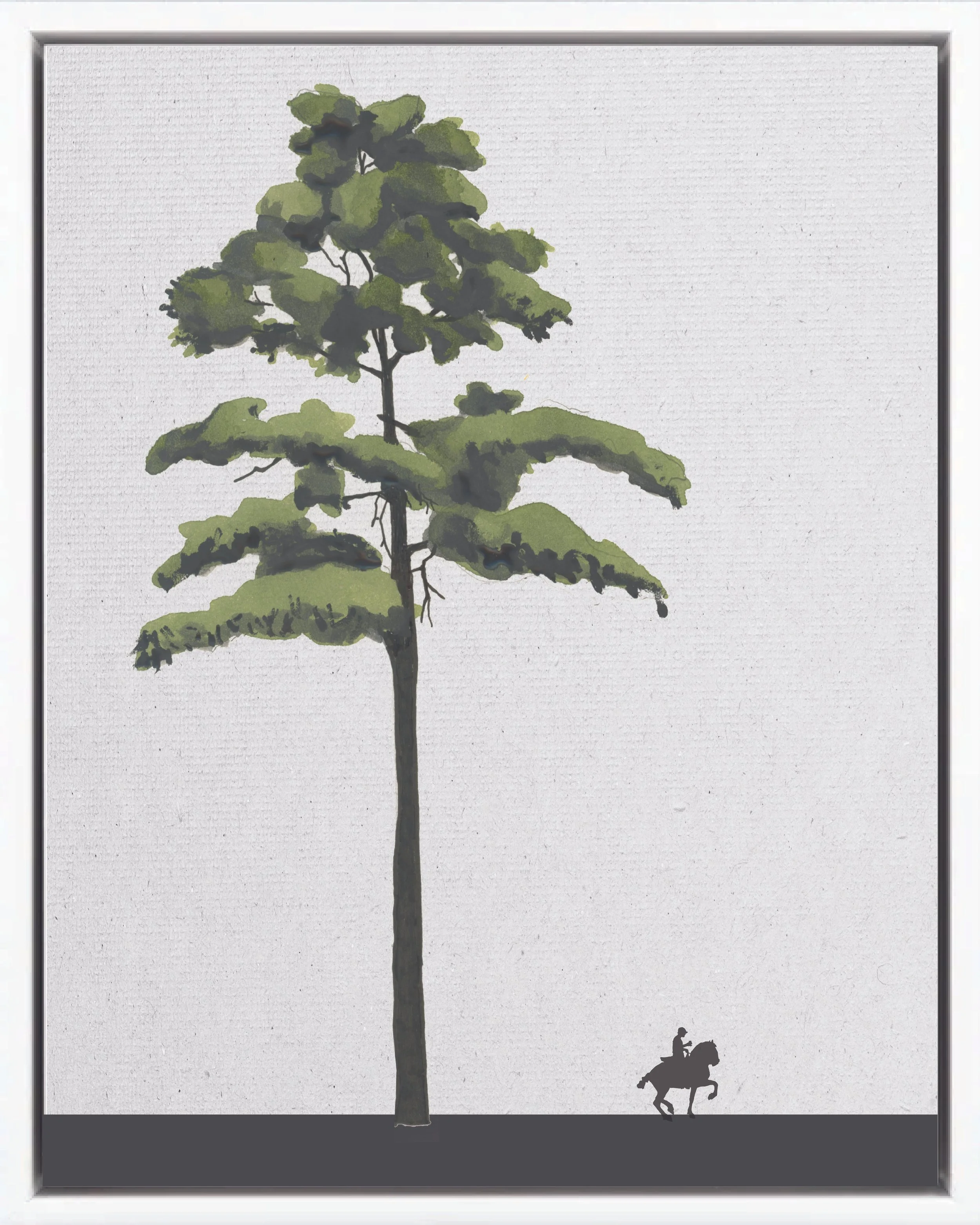
Cebo
Vochysia guatemalensis
Late Secondary
-
![]()
Cedro Amargo
Cedrela odorata
-
![]()
Cocobolo
Dalbergia retusa
-
![]()
Cortez Amarillo
Handroanthua ochraceus
-
![]()
Madroño
Calycophyllum candidissimum
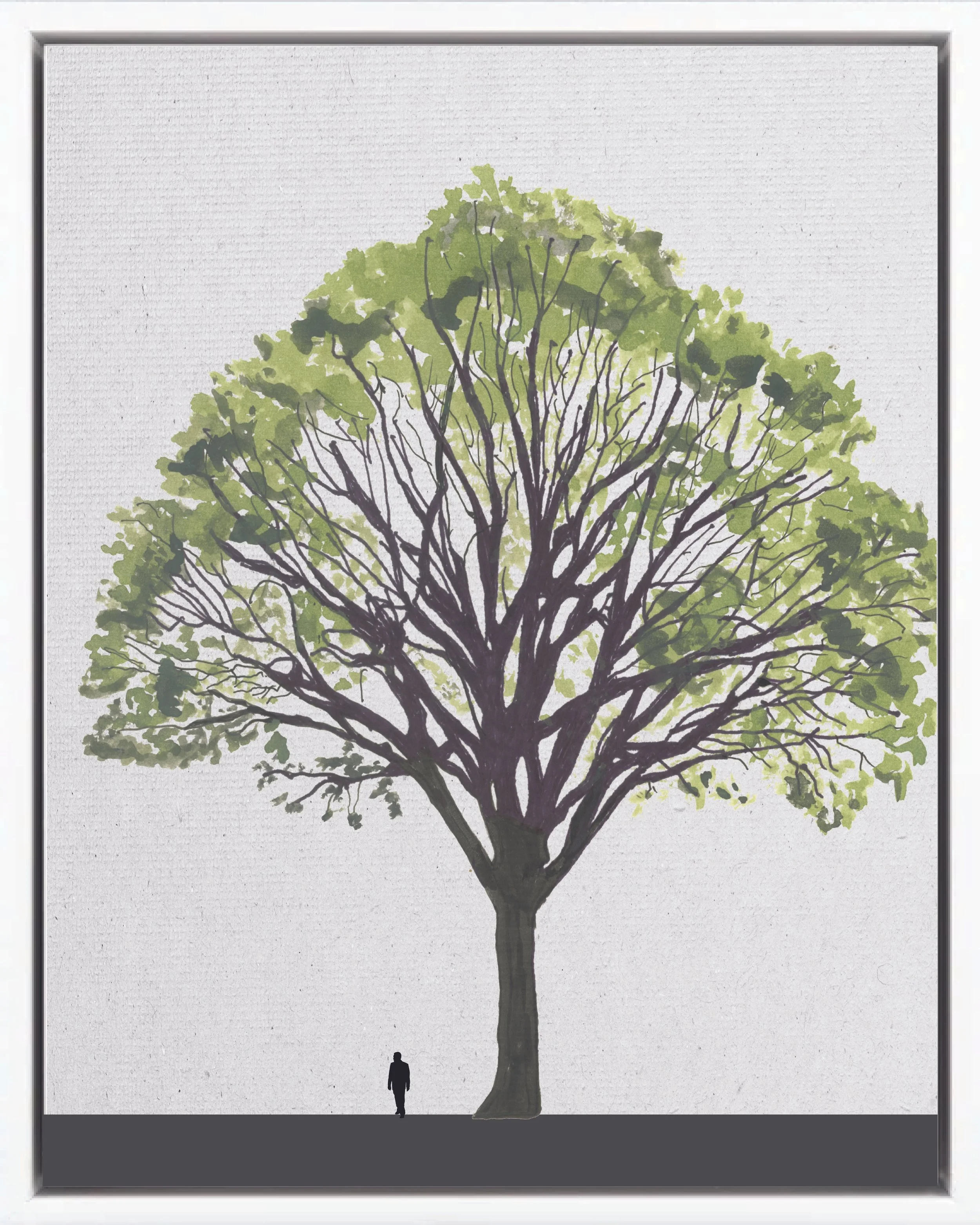
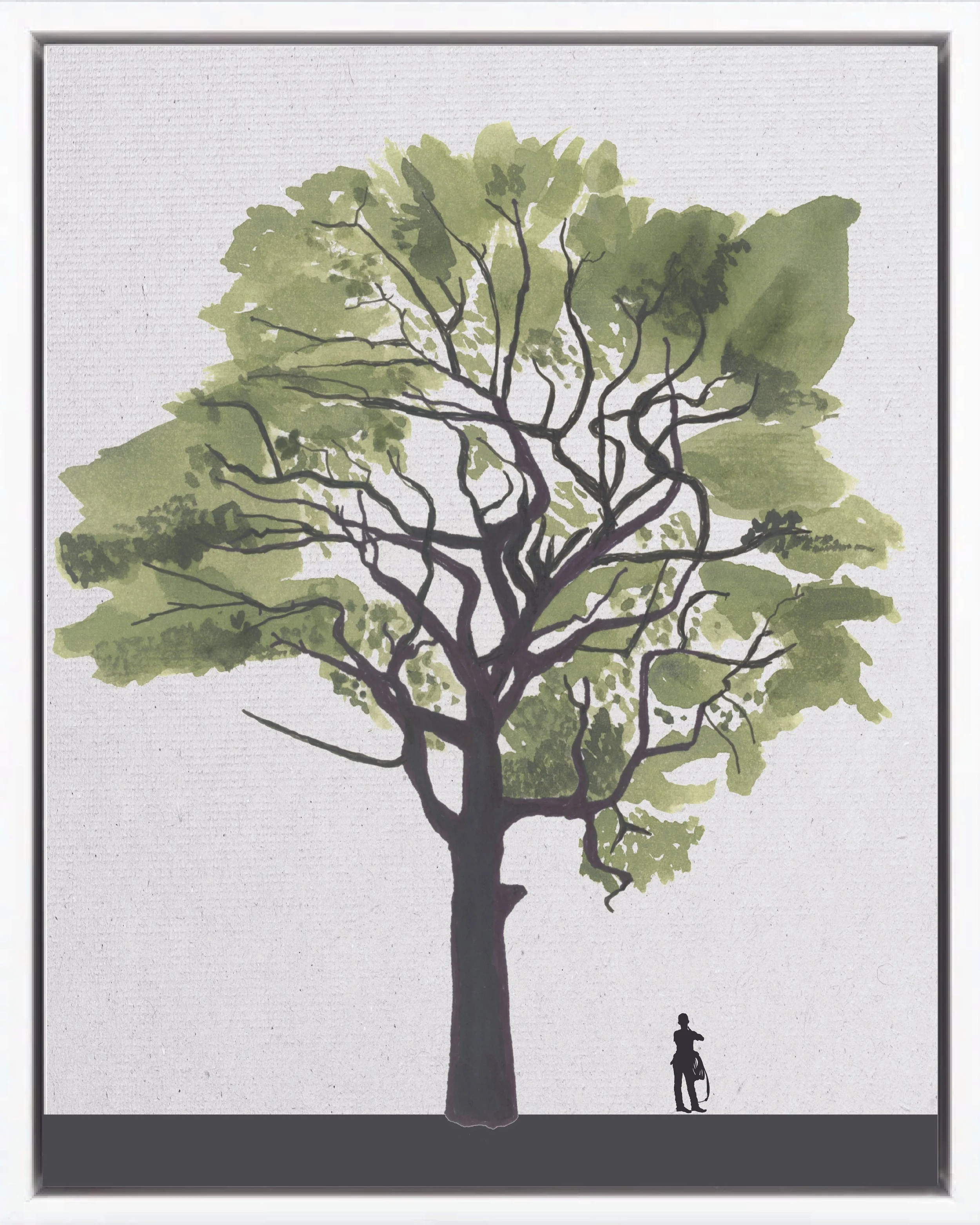
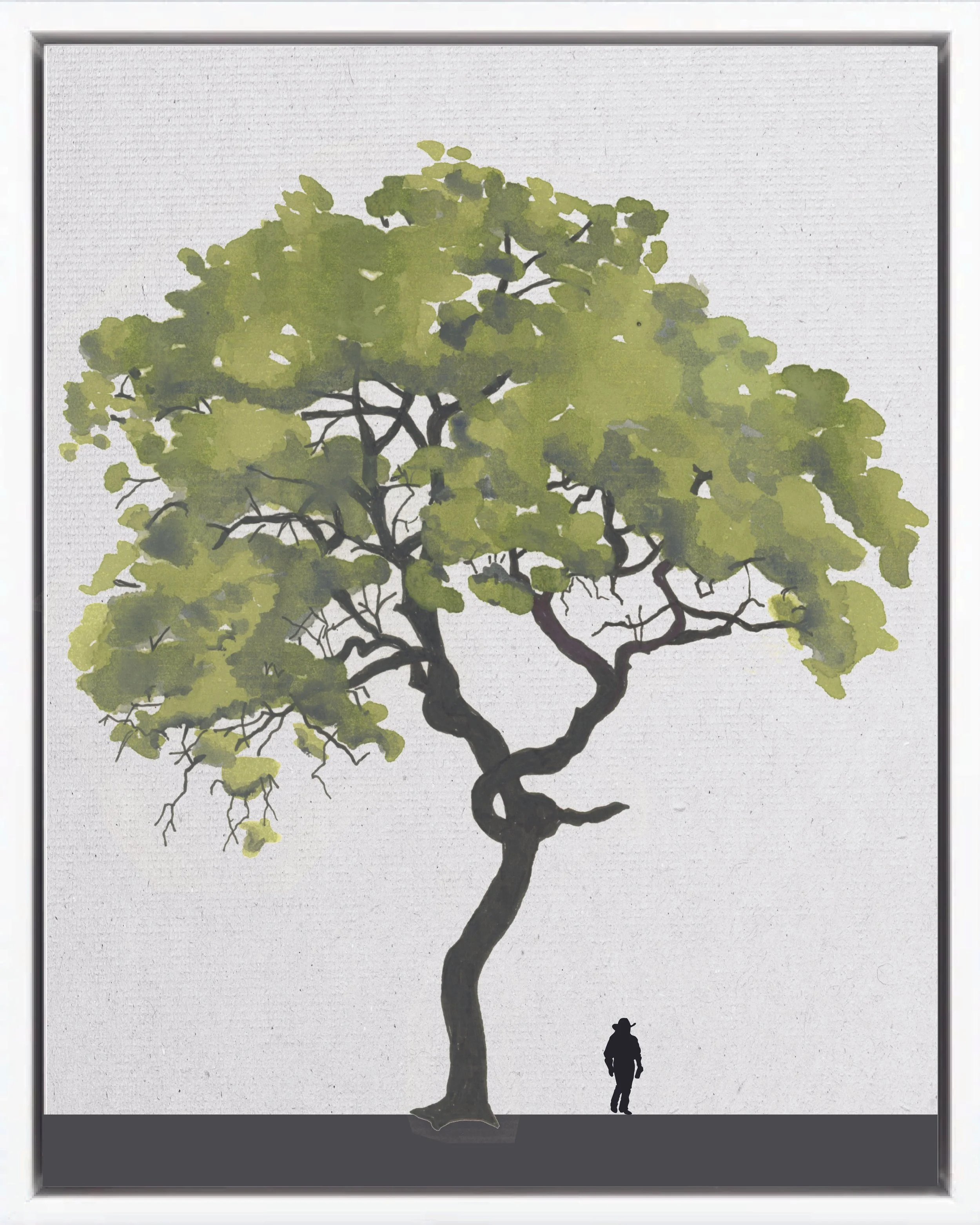
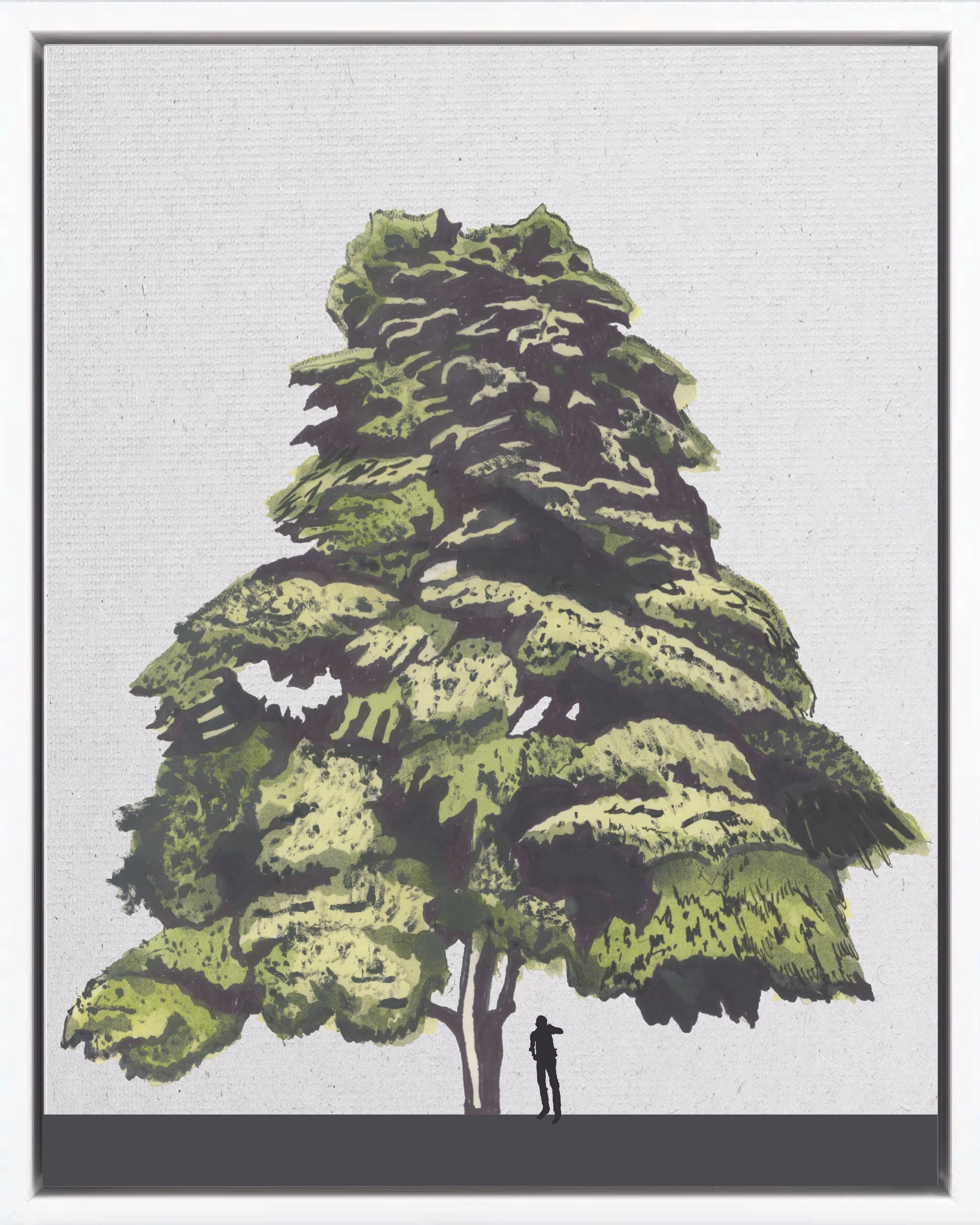
3. Climax Species
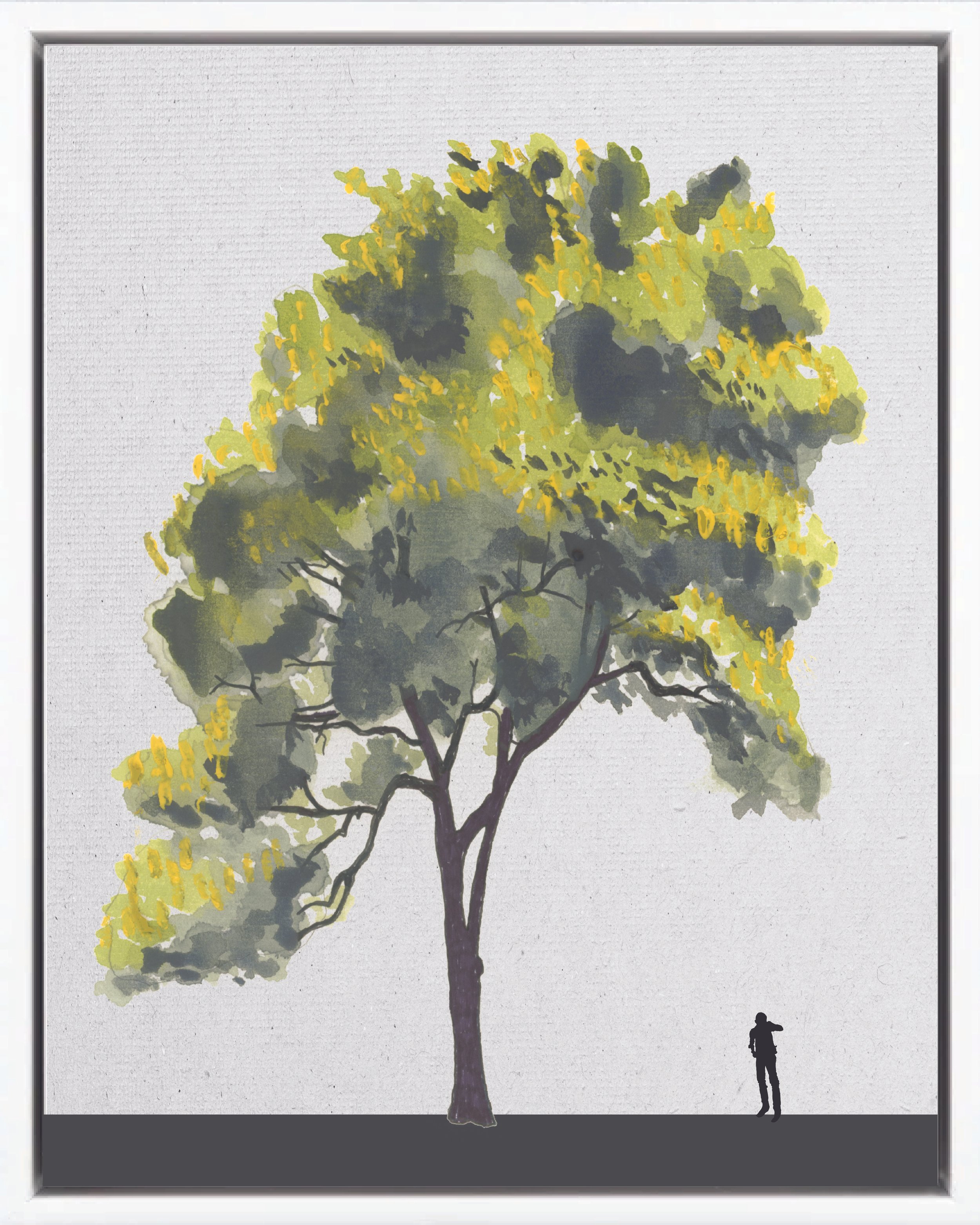
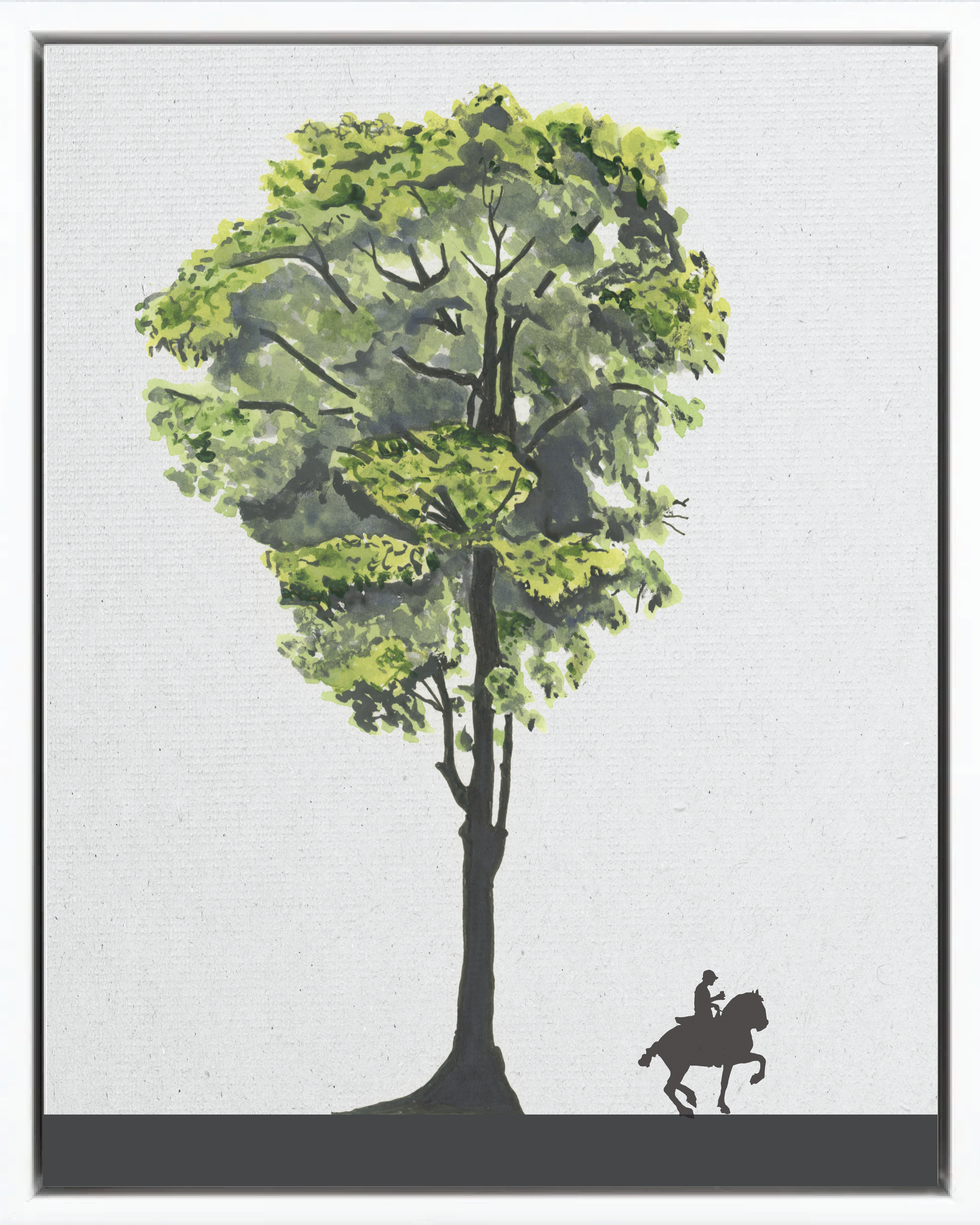
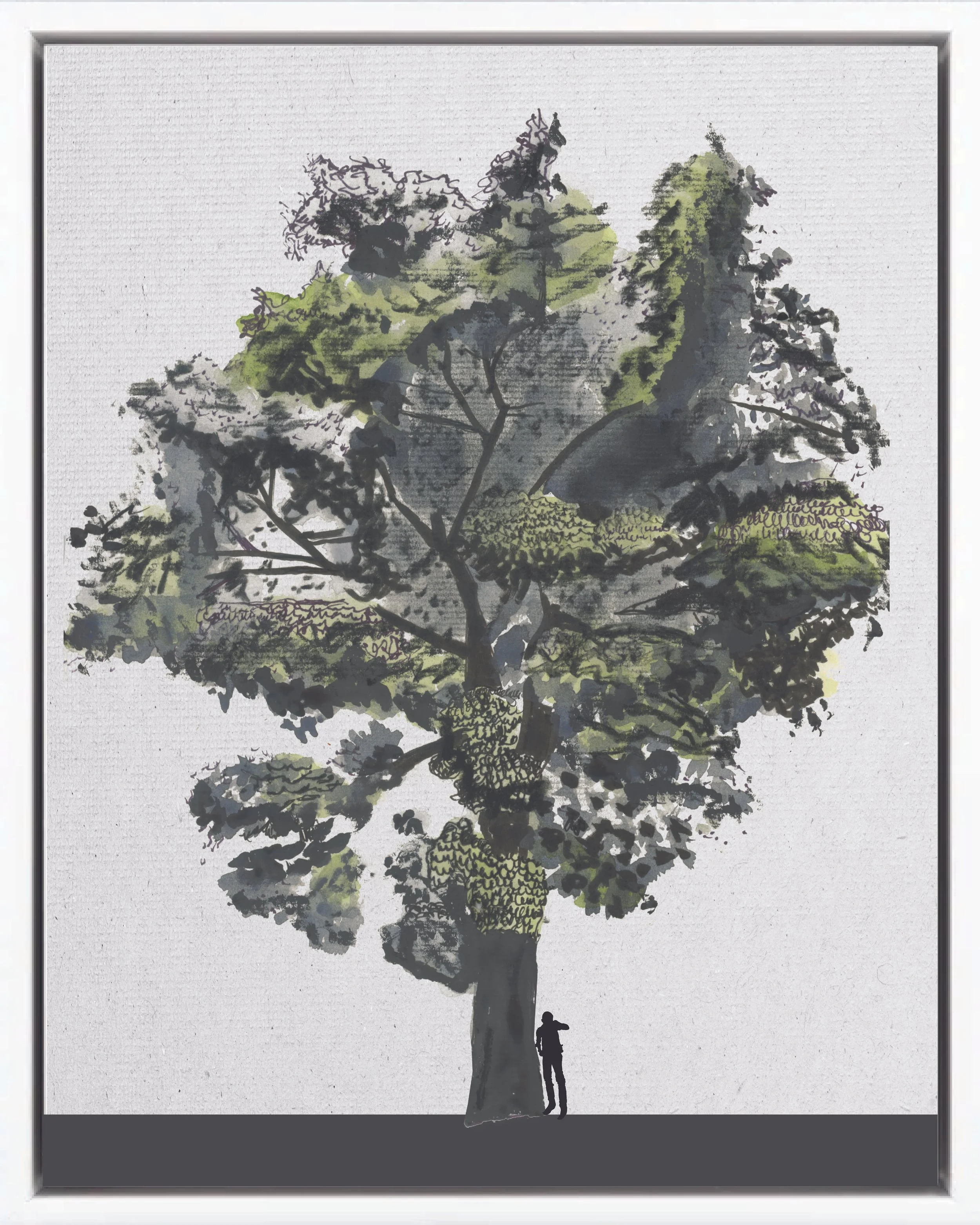
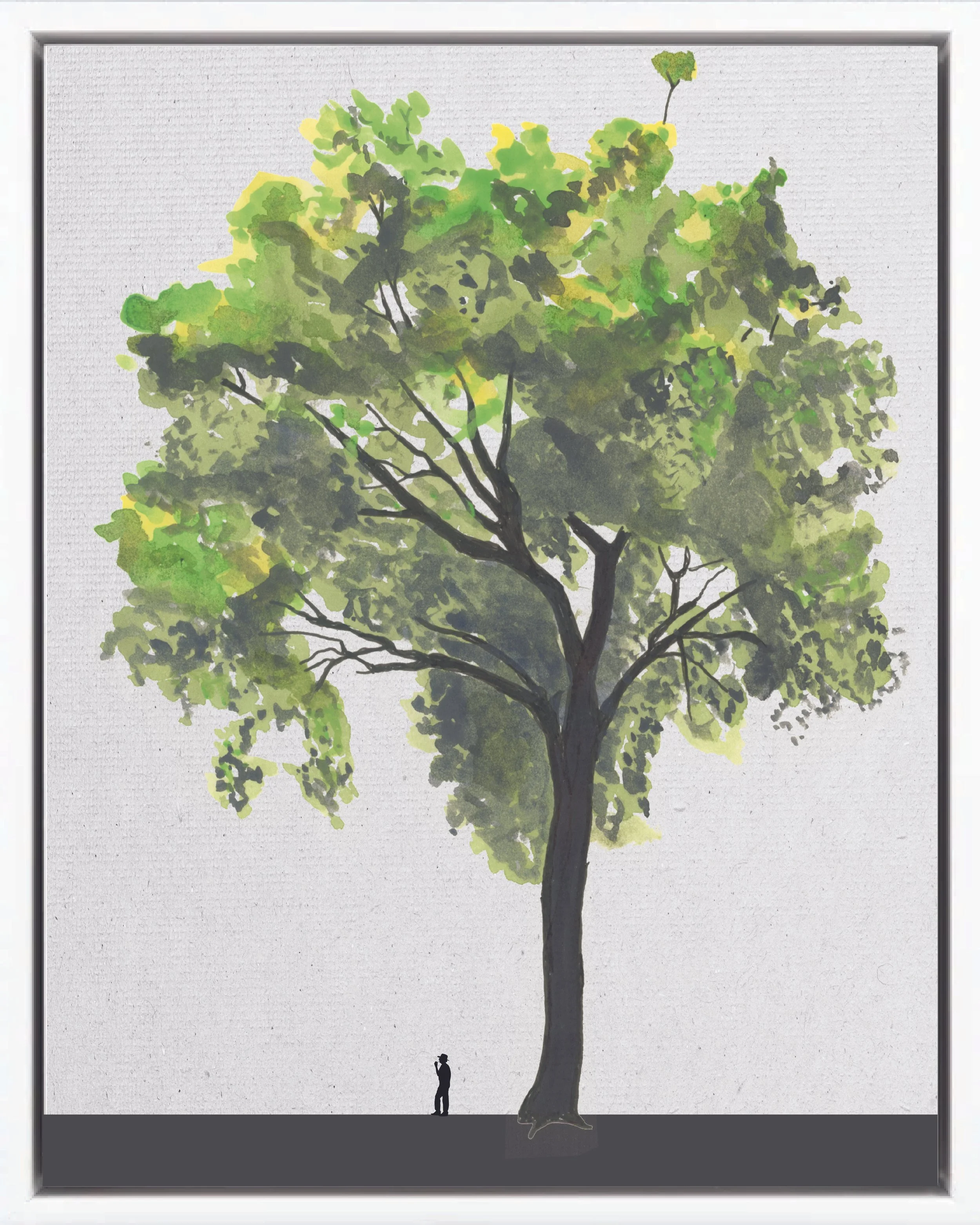
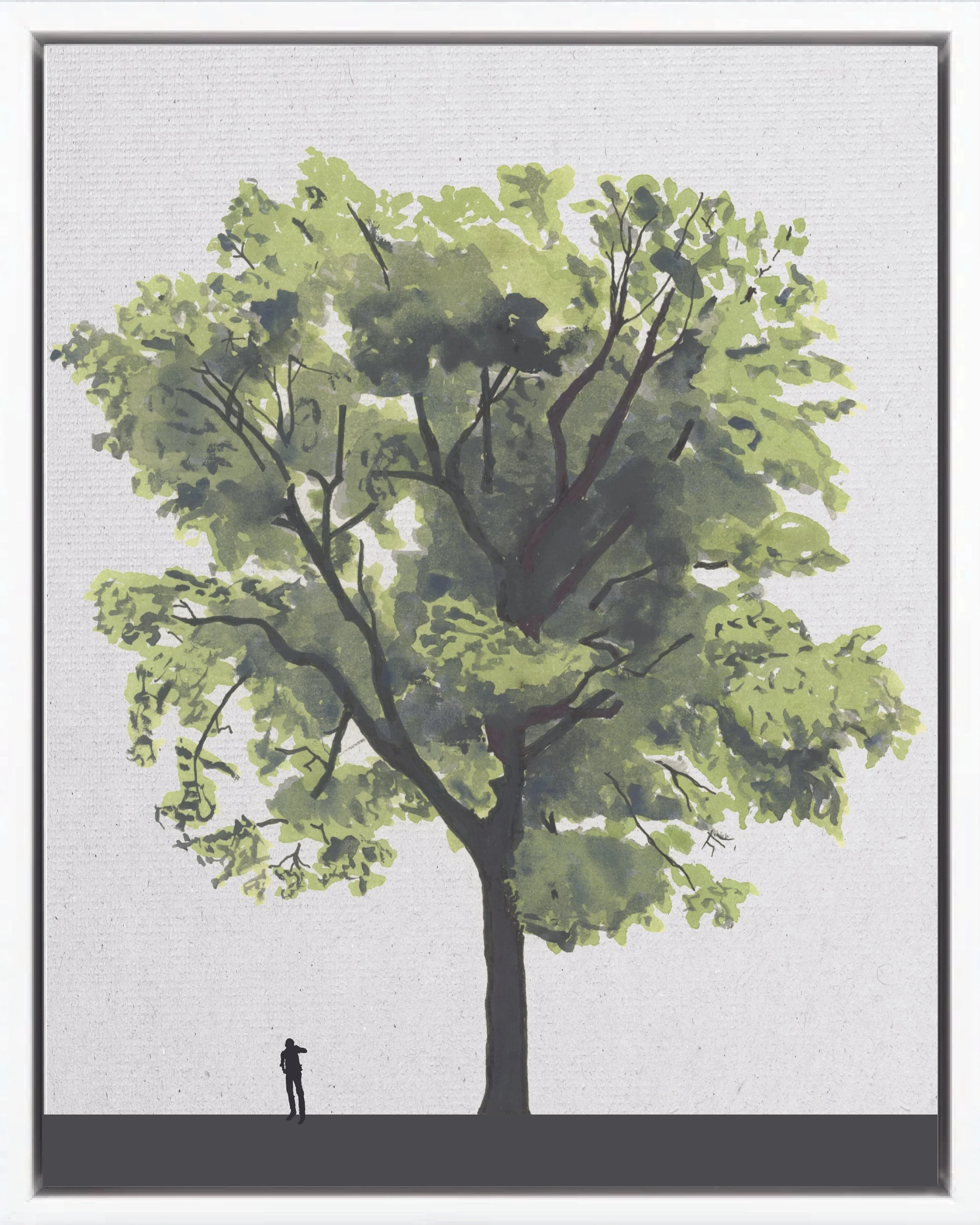
Climax species are the slow-growing, shade-tolerant hardwoods that ultimately define the forest's mature structure, capable of germinating and persisting even in low light beneath an existing canopy. At Rancho Garza this single guild spans canopy, emergent, and understory positions — from towering emergents like Ceiba and Almendro amarillo down to shade-adapted understory trees like Aguacatillo and Cirrí colorado.
Climax Canopy
-
![]()
Higuerón
Ficus inspida
-
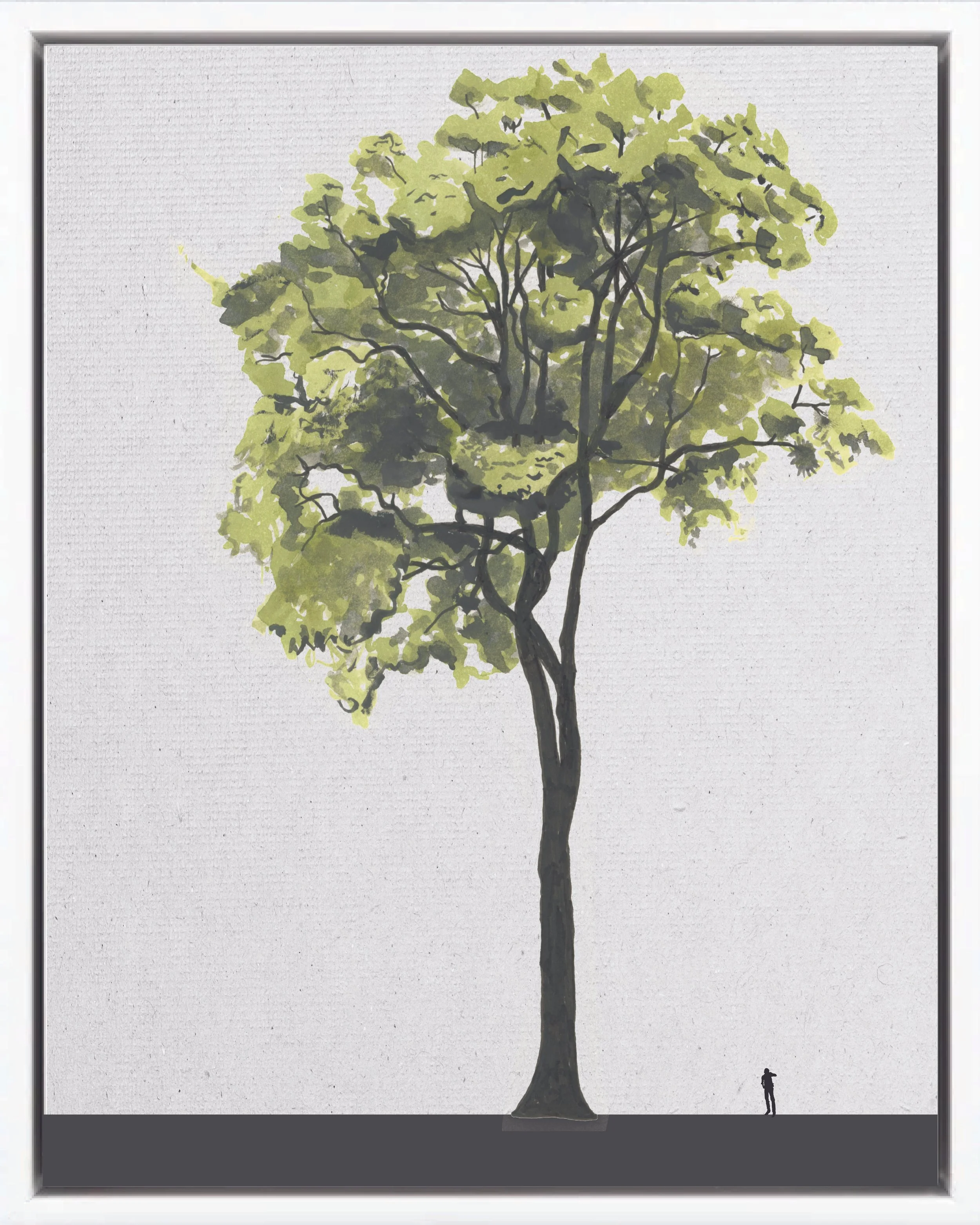
![Hand drawn tree study of Almendro de Rio (cabbage angelin) as a climax neotropical reforestation species]()
Almendro de Rio
Andira inermis
-
![]()
Caoba
Swietenia macrophylla
-
![]()
Nispero
Pouteria spp.
-
![]()
Ojoche
Brosimum alicastrum
-
![]()
Pilón
Heyeronima alchorneoides
-
![]()
Fruta Dorada
Virola koschnyi
-
![]()
Ron Ron
Astronium graveolens
-
![]()
Espavel
Anacardium excelsum
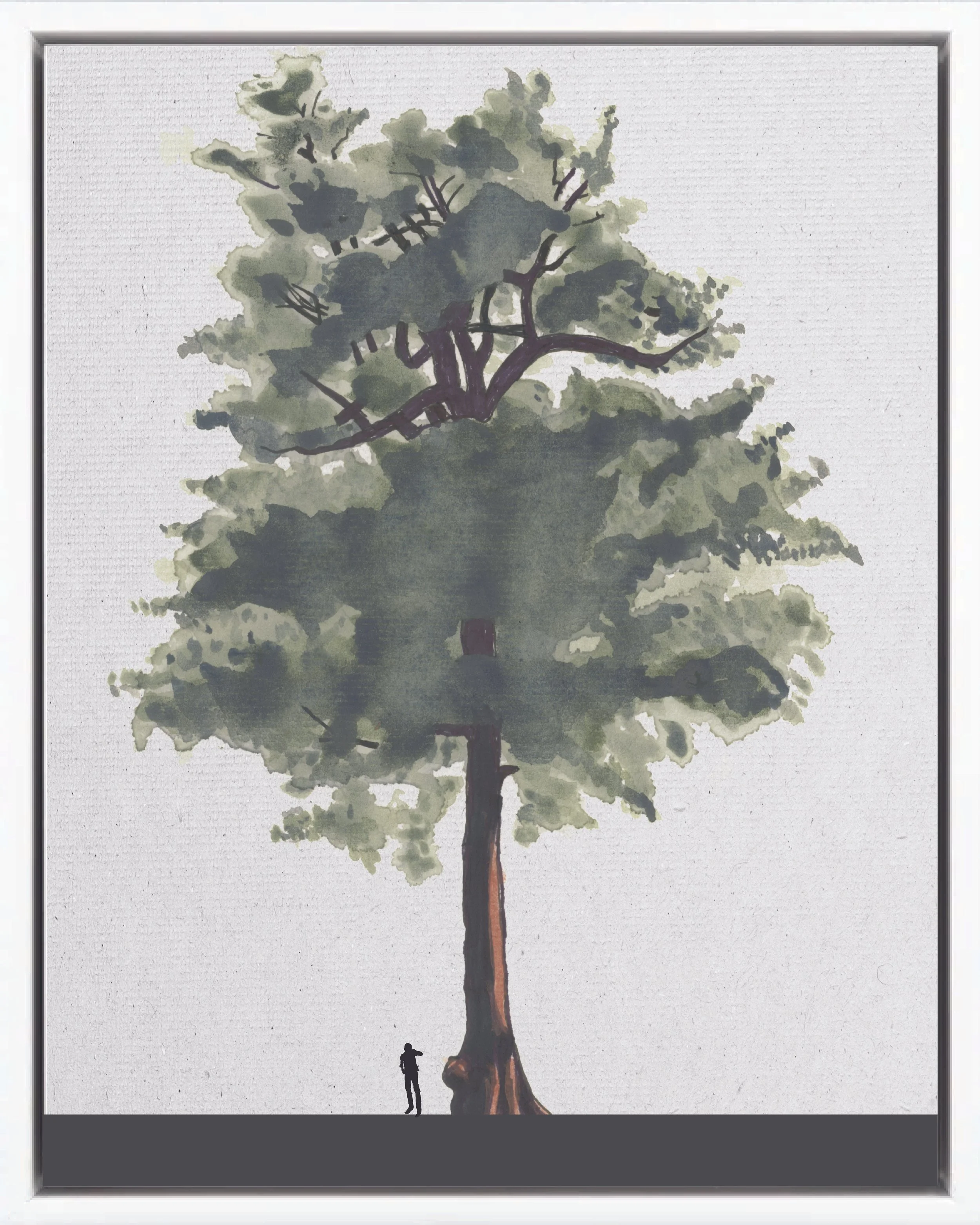
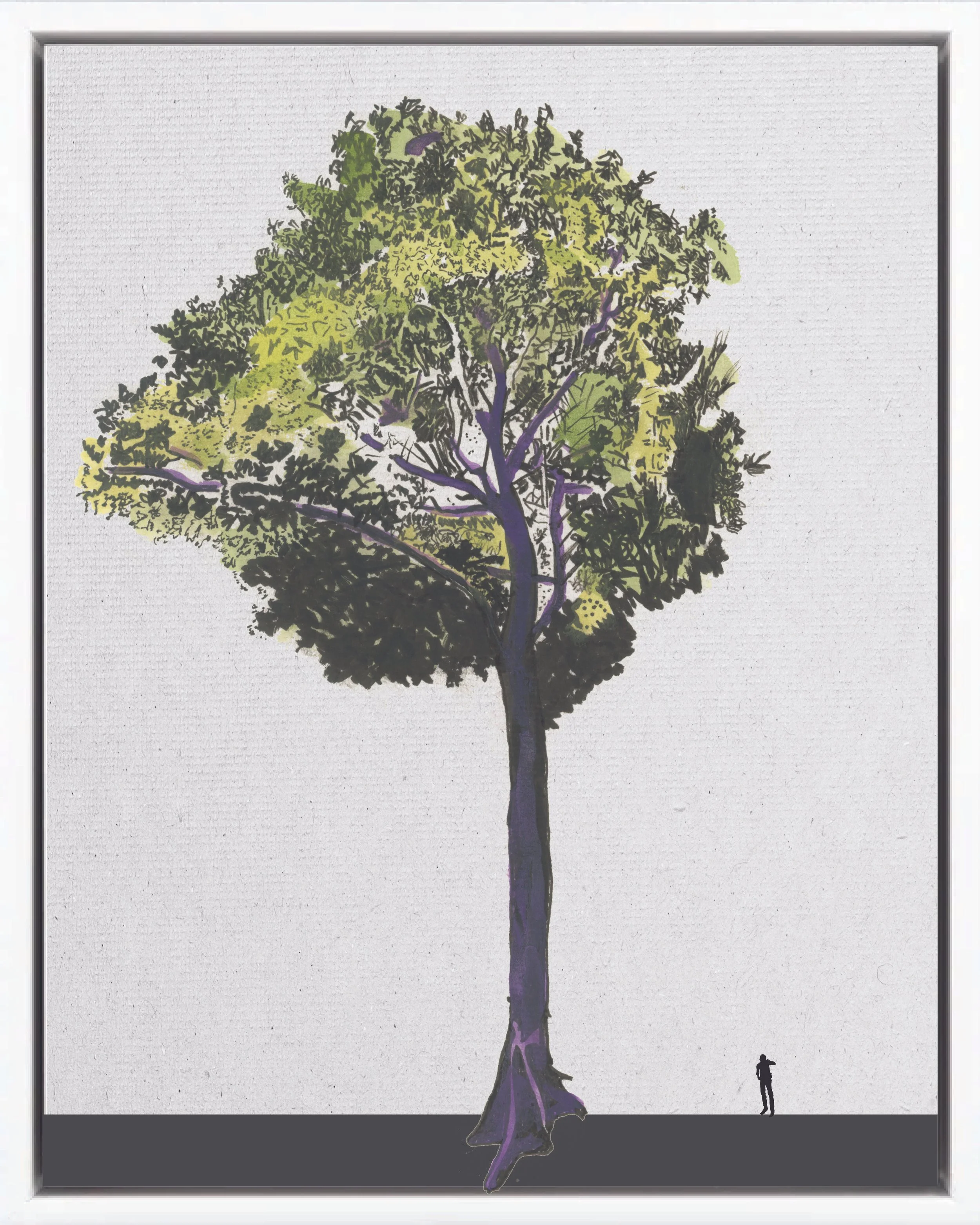

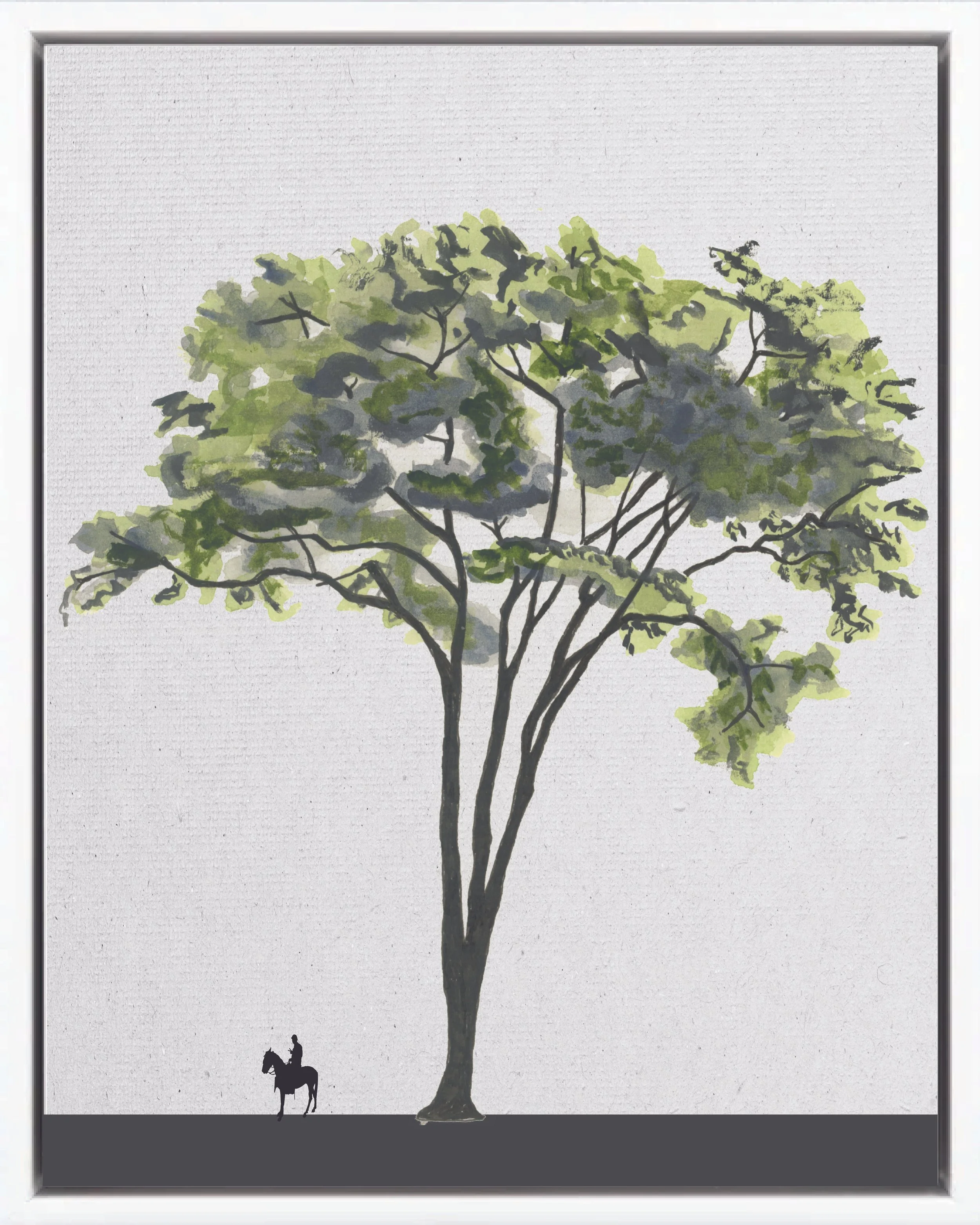
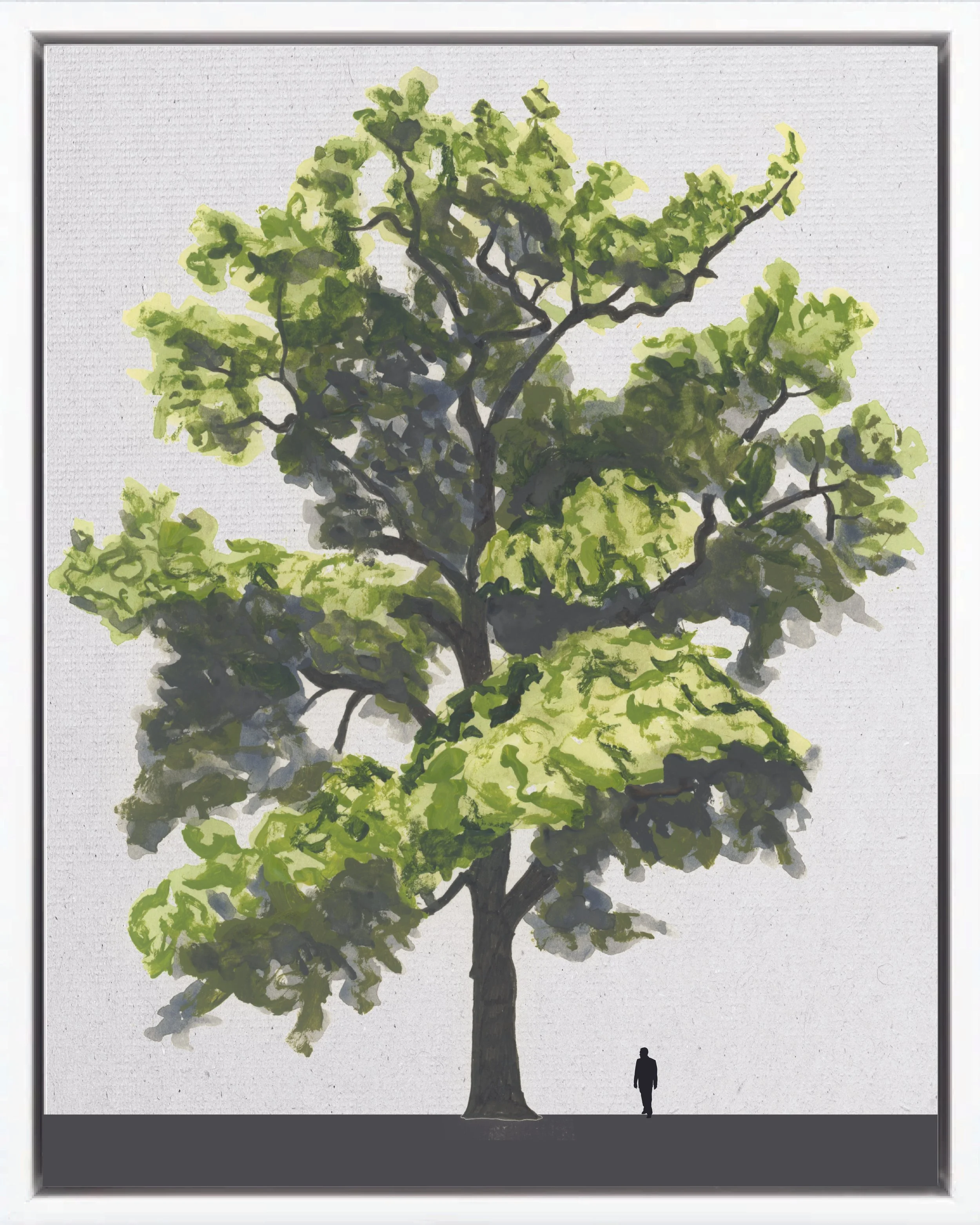
Climax Emergent
-
![]()
Cortez Negro
Handroanthus impetiginosus
-
![]()
Almendro Amarillo
Dipteryx panamensis
-
![]()
Ceiba
Ceiba pentandra
-
![]()
Cenízaro
Samanea saman
-
![]()
Guanacaste
Enterolobium cyclocarpum
-
![]()
Sura
Terminalia oblonga
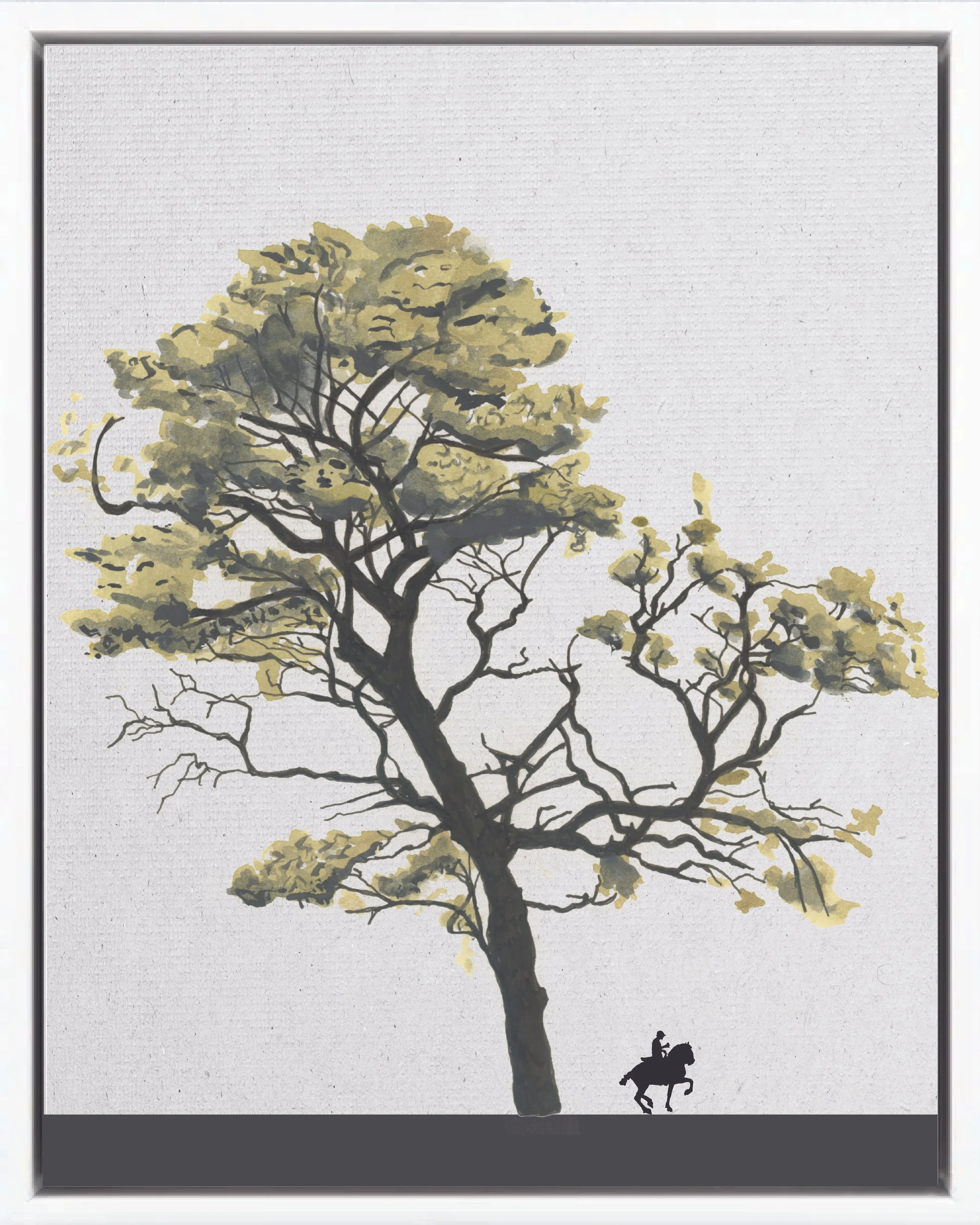
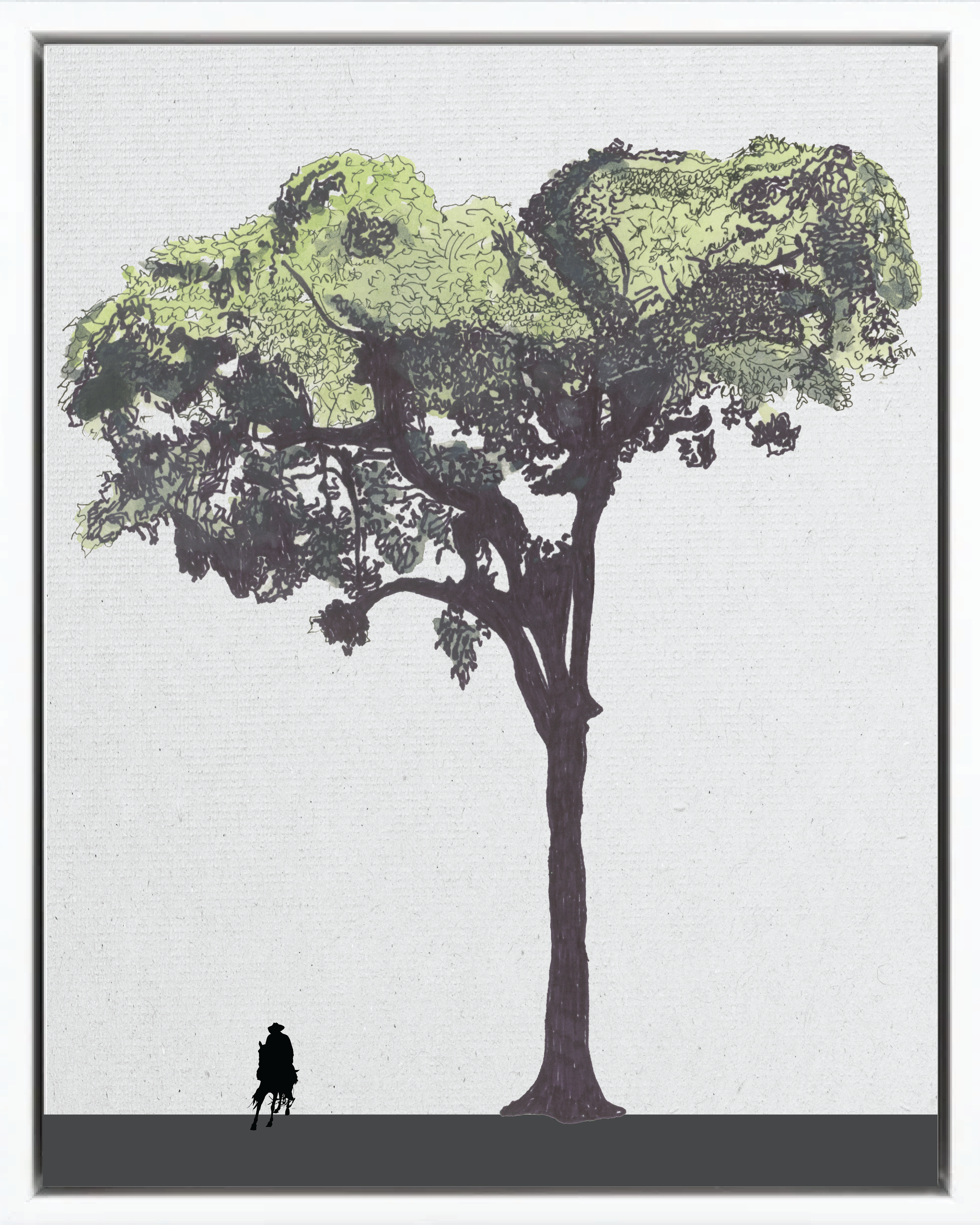

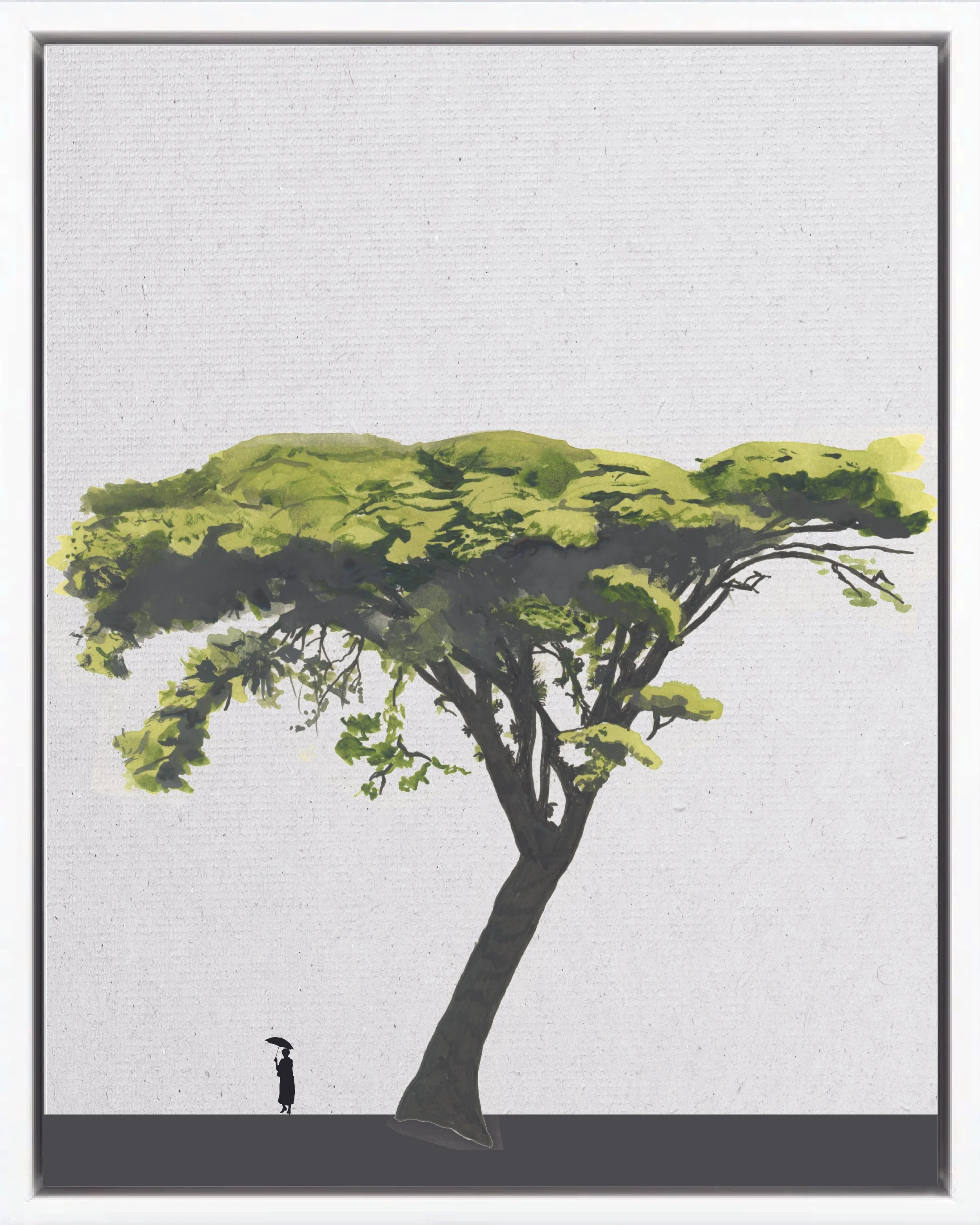
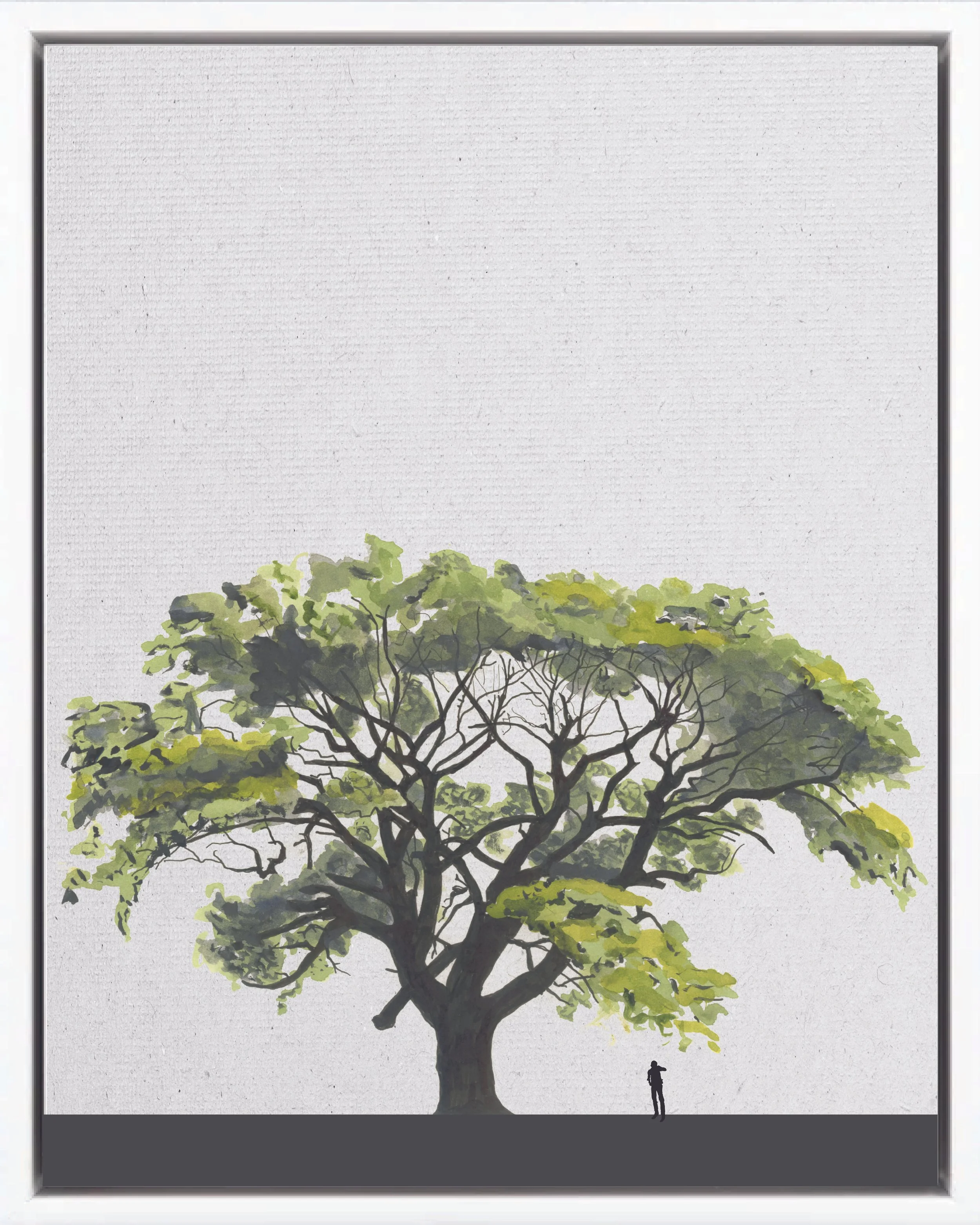
Understory
-
![]()
Cirri Colorado
Mauria heterophylla
-
![]()
Aguacatillo
Ocotea/ Nectandra spp.